Gym lighting: bright but glare-free
Gym lighting has to be powerful and still easy on the eyes of someone training on their back. Here are the core principles for fitness and sports halls.
A gym places very different demands on lighting than an office or a shop. People move fast, track a ball in the air, look straight up while lifting and train lying on the floor. Weak light raises the risk of injury; strong light in the wrong place dazzles. The aim is to avoid both.
Define the type of hall
Many different spaces are called a gym:
- weights and machine area — ceilings of low to medium height, people often lying on benches;
- group class studio — aerobics, yoga, Pilates, dance; the lighting mode needs to change;
- sports hall — basketball, volleyball, futsal; high ceilings and balls that can hit fittings;
- martial arts and gymnastics hall — mats and a lot of movement at floor level.
Each calls for different fittings, output and placement. In Europe, lighting for sports facilities is covered by EN 12193, where requirements vary with the sport and the level of competition; the gap between recreational training and televised events is large.
Ceiling height and high-power sources
In halls with high ceilings, the distance from light source to floor is large, and household lamps are not enough. High-power lamps or fittings designed for the job are needed. When choosing, look beyond wattage to luminous flux (lumens) and how the fitting distributes light: a narrow-beam source leaves bright pools on the floor with dark stripes in between.
Uniformity is especially important in a sports hall. When a ball passes from a bright zone into a darker one, the eye has no time to adapt and the player loses sight of it for a moment. Fittings should be spaced closely and evenly, with corners and walls lit as well.
Glare for people training lying down
An athlete pressing a bar on a bench looks straight at the ceiling. If a bright, bare fitting sits directly above the bench, it dazzles them at the hardest point of the lift. The same happens on yoga and Pilates mats and to anyone doing floor work.
The fixes are simple:
- plan the equipment layout together with the lighting layout and place benches between fittings;
- choose diffused, low-luminance fittings;
- where possible, use indirect light bounced off the ceiling.
Ball sports: protection and flicker
In volleyball and basketball halls the ball regularly reaches the ceiling. Fittings need a protective grille or impact-resistant housing; a shattered diffuser or a falling part is a serious hazard.
Flicker becomes more noticeable with fast movement. A ripple that is invisible while sitting still can show up as a stroboscopic effect on a flying ball, which seems to move in steps. Sources with good-quality drivers and a sound electrical installation reduce that risk. If sessions are filmed, flicker can also appear on camera as rolling bands.
Mirrors, studios and changing rooms
Large gym mirrors reflect light. When fittings run in rows parallel to the mirror rather than facing it, people watching their form do not get a lamp's glare in their eyes.
Group studios benefit from several modes: full light for intense cardio, and dimmer, warmer light for yoga and stretching. That needs a dimmer or separate lighting groups, and only lamps suitable for dimming should go on a dimmer circuit.
Changing rooms and showers are humid. They need enclosed fittings with a protection rating suited to moisture, plus light that falls on the face from the front at the mirrors.
In the cardio area, treadmills and bikes have their own displays, and televisions often hang in front of them. A fitting behind or directly above a screen makes its readouts unreadable through glare. Machines lined up facing a window catch daylight during the day and city lights at night, so blinds help in that zone.
In terms of energy, a gym is open long hours but its zones are not all busy at once. Being able to switch off an empty sports court or studio separately in the early morning and late evening, and using motion sensors in corridors and changing rooms, noticeably reduces consumption.
Quick check
- Does a fitting shine straight into the eyes of someone lying on a bench?
- Is light even in the corners and along the walls?
- Are fittings that a ball could hit protected?
- Does the light produce a flicker effect with fast movement?
- Are changing room fittings suitable for humidity?
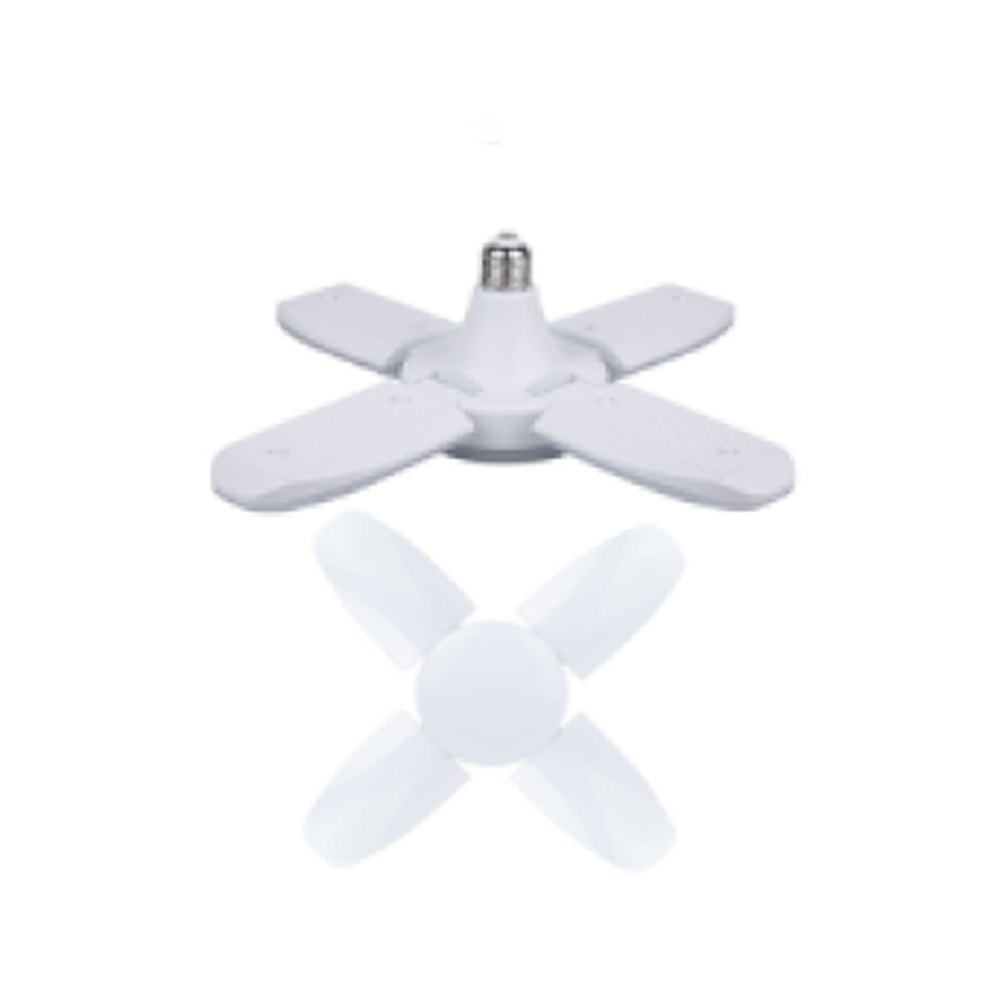
The range made at Zaferoğlu Elektrik's plant in Ganja includes T-shape high-power lamps from 20 to 70 watts. Their technical details can be reviewed in the catalogue and an offer requested.
All news