
Grocery lighting: fruit, meat and bakery displays
Shoppers judge freshness with their eyes, and what the eye sees depends on the light. Here is how to light fruit, meat and bakery displays properly.
Before a shopper picks up a tomato, they look at it and decide in an instant whether it is fresh. The lamp above it shapes that decision as much as the produce does. The same apple can look bright and tempting in one shop and dull and old in another. In food retail, lighting directly affects both sales and waste.
The main floor and shelving
General lighting should let shoppers move around comfortably and read labels and best-before dates. In the aisles it matters that light reaches the vertical shelf faces, not just the floor, because people look at shelves rather than at their feet. Placing fittings parallel to and near the shelf runs, instead of down the exact centre of each aisle, keeps the lower shelves visible too.
Uniformity is key here as well. A shopper who passes from a bright entrance into a dim back section is less inclined to walk there. Light the depth of the store at least as well as the entrance.
Watch for shadows as well. If a fitting is directly above the shelving rather than in front of it, the top shelf casts a shadow over the lower rows, and a shopper's own head and trolley can darken the shelf face. Moving the fitting slightly forward towards the aisle reduces these shadows. Promotional islands and baskets in the middle of the floor tend to disappear under general light unless they get a spot of their own.
Fruit and vegetables
In the produce section, colour is everything. Two things matter:
- High colour rendering. Under low-Ra light, reds, oranges and greens lose their depth. Good colour rendering shows produce in its natural colour.
- Little heat. Heat from a light source wilts leafy greens quickly. LED lamps emit less heat than incandescent and halogen lamps, but placing a spot very close to produce is still not advisable.
There are also special-spectrum lights that artificially boost colours. Use them with restraint: if customers notice that what they took home looks different from what they saw in the shop, trust suffers.
Meat and fish counters
At a meat counter the aim is to show the natural red of the meat correctly without warming it. Light sources inside a refrigerated display must be suited to cold conditions. If a spot is aimed at the counter from above, its distance and angle should keep its heat off the product surface.
Fish and seafood are laid out on ice, where neutral or slightly cool white light reinforces the sense of freshness. For meat, however, light that is too cool can make it look grey. That is why many stores light their meat and fish counters differently.
Bread and pastries
At the bakery shelf, warm white light brings out the browned crust and golden crumb and suggests something just baked. Pendants or spots aimed at bread baskets set this section apart from the rest of the floor and draw shoppers towards it. Chocolate and cream products are sensitive to heat, so keep strong sources away from their displays.
Checkout, chillers and back-of-house
At the checkout, light should let the cashier see cash, cards and barcodes easily and let the customer read the receipt. Glare is especially tiring here, because the cashier sits in the same spot for hours.
Open chillers come with their own internal lighting; if its tone clashes with the general lighting, the section looks odd. In storage, goods receiving and butchery rooms, clean, even, cool white light is more practical for safety and hygiene.
Grocery stores often trade from early morning until late at night, and some never close. Over such long hours, replacing old lamps with LEDs cuts electricity use noticeably and eases the extra heat load on refrigeration. When relamping, renew every lamp in a section at the same time and with the same type to avoid colour differences.
Quick checklist
- Can labels on the bottom shelves be read easily?
- Do fruit and vegetables look roughly the same colour as in daylight?
- Is no spot noticeably warming the produce?
- Does the back of the shop look no darker than the entrance?
- Is the cashier not looking straight into a lamp from their seat?
- Are failed or flickering lamps replaced promptly?
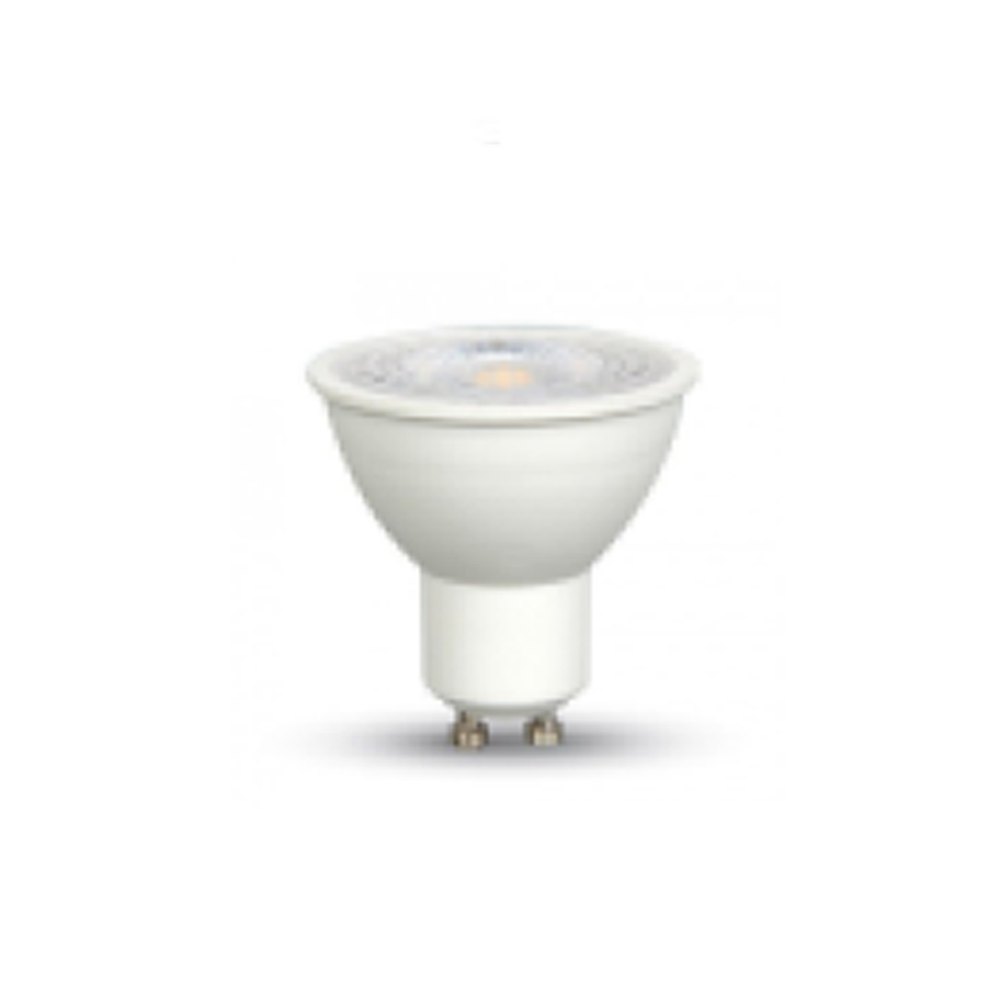
Zaferoğlu Elektrik, which makes Zəfər İşığı LED lamps in Ganja, offers GU10 and G5.3 spot lamps, standard E27 lamps and high-power T-shape lamps. The types a shop needs can be picked from the catalogue and an offer requested.
All news