
Moving a small shop to LED, step by step
Changing a shop's lighting in a planned sequence rather than in one go keeps trading going and cuts mistakes. The stages from inventory to installation.
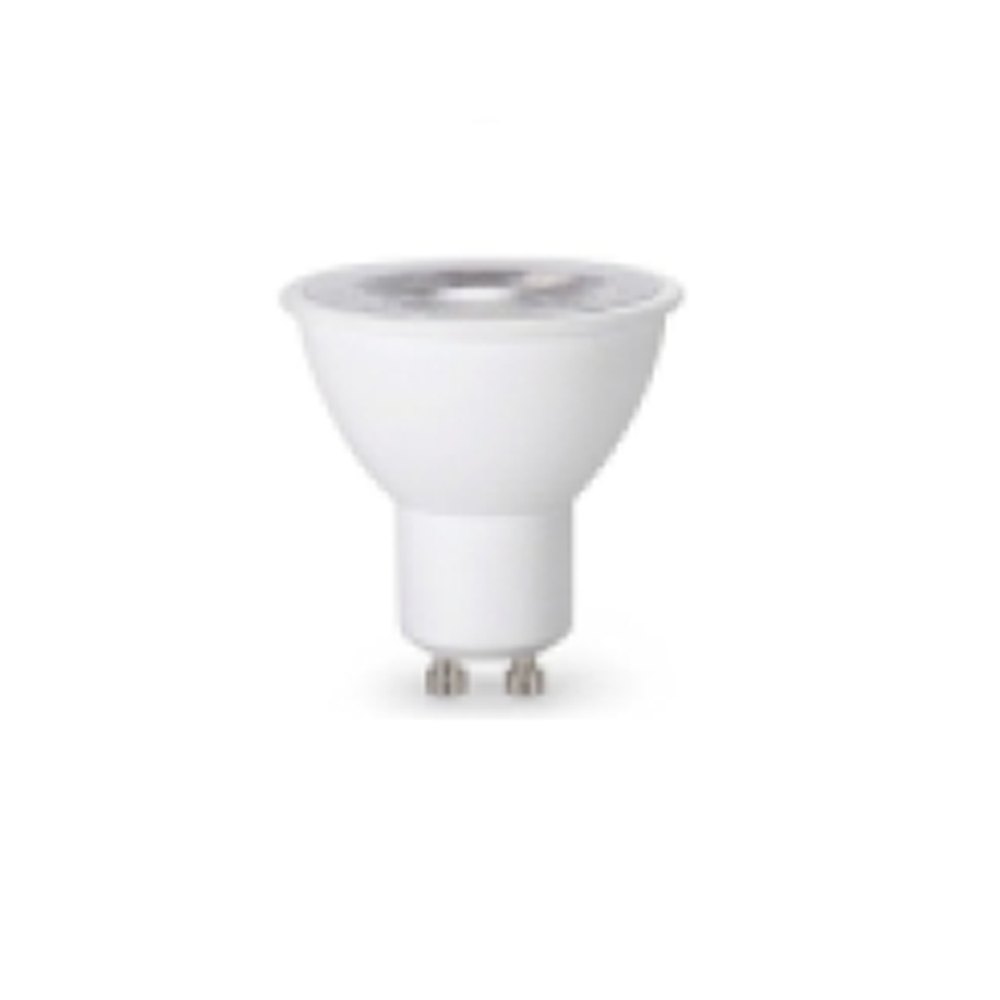
For a small shop owner, relighting is the kind of job that keeps getting postponed: the shop has to close, the cost lands all at once and nobody is sure how it will turn out. Splitting the changeover into stages removes most of those worries. The sequence below works the same way for a grocery, a clothes boutique, a pharmacy or a small electronics store.
Step 1: list what you have
Everything starts with an inventory. Walk round the shop and note for each fitting:
- where it is (window display, sales floor, till, stockroom, toilet, façade);
- the lamp type and cap (E27, E14, GU10, G5.3, fluorescent tube and so on);
- the wattage and number of lamps;
- roughly how many hours a day it is on;
- any problems: flicker, blackened tubes, lamps that fail quickly, weak light.
This list gives you exact quantities for buying and helps you set priorities later. Removing old lamps and photographing them, especially spots and tubes, prevents buying the wrong thing.
Step 2: set priorities
The switch can be spread over several months. The most sensible place to start is with the lamps that burn longest and use the most energy — usually the window display and the main sales-floor lighting. They have the biggest effect both on the bill and on what customers see. Halogen spots deserve particular attention: they run very hot, which adds load to the air conditioning and can damage goods on display, such as chocolate or cosmetics.
The stockroom and back rooms can wait, since lights there are on for less time. Changing them together with a motion sensor adds extra savings.
Step 3: check technical compatibility
This is where most LED conversion mistakes happen. Key points:
- Fluorescent tubes: an LED tube may be compatible with a fitting that runs on an electromagnetic ballast, while other models require the ballast to be taken out of the circuit. Read the packaging carefully to know which type you are buying; with LED tubes the old starter is usually replaced with a special short-circuit starter.
- G5.3 spots: an old halogen transformer may not "see" the small load of an LED lamp, which causes flicker. In that case an LED-compatible driver is needed.
- Dimmers: an old dimmer may make LED lamps flicker or buzz; check that the lamp is dimmable.
- Size: in closed fittings, check that the new LED body is not too big for the space the old lamp used.
In complicated cases, especially where tube fittings need rewiring, leave the circuit changes to an electrician.
Step 4: decide on colour and consistency
A uniform look matters in a shop. If one shelf is lit warm and the next cool, the space looks untidy and product colours shift from place to place. So choose a colour temperature before you start and stick to it through every stage. A common approach: warm or warm-neutral light for bread, confectionery, clothing and homeware; neutral light for electronics, pharmacy and cleaning products. Lamps with a high colour rendering index help show products in their true colours.
Trying two or three different lamps on one shelf before deciding is the most reliable method. Judge the result in the evening, without daylight.
Step 5: install and check the result
Carry out the work zone by zone while the shop is closed — early in the morning or in the evening — so that trading is not interrupted. After each zone, check:
- whether there is any flicker (looking through a phone camera is a simple test);
- whether shadows or overly bright spots have appeared on displays and shelves;
- whether light is glaring into the cashier's eyes;
- whether all the lamps look the same colour.
Keep one or two spare lamps of each type: spares from the same batch let you replace a failed lamp later without a visible colour difference.
After the changeover
Update your list and record when each lamp was installed. Comparing electricity bills with the previous period a month or two later shows the result in real figures and helps plan the order for the remaining zones.
Do not put old fluorescent tubes or compact fluorescent lamps in general waste: they contain a small amount of mercury. Keep tubes unbroken, in their packaging, and take them to a collection point that accepts this kind of waste. Incandescent and halogen lamps contain no mercury, but should be wrapped before disposal to avoid injuries from broken glass. Lamps that still work when removed can be used up in the back rooms you are leaving until later — a way to keep to your priority order without buying extra stock.
The Zəfər İşığı catalogue covers everything from standard E27 lamps to GU10 and G5.3 spots, as well as conventional fluorescent tubes and starters. You can filter the catalogue by cap and request an offer from Zaferoğlu Elektrik.
All news