
Lighting apartment block entrances, stairwells and basements
Dark stairs and basements are both a safety and a comfort problem. Where to place light in common areas, sensors, emergency lighting and vandal resistance.
The common areas of an apartment block — the entrance, lobby, stairs, corridors and basement — belong to nobody in particular, and that is exactly why their lighting is so often neglected. A dead lamp goes unreplaced for weeks, one bare bulb on a landing tries to light a whole flight, and people go down to the basement by phone torch. Yet light in these places is directly tied to safety: falls, strangers lurking in the dark, escape routes that cannot be seen.
Entrance and lobby
The entrance is the building's "first impression", and it has two jobs: letting residents see the door, their keys and the intercom easily, and making the entrance clearly visible from the street. A fitting above the door should light a person's face with soft light angled slightly forward, rather than from directly above with hard shadows — this matters both for the intercom camera and for residents recognising who is at the door.
In the lobby, the post boxes, notice board and lift buttons need good light. Coming in from the street at night, the eyes are adapted to darkness, so the lobby should not be overly bright; in the daytime it is the reverse — the eyes cannot adjust quickly and the lobby looks gloomy. A two-level setup, brighter by day and dimmer at night, softens this difference.
Stairs: steps without shadows
The key requirement on stairs is that the edges of the steps are clearly visible. The most common mistake is placing a fitting only on the landing at one end of a flight: someone walking down casts their own shadow over the steps. A good solution includes:
- a fitting on every landing, with extra intermediate light on long flights;
- positioning fittings so they light both the flight above and the flight below;
- contrasting strips on the step edges — together with good lighting, a big help to residents with poor eyesight;
- low-glare fittings with opal diffusers, because on stairs people often look upwards.
The European standard EN 12464-1 recommends somewhat higher illuminance for stairs than for corridors, reflecting the fact that a misstep on stairs has more serious consequences.
Sensors and timers
Leaving common-area lights on all day is a needless expense, while switching them off entirely is dangerous. Typical solutions are motion sensors, stair timers (light that stays on for a set time after a button is pressed) and low background lighting at night. When using sensors, pay attention to the following:
- The time delay must be long enough for the slowest resident to climb the stairs; an elderly person should never be left in the dark halfway up a floor.
- Sensor coverage must include the turns of the staircase, otherwise the light only comes on once someone reaches the landing.
- Some two-wire sensors and older timers do not work properly with the small load of LED lamps: a switched-off lamp may glow faintly or flash. When moving to LED, check that the sensor is LED-compatible.
- Choose lamps and drivers that can cope with frequent switching.
Basements and plant rooms
Basements are usually damp, sometimes dusty and rarely visited. Enclosed, moisture-resistant luminaires, earthing for metal-bodied fittings and a circuit protected by a residual current device are essential. The light switch should be reachable at the entrance, before you take the first step inside. In long basement corridors, lighting split into several groups, or sensors, keeps every section out of the dark.
Rooms housing meters and distribution boards deserve particular attention: when an electrician or gas engineer arrives at night, there must be enough light to work.
Emergency lighting and vandalism
When the power fails, stairs and exit routes must not be plunged into total darkness. Emergency lighting uses battery-backed fittings to light the escape route; the EN 1838 standard requires a minimum of 1 lux along the centre line of an escape route. Local regulations may set different requirements depending on the type of building, so confirm them during design or refurbishment. Batteries need periodic testing, otherwise emergency lights may fail at the very moment they are needed.
Vandal resistance is a real issue in common areas. Fittings with impact-resistant polycarbonate covers and concealed screws hold up better against breakage and lamp theft. Mounting them out of arm's reach helps too.
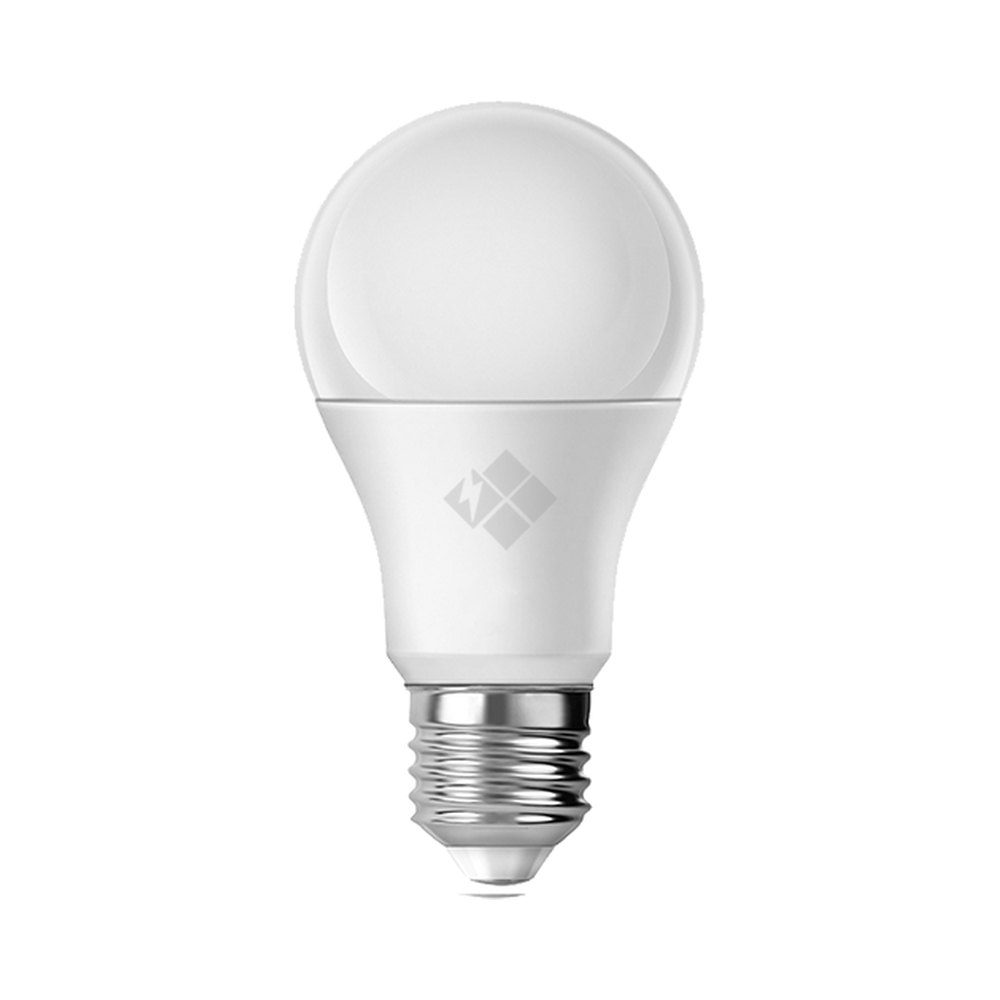
For housing associations and building managers, the Zəfər İşığı catalogue includes standard LED lamps with various caps. A bulk offer can be requested through Zaferoğlu Elektrik's office in Baku.
All news