
Lighting jewellery displays: sparkle and colour
A diamond's sparkle, the warmth of gold and the soft glow of pearls each need different light. How to choose source size, angle and colour in a jewellery case.
In a jewellery shop, customers first "touch" a piece with their eyes. The same ring can look alive in one case and flat in another, and the reason is almost always the lighting. The brilliance of gemstones depends directly on the size, direction and colour of the light source, so general room lighting alone will not do.
Where sparkle comes from
The many facets of a cut stone let light in, refract it and send it back out in different directions. The eye sees this returning light as bright points and flashes of colour. The effect is strongest when the light comes from a small, bright point source. A large, diffuse source — an LED panel with an opal cover, for example — lights the stone evenly but "washes out" the fire: the stone looks clean, yet it does not come alive.
That is why narrow-beam spots and small LED modules with lenses are the main tools in a jewellery case. When several point sources are aimed from different angles, the sparkle shifts as the customer moves their head — exactly the effect of a "living" stone.
The number of sources matters too. A single powerful spot makes one side of a stone bright and the other dark, and casts a hard shadow. Aiming two or three weaker spots at the same point from different angles softens shadows and multiplies the points of sparkle. Match the beam angle to the size of the case: a very narrow beam creates a small pool of light, and a piece sitting outside it looks dull, while a very wide beam scatters light onto the background and the glass. In a shop where pieces are moved around often, adjustable spots are especially convenient.
Colour temperature by material
Different materials look best under different light, and a common practical approach is:
- Diamonds and colourless stones, silver, platinum, white gold: neutral or slightly cool white light emphasises the clarity of the stone and the brightness of the metal.
- Yellow and rose gold, amber, warm-coloured stones: warm light brings out the depth of the metal; under cool light gold can look pale and "grey".
- Pearls and opals: soft, diffuse light shows the subtle lustre of their surface better than harsh point sources.
- Coloured stones — emerald, ruby, sapphire: a high colour rendering index is especially important for true colour.
In a small shop with a mixed collection, a separate colour for every case may not be possible. A practical solution is to use neutral light as the base and add warm accent lighting for gold pieces. Mixing two whites inside one case that are close to each other but still visibly different, however, looks untidy.
Light inside the case versus from above
There are two main arrangements. Ceiling spots aimed at the cases are flexible, but the customer's head can block the light and cast a shadow on the piece, and the light reflects off the glass. Miniature LED spots or strips built into the case bring the source close to the jewellery and reduce both shadows and reflections.
The best results often come from combining the two: light inside the case provides the sparkle, while soft general light from the ceiling keeps the shop from looking dark. There should be a clear brightness difference between the case and its surroundings — when the piece is brighter than the space around it, the eye goes to it naturally.
Heat, shadows and glare
Heat builds up quickly in a closed case. Old halogen lamps warmed both the air and the glass, which was unpleasant for customers and undesirable for some materials. LEDs produce less heat, but a driver left inside the case still raises the temperature, so place it outside where possible.
Watch for glare as well. Staff and customers lean over the case to look, so no spot should shine straight into their eyes. Spots with deeply recessed lenses or anti-glare rings reduce this. Glossy glass shelves add reflections; a matt velvet or linen base cuts reflections and makes the shine of the metal stand out more clearly against the background.
A checklist for the display
Once the new lighting is installed, run this simple test:
- Put rings in the front row and move your head slowly from side to side: does the sparkle change?
- Compare the same piece in the case and in daylight: is the colour dramatically different?
- Lean over from where a customer stands: does light hit your eyes, and can you see the lamps reflected in the glass?
- Look for flicker through a phone camera — it tires the eyes and spoils product photos.
- Look at the case from where the sales assistant sits or stands: are they free from glare too?
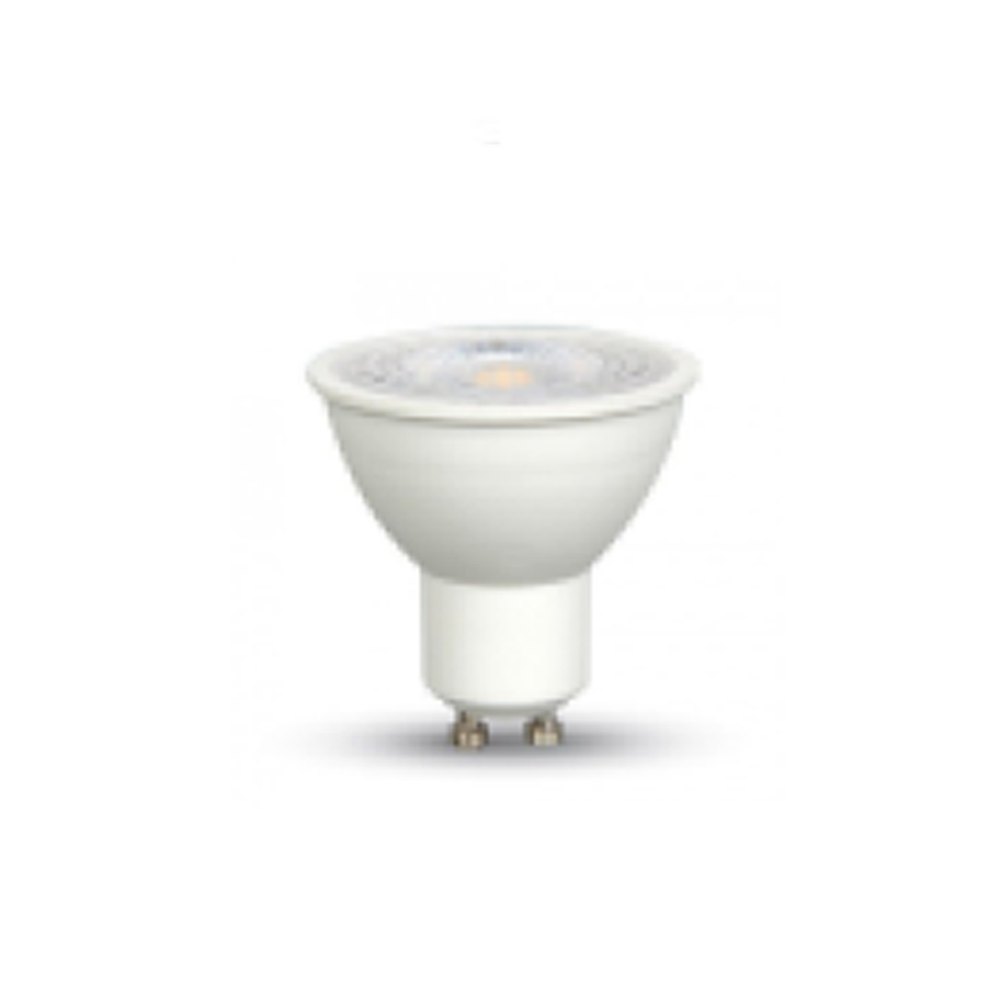
The Zəfər İşığı range from the Zaferoğlu Elektrik plant, which has been operating in Ganja since 2021, includes GU10 and G5.3 spot lamps and an adjustable 3D spot. For a display project you can browse the catalogue and request an offer.
All news