
A light will not come on: a safe order of checks
You press the switch and nothing happens. The cause could be anything from a dead bulb to a breaker or a wire. Safe checks, working from simple to complex.
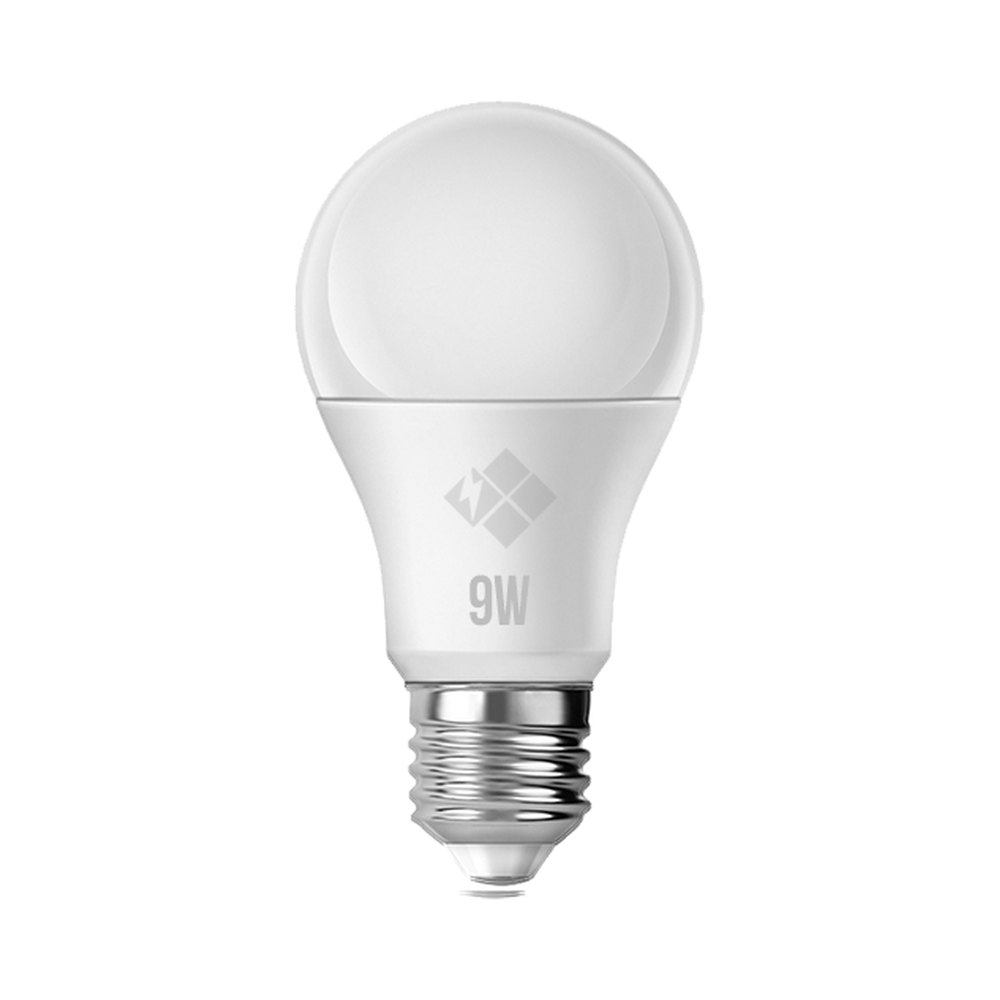
You walk into a room in the evening and press the switch, but the light does not come on. The first thought is usually that the bulb has blown, and often that is true. Sometimes, though, a new bulb does not work either, then another one fails too, and the problem keeps getting more confusing. Random attempts in this situation waste time and can be dangerous. To find the cause, work through a set order, from the simple to the complex.
Step one: how widespread is the problem?
Before touching the bulb, look around:
- Are the lights working in other rooms? Do the sockets work?
- Are the neighbours' lights or the stairwell lights on?
- If other lamps are on the same switch, have they gone out too?
If there is no power in the whole home or building, the problem is not the bulb. If the lights in just one room, or in part of the home, are out, a circuit breaker may have tripped. If only one bulb in a multi-bulb chandelier is out, the cause is almost certainly that bulb or its lampholder.
Step two: check the consumer unit
Look for a breaker or residual current device that has tripped to the off position. You can reset a tripped breaker once.
If the breaker trips again straight away, or when you switch the light on, do not keep resetting it. That points to a short circuit or leakage in the circuit. Leave that circuit off and call an electrician. A residual current device tripping is a particularly serious signal, since it reacts to current leaking to earth through a person's body or moisture.
Step three: the bulb itself
If the consumer unit is fine, check the bulb. First switch off at the wall and, if it is an incandescent or halogen lamp, let it cool.
- Push the bulb gently into the holder: sometimes the contact has simply loosened.
- Take the bulb out and inspect it: is the filament broken in an incandescent bulb, and is there darkening, swelling or a burning smell from an LED bulb?
- The most reliable method is to fit a bulb you know works into this holder, and the suspect bulb into another holder that works.
If the good bulb lights in this holder, the old bulb has failed. If the good bulb does not light either, the problem is not the bulb and you move on.
Step four: compatibility issues
Sometimes the bulb is fine and the holder works, but the bulb does not work properly in this circuit. Typical cases:
- Dimmer. An LED bulb not designed for dimming may not light at all, may flicker or may only light at maximum.
- Motion sensor or timer. Some sensors do not detect an LED bulb's very low load or do not switch it correctly.
- 12-volt transformer. Electronic transformers in old halogen MR16 and G4 systems may not start with a very small load.
- Smart switch. Some smart switches need a minimum load and do not work reliably with LED.
In these cases, check the compatibility information on the bulb's box and the instructions for the control device. The issue is often solved by choosing a suitable bulb or device.
Step five: lampholder and wiring, and where to stop
If a good bulb does not light, the consumer unit is fine and there is no compatibility issue, the cause lies in the lampholder, the switch or the wiring. At this stage safety comes first.
Only look at the lampholder after switching off the relevant breaker and confirming with a tester that there is no voltage. In screw lampholders, the central contact tab gets pressed down over time and no longer reaches the tip of the bulb; carefully lifting it slightly sometimes fixes the problem. If the lampholder shows blackening, melting or cracks, it must be replaced.
Taking the switch apart, testing wires and opening junction boxes is a job for an electrician. If at this stage there is a burning smell, a warm switch, intermittent light or crackling, keep that circuit's breaker switched off.
Quick reference
- Work out how widespread the problem is.
- Check the breaker; if it trips again, stop.
- Switch off, let the bulb cool, test with a known good bulb.
- Check dimmer, sensor and transformer compatibility.
- Only look at the lampholder and wiring with the breaker off and voltage checked; leave deeper work to an electrician.
If the bulb needs replacing, note the cap and shape of the old one. In Zaferoğlu Elektrik's Zəfər İşığı catalogue, LED bulbs can be filtered by cap to find a model with the same base quickly.
All news