
An LED glows faintly when switched off: what causes it
The switch is off, yet the bulb glows faintly in the dark or flashes now and then. Behind this there is usually a switch, the wiring or a tiny leakage current.
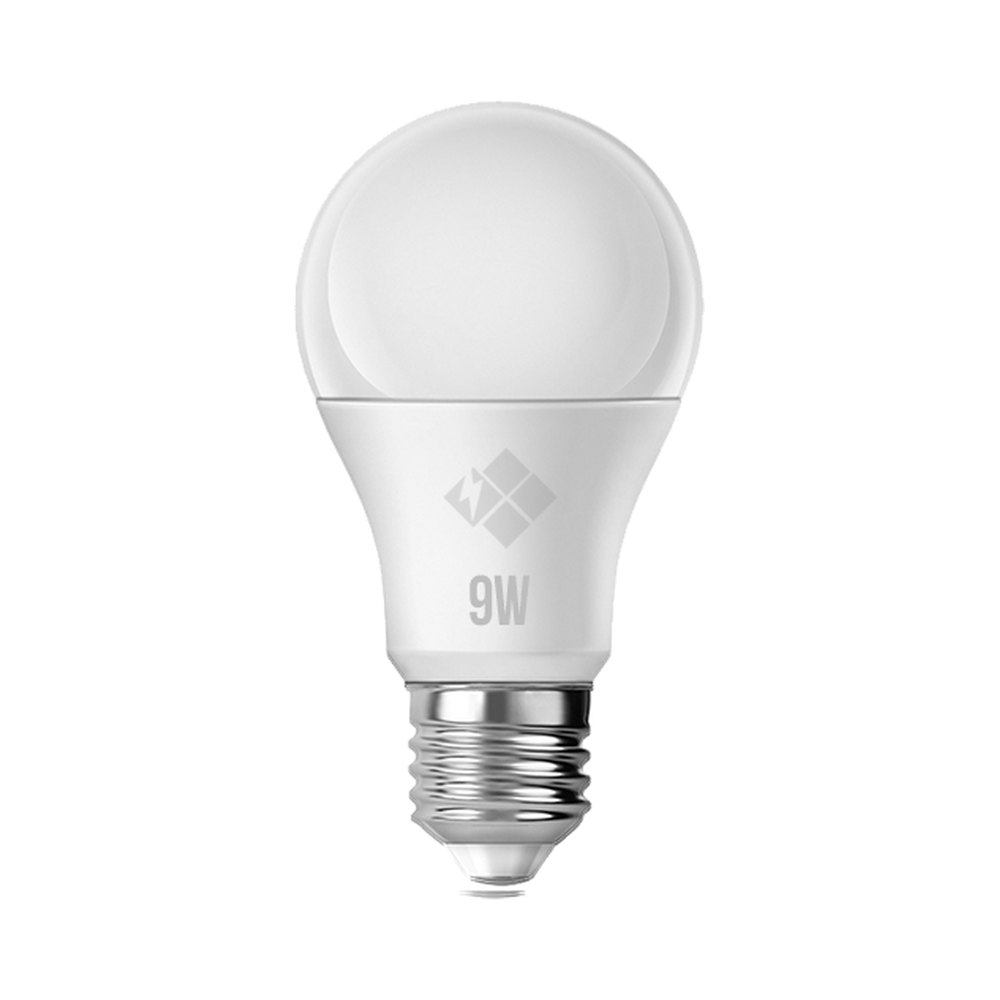
You turn the light off at night, a few seconds pass, and a faint glow appears inside the bulb in the dark. Sometimes it is a steady, barely visible light; sometimes the bulb gives a short flash every few seconds. With incandescent bulbs this problem hardly existed. With LEDs it is common, and it usually says something about the circuit rather than the bulb.
Why so little current is enough for an LED
Heating a filament until it glowed visibly took a lot of current. Even if there was a small leak in the circuit, the filament just stayed cold. An LED is far more sensitive: a very small current is enough for a visible glow. The capacitor inside the driver also slowly collects that current and, once it reaches a certain level, discharges it as a brief flash.
So if any small current reaches the bulb while it is switched off, the LED will show it. The question is where that current comes from.
The most common causes
An illuminated switch. Switches with a small built-in indicator, so you can find them in the dark, are very common. The indicator works while the switch is off and draws its current through the bulb. An incandescent lamp did not notice that current; an LED glows faintly or flashes.
A switch that breaks the neutral. In a correct installation, the switch breaks the live conductor. If the neutral has been routed through the switch by mistake, the lampholder stays live even with the light off. A small current can then flow through the capacitance between the wires or via earthed metal parts. This is also a safety issue: the bulb is dark, but there is voltage at the holder.
Long wires run side by side. When the live conductor and the switched wire to the light run next to each other over a long distance, capacitance builds up between them. A small voltage is induced on the switched-off line this way. It is especially common in long hallways, in lights controlled from several places and in large houses.
Smart switches and some dimmers. Smart switches that do not need a neutral wire power their own electronics by passing a small current through the bulb even when "off". Some electronic dimmers behave the same way.
How to identify the cause
The first steps are safe and simple:
- look for an indicator light in the switch; if there is one, it is the most likely culprit;
- try a different model of LED bulb in the same fitting, since some drivers are less sensitive to small currents;
- check whether other bulbs on the same circuit glow as well;
- if the glow started after a smart switch or dimmer was installed, that is very likely the cause.
Checking which conductor the switch breaks means opening the switch plate and testing with a voltage indicator. That is a job for a qualified electrician.
Fixes
The fix depends on the cause:
- Illuminated switch: disable the indicator or replace the switch with a plain one. Some switch models let you disconnect the indicator.
- Switch breaking the neutral: reconnect the wiring so that the switch breaks the live conductor. This removes the glow and also reduces the risk of electric shock when changing a bulb.
- Long cable runs: an electrician can fit a small load element (a capacitor-resistor unit) in parallel with the light. It absorbs the leakage current so the LED stays dark.
- Smart switch: use the bypass module the manufacturer offers for this purpose, or change to a model that uses a neutral wire.
Take care when changing the bulb
A glow from a switched-off bulb is a sign that there may be voltage at the lampholder. Until the cause is clear, turning the light off at the wall switch should not be considered enough before changing the bulb. The safer option is to switch off that circuit's breaker at the distribution board. This precaution matters especially with metal fittings, in a damp bathroom, or when you are working from a ladder.
If the breakers in your home are not labelled with the circuits they control, that is one of the first things to fix during an electrical check. Clear labelling in the board makes changing bulbs, and any future repair, much simpler, and removes the risk of switching off the wrong circuit by mistake.
Does it harm the bulb?
A faint steady glow is usually not directly harmful, but constant flashing puts extra stress on the driver's capacitor and can speed up its ageing over time. A light that keeps flashing in a bedroom at night also disturbs sleep. So it is better to find the cause than to hope the problem goes away by itself.
Zaferoğlu Elektrik has been making Zəfər İşığı LED lamps in Ganja since 2021. Its catalogue covers a range of caps and body shapes, and the website filters help narrow down the right one.
All news