
How to check a new LED bulb at home
A new LED bulb can be checked right out of the box with a few simple tests: packaging, body, start-up, flicker and heat. No special equipment is needed.
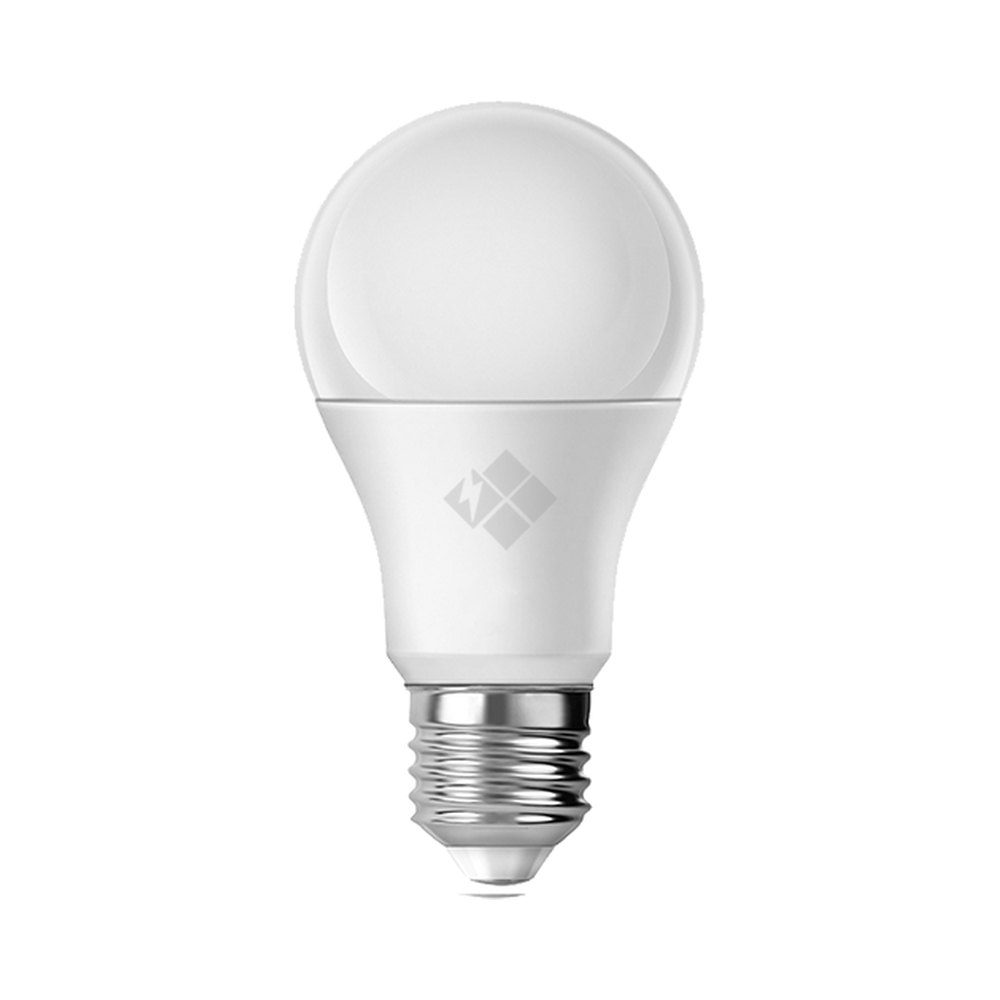
You have bought a bulb and opened the box at home. You could screw it into the ceiling and forget it, but a few minutes of checking answers questions that would otherwise come up later: is it the right bulb, is it undamaged, will its light be comfortable to live with. It also makes sense to keep the receipt and the box until you have finished.
Before it leaves the box
Compare the markings on the packaging with where the bulb is going. Things to look at:
- Cap type. E27, E14, GU10 or G5.3: does it match your lampholder.
- Voltage. For household mains it should say 220–240 V. Many G5.3 spots run on 12 V and must not be connected straight to the mains.
- Wattage (W) and luminous flux (lm). Brightness is given by lumens, not watts, so compare with your old bulb in lumens.
- Colour temperature (K). Check this so the bulb matches the other lights in the room.
- Dimmable symbol. For a dimmer-controlled fitting the bulb must clearly state that it supports dimming.
- Enclosed fitting warning. If there is such a restriction, you need to know before putting the bulb in a closed shade.
If the box is crushed, torn, or looks as if it has been opened and resealed, inspect the bulb with extra care.
Inspecting the body and cap
Turn the bulb over in your hand in good light. The glass or diffuser should have no cracks, scratches or holes. A gap, glue squeezed out, or play at the joint between the plastic body and the dome indicates an assembly defect.
Check the cap: the thread should be undented and sit straight, and the centre contact at its tip should be in place. Give the bulb a gentle shake; there should be no rattling inside. A loose part may be a component that has come off the driver.
On a GU10 bulb make sure the two pins are straight and firm; on a G5.3 bulb check that the thin pins are not bent. Trying to straighten a bent pin often snaps it.
A test in a lampholder
For the test, pick an ordinary switched fitting you know works, such as a table lamp. Testing a new bulb by connecting it to bare wires is dangerous; do not do it.
Screw the bulb in with the switch off, then turn it on. A normal LED bulb lights almost instantly and its brightness settles within the first seconds. These signs should raise concern:
- a noticeable delay before it lights, or several blinks at start-up;
- part of the bulb glowing dimmer or patchy;
- a buzzing or crackling sound;
- a smell of burning plastic.
Switch the bulb off and on a few times. It should come on the same way every time.
A flicker test with a phone camera
Flicker you cannot see can still cause fatigue during long reading or work sessions. A rough home test: film the bulb, or a pale wall it lights, with your phone. Moving dark stripes on the display mean the output pulses. If no bands appear, flicker is either absent or very weak.
It helps to compare with another bulb running nearby. Some phones adjust exposure automatically and hide the bands, so try slow-motion mode too if you can. This is not a laboratory measurement, only a first indication.
For a bulb on a dimmer, repeat the test at different brightness levels, since flicker most often shows up at the low end.
Heat and the first few days
The body of an LED bulb, especially the part near the cap, gets warm in use. That is normal, because heat from the driver and LEDs is spread there. If after half an hour the body is too hot to touch, or you feel a very hot local spot on the dome, think twice before putting it in an enclosed fitting.
A faint glow when the bulb is off is usually a feature of the wiring, not the bulb: an illuminated switch, a switch that breaks neutral instead of live, or a small leakage current in a long cable can cause it. Try the same bulb in another fitting. If it does not glow there, the cause lies in the circuit.
Check colour on the first day as well. If one bulb in a room looks yellower or bluer than the others, its colour temperature is different. That is not a defect but a mismatch in selection.
Quick checklist:
- box markings match the holder and the mains;
- dome, body and cap are undamaged, nothing rattles inside;
- lights instantly, evenly and silently in a working fitting;
- no strong bands on the camera screen;
- heat stays at a touchable level.
For Zəfər İşığı bulbs, the online catalogue lists every base and shape (E27, E14, GU10, G5.3), so you can compare what is printed on your box with the official data.
All news