
Can LED bulbs interfere with radios and other devices?
Some LED bulbs have drivers that emit electromagnetic noise heard as hiss on a radio. Why it happens, how to find the culprit and what to do about it.
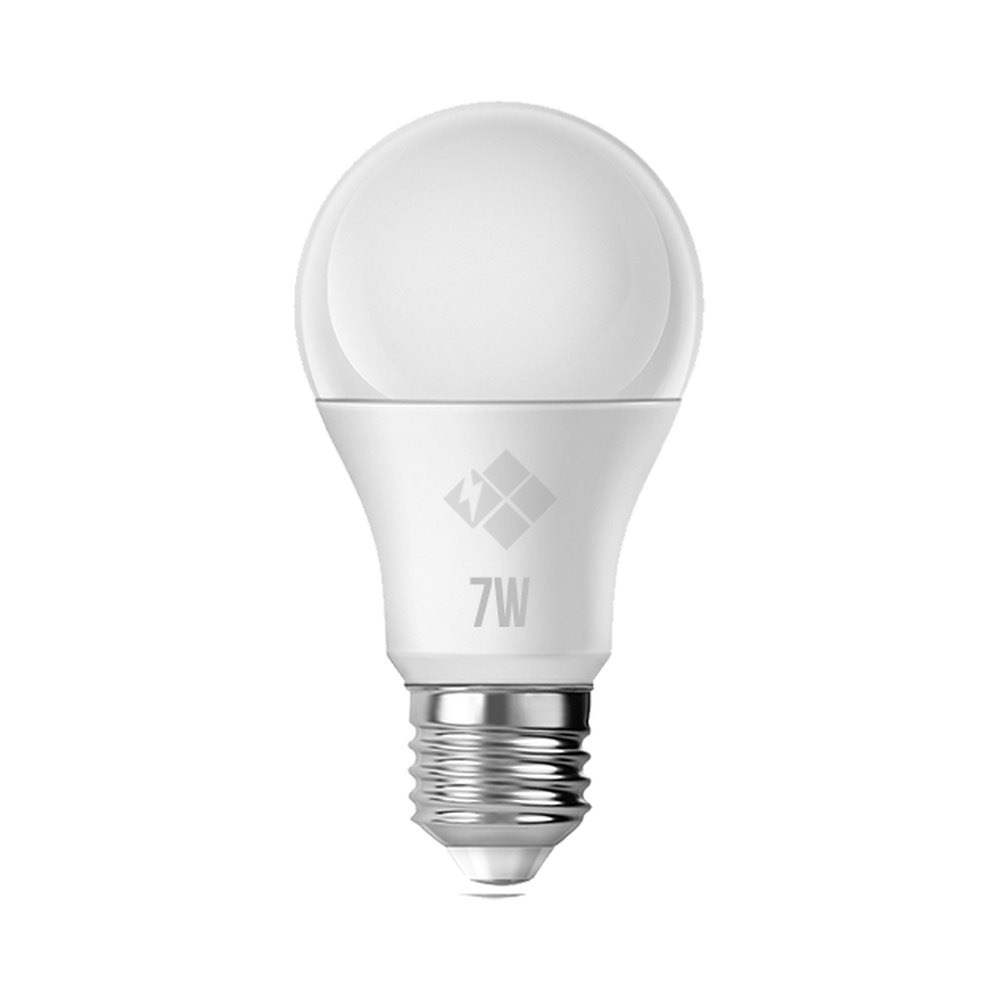
An old radio is playing in the kitchen, someone switches on the ceiling light, and a loud hiss drowns the programme. Switch the light off and the sound clears. That is no coincidence: some LED bulbs really do interfere with radio reception. The good news is that finding the source and dealing with it is usually straightforward.
Where the interference comes from
The driver inside an LED bulb converts mains voltage into the current the LEDs need. Most modern drivers are switch-mode designs, in which a transistor turns on and off tens of thousands of times a second. Those fast transitions produce high-frequency electromagnetic noise.
The noise spreads in two ways. It radiates directly from the bulb, and it also travels into the mains wiring in the walls, which acts like an antenna and spreads it around the room and neighbouring rooms. That is why a faulty bulb can disturb a radio some distance away.
A well-designed driver includes a filter, a small choke and capacitors, to suppress that noise. Limits on electromagnetic emissions from lighting equipment are set by the CISPR 15 standard, published in Europe as EN 55015. A bulb with a skimped filter may exceed those limits and disturb nearby equipment.
Which devices are most sensitive
The noise is usually strongest at lower frequencies, so the first victims tend to be:
- medium-wave and long-wave (AM) radios;
- shortwave receivers and amateur radio stations;
- FM and digital radio when the signal is weak;
- in some cases, terrestrial TV received with an indoor aerial.
Very high-frequency communications such as Wi-Fi, mobile phones and Bluetooth are generally not noticeably affected. If your internet slows down, the cause is more likely to lie elsewhere.
Why old bulbs never did this
Many people first notice interference right after swapping incandescent bulbs for LEDs. The reason is simple: an incandescent bulb contains no electronics, just a glowing wire, and it produces no high-frequency noise. Every LED bulb, by contrast, carries a small electronic converter. With dozens of them in a home, their individually faint noise can add up.
A few typical situations:
- a radio plays in the garage and a medium-wave station vanishes as soon as the powerful ceiling lamp comes on;
- in a country house a distant AM station comes in well in the evening, until the yard light is switched on;
- a radio amateur notices the shortwave noise floor rising after new bulbs go in next door.
In each case the first step is the same: switch the light on and off to confirm that the noise really follows it.
How to track down the culprit
The simplest detector is a portable AM radio. Tune it to an empty spot between stations and turn the volume up. Then work step by step:
- switch off all the lights and listen to the background noise;
- turn the lights on one at a time, noting whether the hiss changes;
- bring the radio close to a suspect bulb; the noise gets louder as you approach the source;
- if a dimmer is fitted, test the bulb without it too, as dimmers can be noise sources themselves;
- repeat the test with lights off for other devices: phone chargers and TV power supplies can cause similar interference.
Sometimes it is not a single bulb but the combined noise of several bulbs on the same circuit. Removing them one by one makes the picture clear.
What you can do
Once you have found the offender, the most reliable fix is to replace it with a better-filtered model. A few simple steps also reduce the problem:
- move the radio and its aerial as far as practical from the bulb and the mains wiring;
- run the receiver on batteries if possible, since noise can also enter through its mains lead;
- on devices with an external aerial, avoid running the aerial cable alongside mains cables;
- a clip-on ferrite core on the radio or TV cable sometimes helps.
Do not try to fit a home-made filter inside a bulb or light fitting: that is work on mains voltage and compromises electrical safety. If the interference is severe or affects several flats in a shared building, it is better to investigate together with an electrician.
Zəfər İşığı household LED bulbs are made by Zaferoğlu Elektrik in Ganja. Technical questions about a particular model can be sent through the contact form on the company's website.
All news