
LED bulbs in frost and heat: temperature limits
LED chips like the cold, but driver electronics are sensitive to both frost and heat. What to look for when choosing bulbs for balconies, garages, lofts and workshops.
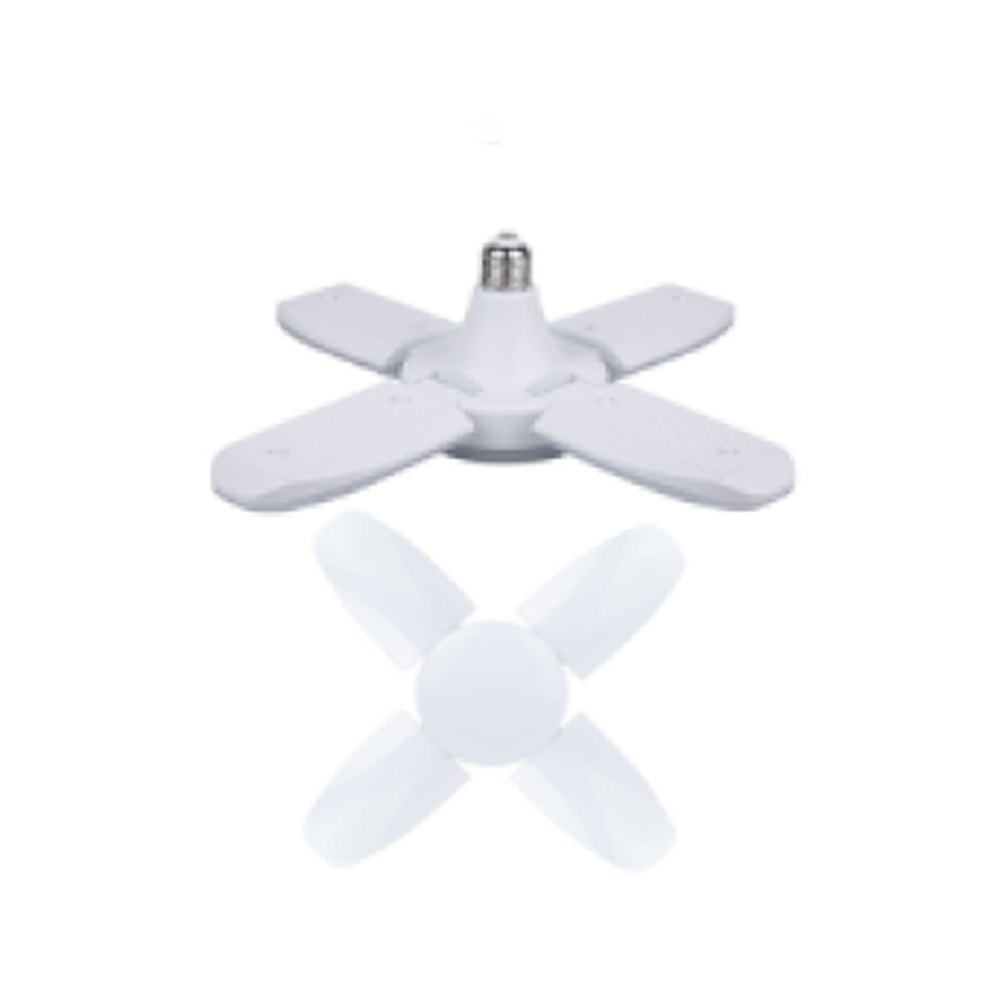
The same bulb behaves differently in a storeroom under a sun-baked roof or in a garage that freezes in winter than it does in a living room. In one it fails early; in the other it flickers the first time it is switched on in the morning. Temperature plays a completely different role in LED technology than it did with incandescent bulbs, and understanding that helps you choose where each bulb goes.
LED chips and temperature: an inverse relationship
For an incandescent bulb, ambient temperature barely matters: its filament runs at thousands of degrees anyway. An LED chip is a semiconductor, and its efficiency depends directly on its internal temperature. The cooler the chip runs, the more light it produces per watt and the more slowly its materials age.
In that sense frost is not a problem for the chip; it is even an advantage. An LED bulb working in a cold warehouse or outdoors on a winter night may give slightly more light than it would indoors. Heat does the opposite: as chip temperature rises, brightness falls, the phosphor and encapsulant age faster and the colour of the light can shift.
The weak link: the driver
In practice it is the driver, not the chip, that sets the temperature limits, and the electrolytic capacitors in the driver are its most sensitive parts.
In heat, the electrolyte inside these capacitors slowly evaporates and their capacity drops. Engineers often estimate that electrolytic capacitors lose about half their expected life for every extra 10 °C they run at. If the inside of a bulb stays hot all the time, the driver can fail long before the LEDs do.
In frost, the electrolyte's properties deteriorate temporarily. The bulb is slow to start, flickers for the first minutes or, in severe cold, may not start at all. These symptoms usually fade as the bulb warms up. Plastic parts also become brittle in the cold, so avoid forcing a bulb into its holder or knocking it in freezing conditions.
Some drivers include thermal protection that reduces the current when a temperature limit is exceeded, dimming the light. That saves the bulb, but to the user it simply looks as if the lamp has grown dim.
The operating temperature on the pack
Manufacturers usually state a permitted ambient operating temperature range on the packaging or datasheet. It refers to the air around the bulb, not the chip or the housing. Keep a few points in mind:
- the upper limit is typically set with normal room conditions in mind; a loft heated by summer sun, the space under a roof or a spot near a stove can exceed it;
- the air inside an enclosed shade is considerably warmer than the room, so allow for that when checking the limit;
- if the packaging carries a "not for enclosed fittings" symbol, take it seriously;
- the lower limit matters for unheated places such as garages, country houses and yards.
Typical situations and advice
Unheated garages and storerooms. Frost will not harm the chip, but check the bulb's lower temperature limit. A short flicker on the first morning switch-on is usually a sign of cold capacitors.
Balconies and yards. Here moisture joins the temperature issue. Put the bulb in a fitting with a suitable IP rating; a drop of water landing on a bulb in an open holder can damage hot glass or the driver.
Lofts and spaces under the roof. In summer the air beneath a sun-heated roof is much hotter than in the rooms below. Place bulbs in open fittings where air can circulate.
Workshops and production areas. Near furnaces, ovens, drying chambers or heavy machinery the temperature stays high. Such spaces call for large-bodied high-power lamps that shed heat well, mounted in the cooler parts of the ceiling.
Fridges, ovens and saunas. The inside of these appliances is a special environment. Replace their lamps only with models designed for that appliance.
Condensation and temperature swings
A bulb brought from freezing outdoors into a warm room immediately collects condensation. Rather than fitting and switching it on while it is damp, let it warm to room temperature and dry off first. The same logic applies to outdoor fittings: where day and night temperatures differ widely, moisture works its way into a housing that is not properly sealed.
A short checklist
- Roughly what temperatures will the spot reach in summer and winter?
- Does the operating range on the packaging cover those conditions?
- If the fitting is enclosed, is the bulb approved for that?
- If the space is damp, is the fitting's IP rating adequate?
For large unheated or hot spaces, Zaferoğlu Elektrik also offers high-power T-shaped lamps next to its household bulbs. For advice on a model for particular conditions, the company's office at Babək Plaza in Baku can be contacted.
All news