
Plastic vs glass bulb housings: how they differ in toughness
Polycarbonate withstands knocks and does not shatter into shards; glass resists scratches and never yellows. Where each material wins and how to choose between them.
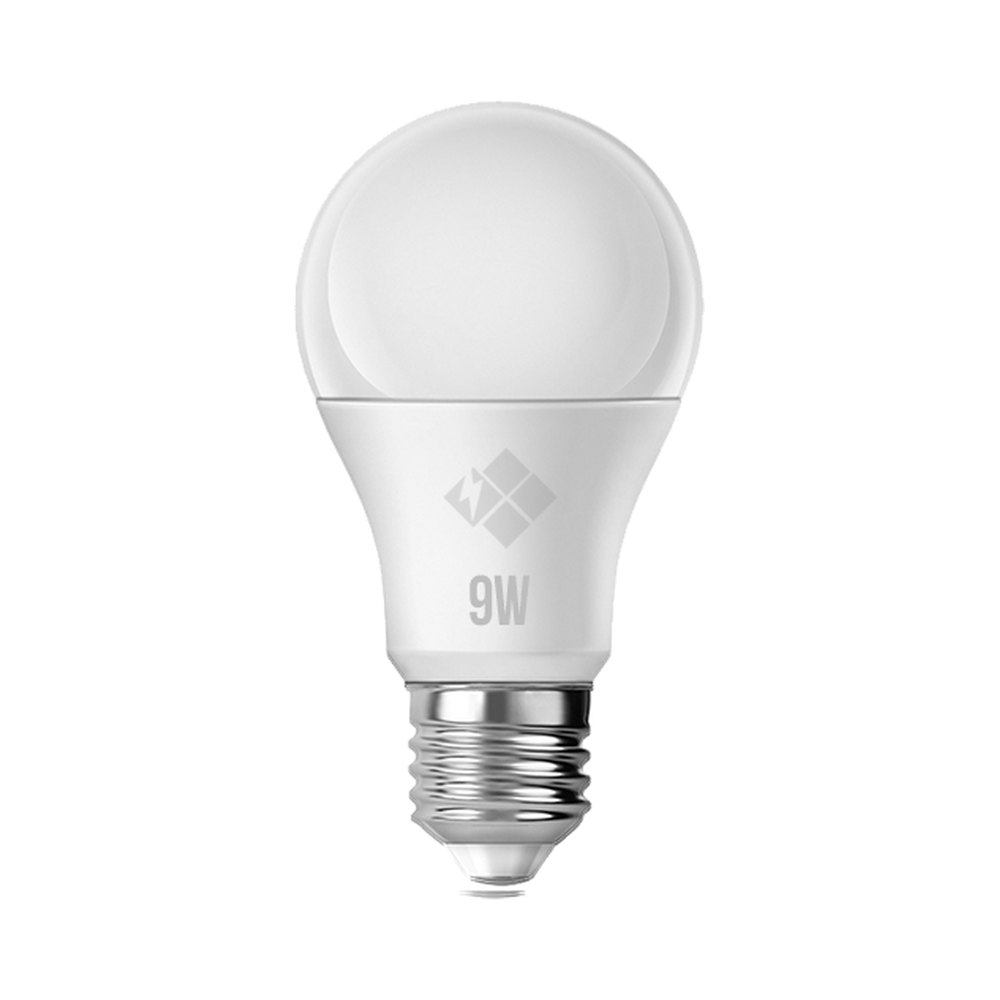
You are changing a bulb on the stairs and it slips out of your hand. In one case it bounces and rolls away; in another the floor is covered in sharp fragments. The difference comes down to the material of the envelope. Both plastic and glass are common on modern LED bulbs, and each has its strengths and weaknesses.
What bulb envelopes are made of
"Plastic" on an LED bulb usually means polycarbonate, a thermoplastic that can be made clear or frosted and is very resistant to impact. The white diffuser dome on most classic pear-shaped LED bulbs is polycarbonate.
Glass envelopes are used on filament bulbs, decorative models and bulbs designed to look traditional. In a filament bulb, glass is not just a matter of looks: the envelope must be sealed to hold the heat-conducting gas inside, and glass does that job.
Some manufacturers add a thin clear plastic coating over a glass envelope. If such a bulb breaks, the fragments stay inside the coating instead of scattering.
Impact and shard risk
The main advantage of polycarbonate is toughness. A polycarbonate bulb dropped from normal height often does not break, and even when it does, it does not split into sharp shards. That makes it a sensible choice for:
- children's rooms and play areas, especially where balls fly around;
- sports halls and workshops;
- food production and warehouses, where glass fragments getting into products is a serious problem;
- places exposed to vibration, such as fittings near machinery;
- high ceilings where bulbs are changed from a ladder.
Glass is more sensitive to knocks and produces sharp pieces when it breaks. In a filament bulb, a broken envelope also means losing the gas inside; even a small crack can shorten the bulb's life.
Plastic is not truly unbreakable either. Polycarbonate becomes more brittle in frost, and plastic that has spent years in heat and sunlight can crack on impact. And a bulb that falls from a height onto a concrete floor may keep its dome intact while the driver or solder joints inside are damaged. If you refit a dropped bulb, watch for flicker, noise or heat the first time you switch it on.
Scratches, yellowing and appearance
Glass has its own advantages. It is hard and does not scratch during normal cleaning. It does not change colour under ultraviolet light or heat, staying clear for years. That is why a glass bulb looks cleaner and livelier in decorative fittings where the bulb is on show and in traditional interiors.
Polycarbonate is softer and can turn dull if wiped with abrasive products. Low-grade polycarbonate tends to yellow after long exposure to sunlight or high temperatures, which spoils its looks and tints the light slightly towards yellow. Better products use UV-stabilised material, which reduces the problem considerably.
Light and heat
A frosted polycarbonate dome hides the bright points of the LED chips and spreads the light evenly, although some of the light is absorbed by the material. Clear glass absorbs little but does not hide the bright source, so clear bulbs can cause more glare when you look at them directly.
In terms of heat, an ordinary LED bulb runs well within normal limits for both materials. A plastic-envelope bulb sheds most of its heat through the heat sink near the cap, while a filament bulb releases its heat through the glass.
Cleaning and care
- Wipe a bulb only after switching it off and letting it cool.
- Clean polycarbonate with a dry or slightly damp soft cloth; acetone, strong solvents and abrasive powders can cause cracking and cloudiness in the plastic.
- Glass can be wiped with a damp cloth, but do not let water run down to the cap or holder.
- Grip the bulb by its base, not its glass, when fitting it.
If the envelope breaks
If a glass bulb breaks in its holder, first switch off the light at the wall and, if possible, at the consumer unit. Collect the fragments wearing thick gloves, and remove the cap left in the holder carefully with pliers only once the power is fully off. A damp cloth or sticky tape picks up small pieces from the floor more reliably than a broom.
Overall the choice is simple: when safety and impact risk come first, plastic is the better fit; when appearance, clarity and long-term colour stability matter most, glass wins.
You will find both options in Zəfər İşığı's range: ordinary LED bulbs and glass filament candles. The product pages show which envelope each model comes with.
All news