
Will an old 12 V halogen transformer run LED MR16s?
Swapping old halogen spots for LED MR16s often exposes a transformer problem: flicker, cut-outs, buzzing. How to identify the transformer type and fix it properly.
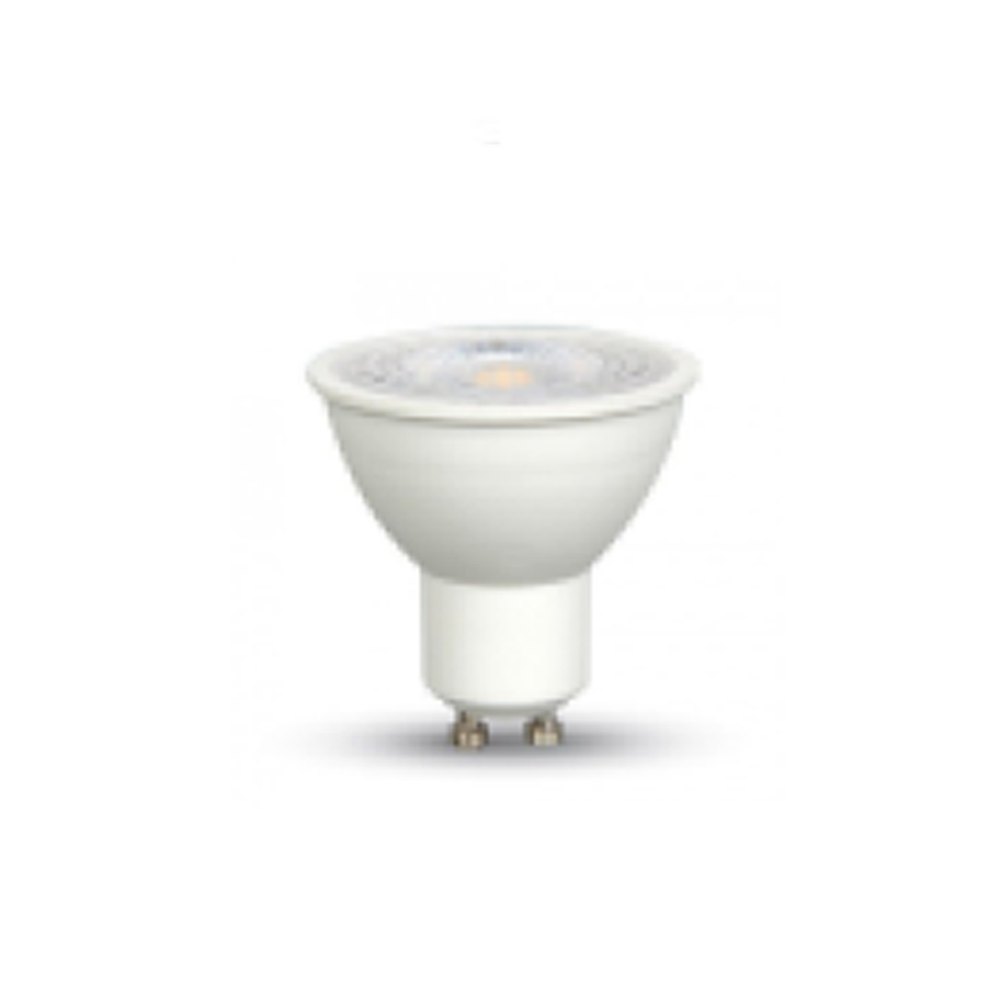
Dozens of small halogen spots in a suspended ceiling, each holding a 12-volt MR16 lamp with a G5.3 base, was a very common setup ten or fifteen years ago. Today many people in those homes want to replace the halogens with LEDs, since halogen spots run very hot and burn out quickly. Changing the lamp is easy, but the transformer hidden in the ceiling can cause an unexpected problem.
How the system is built
An MR16 halogen lamp does not run on the 220–230 volt mains but on 12 volts. To step the voltage down, there is a transformer next to each spot or group of spots, usually inside the suspended ceiling and reachable through the fitting's cut-out.
Transformers come in two main types:
- Magnetic (electromagnetic) transformers: heavy devices with an iron or toroidal core and windings. They output ordinary 50 hertz alternating voltage.
- Electronic transformers: small, light units in a plastic case. They are really switch-mode converters and produce a high-frequency output.
You can identify the type from the label on the case, its weight and its size. Electronic units usually carry the words "electronic transformer" and a wattage range.
The minimum load problem with electronic transformers
Halogen transformers are designed for a specific wattage range. If the case says "20–60 W", for example, the transformer only works reliably within those limits. The lower figure is the minimum load.
With halogen lamps that was not an issue: a single spot often drew as much as, or more than, the minimum load. An LED MR16 lamp uses far less power for the same light. The load on the transformer falls below its minimum, and the electronic unit cannot operate properly.
The symptoms are familiar:
- the lamp blinks or flickers constantly;
- the light stays on for a few seconds or minutes, then goes out and comes back;
- the lamp does not light at all;
- the transformer or the lamp makes a faint buzzing sound;
- the LED lamp fails sooner than expected.
If several spots share one transformer, their combined wattage may reach the minimum and the system may work. That is a solution based on luck, however, and the result depends on the lamp model.
The situation with magnetic transformers
Magnetic transformers usually have no minimum load and work with LED MR16s in more cases. Even so, there can be issues: the transformer may hum faintly, its output voltage runs a little above nominal at light load, and some LED lamp drivers flicker with it. Again, if the lamp packaging has information on transformer compatibility, check it.
The right solutions
The most reliable options are:
- Replace the transformer with an LED driver. A 12-volt constant-voltage LED power supply needs no minimum load and is designed for LED lamps. One unit can feed several spots; choose its wattage with some headroom above the total wattage of the lamps.
- Switch to a 230-volt system. Replace the spot lampholders with GU10 holders and fit mains-voltage GU10 lamps. The transformer is removed altogether, leaving one less device inside the ceiling. The wiring work should be done by a qualified electrician.
- Choose a lamp with confirmed compatibility. Some LED MR16 lamps state on the packaging that they work with electronic transformers. This avoids changing the system, although results may not be the same with every transformer model.
What moving to LED gains you
A halogen MR16 lamp gives off most of its energy as heat, and its dichroic reflector sends part of that heat backwards into the ceiling void. In spots that have run like this for years, brittle lampholders, hardened cable insulation and yellowing of the ceiling material around the fitting are common. Moving to LED lamps greatly reduces that heat load.
In a halogen system the transformer itself also wastes energy and gets hot. Replacing it with an LED power supply, or switching to GU10, reduces the number of heat sources inside the ceiling. Electricity use falls as well, since less power is needed for the same light.
When planning the switch, think about the character of the light too. Halogen spots came with narrow or wide beam angles, and the pools of light in the room were shaped by them. Checking the beam angle on the packaging when choosing LED lamps helps keep the lighting looking as it did before.
Checklist for the changeover
- Open up one of the ceiling transformers and note its type and wattage range.
- Find out how many spots are connected to each transformer.
- Test one or two spots first and watch for flicker or cut-outs over a few days.
- If most transformers are old, consider replacing them with LED supplies or moving to GU10.
- Check whether years of halogen heat have damaged the lampholders or the cable insulation.
The Zəfər İşığı catalogue includes spot lamps with G5.3 and GU10 bases, as well as an adjustable 3D spot. On the Zaferoğlu Elektrik website you can read the descriptions of these models and pick the one that suits the system in your ceiling.
All news