
How voltage drops and surges affect LED bulbs
Lights dimming in the evening, bulbs dead after the power comes back: all of it comes down to the supply. How voltage changes affect LEDs and how to protect them.
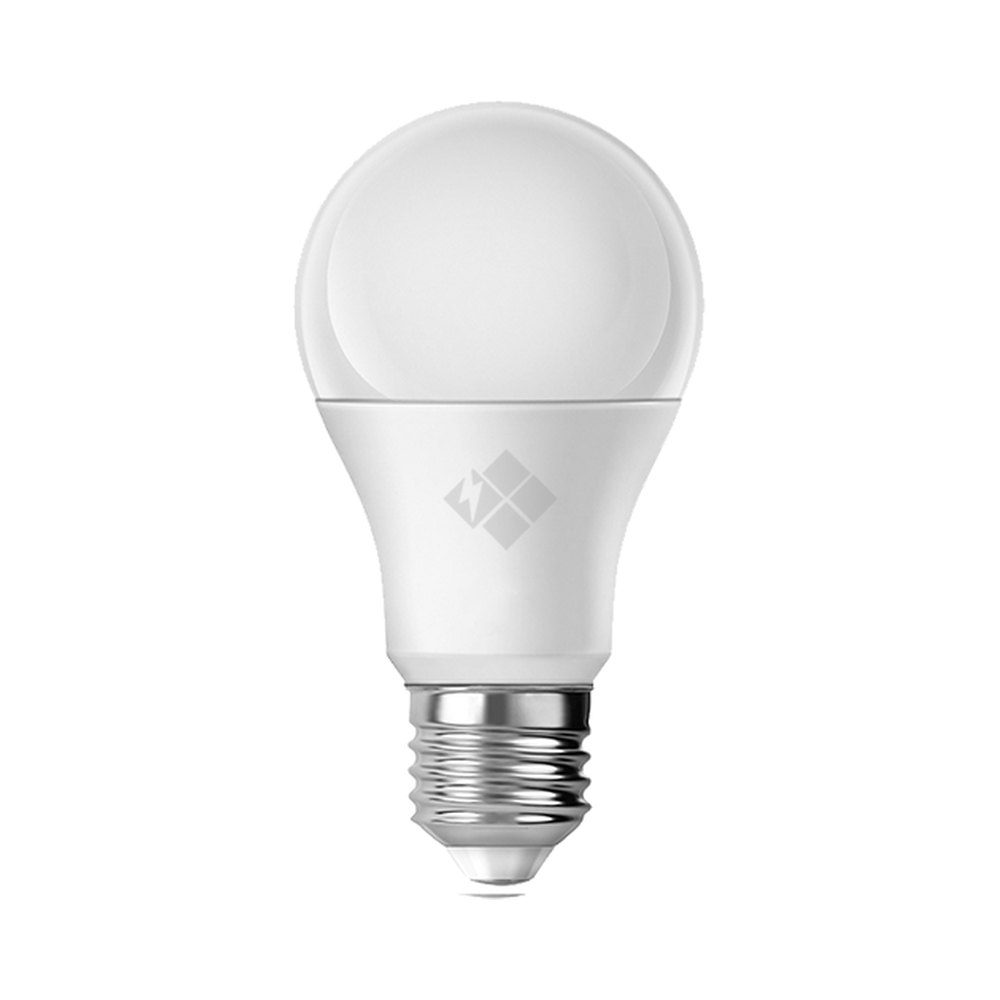
In the evening, when everyone gets home, the light dims slightly. When the air conditioner kicks in, the lamps "blink" for a moment. After a power cut, one or two bulbs no longer come on. Many households will recognise this picture. LED bulbs react to supply problems differently from incandescent ones, and understanding that difference helps with both choosing the right bulb and protecting the home.
What changes on the supply
In Azerbaijan the nominal household supply is 220–230 volts at 50 hertz. The real voltage is never perfectly steady, though. The variations fall roughly into three groups:
- sustained undervoltage: at peak hours, or in homes at the far end of a long line, the voltage stays below nominal for hours;
- short dips: when a heavy appliance starts, the voltage drops for less than a second and then recovers;
- surges and spikes: very brief but high-voltage pulses during lightning, when large loads are switched off, or from transients when power is restored.
There is also a separate and dangerous case. In apartment blocks, if the neutral conductor of the three-phase supply breaks, the voltage shoots up in some flats and drops in others. That is a serious fault not just for bulbs but for every electrical appliance.
The signs of a broken neutral are often obvious straight away: in one room the bulbs burn unusually bright and quickly fail, in another the light is very dim, and appliances behave strangely. If this happens, switch off the main switch in the distribution board at once and call the electricity supplier or an electrician.
The driver determines the response
How an LED bulb responds to voltage changes depends on the driver inside.
The simplest drivers pass the voltage almost straight through to the LEDs. The brightness of such a bulb follows the voltage: when the voltage falls the light dims, and small dips show up as visible flicker.
More sophisticated switch-mode constant-current drivers feed the LEDs the same current across a wide voltage range. In such a bulb, the light barely changes as the voltage falls, up to a point. Once it drops below that limit, though, the bulb may suddenly go out or start blinking.
Incandescent bulbs behaved differently: when the voltage fell the light noticeably dimmed and turned yellowish, and when it rose the filament burned out sooner.
Why surges are more dangerous
Low voltage rarely damages an LED bulb; it just makes it work poorly. A brief high-voltage pulse, however, does direct harm. The driver may have a protective component at its input, but its capacity is limited. A strong pulse can destroy that component, the rectifier diodes or a capacitor.
A typical scenario: the power goes off, comes back after a while, and several bulbs in the house fail at the same moment. At that instant every appliance starts up at once and the network goes through a transient. That is why unplugging heavy appliances during a power cut is a useful habit.
Protecting the home
Protecting bulbs one by one is hard, but protective devices installed in the home's distribution board shield everything, including the lighting:
- voltage monitoring relay: disconnects the home when the voltage leaves the permitted range and reconnects it after a delay once it is back to normal. It is especially useful in faults such as a broken neutral;
- surge protective device: diverts brief high-voltage pulses to earth. To work properly it needs a reliable earthing system in the building;
- voltage stabiliser: evens out the voltage where sustained undervoltage is common. It may not be needed for lighting alone, but it can cover the lighting circuit along with sensitive equipment.
Fitting such protection involves opening the fuse board, so leave the selection and installation to a licensed electrician.
What to check when choosing bulbs
- See whether the packaging states an input voltage range; a bulb with a wider range copes better with dips.
- In homes where the voltage often sags, bulbs with the most basic drivers will flicker more.
- Dips are more noticeable when lighting shares a circuit with heavy appliances; if possible, keep lighting on a separate circuit.
- If bulbs keep failing at the same moment, have the supply checked instead of buying more bulbs.
In short
Voltage drops mainly affect the quality of the light, while surges affect the life of the bulb. The first problem is eased by bulbs with a suitable driver; the second can only be solved with protection at the distribution board. Either way, knowing the cause saves unnecessary spending.
Simple notes help track the cause down: write down at what times the light dims, which appliance triggers flicker when it starts, and on what day and after what event bulbs failed. Those notes let an electrician pinpoint the problem faster and more accurately.
Zaferoğlu Elektrik, whose office is in Babək Plaza on Babək Avenue in Baku, manufactures Zəfər İşığı lamps in Ganja. The technical details of a particular model can be checked in the catalogue or asked about through an offer request.
All news