
Why the plastic cover of an LED bulb turns yellow
A white plastic cover yellows because of heat, sunlight, chemical exposure and material quality. How to tell the cause and what to do.
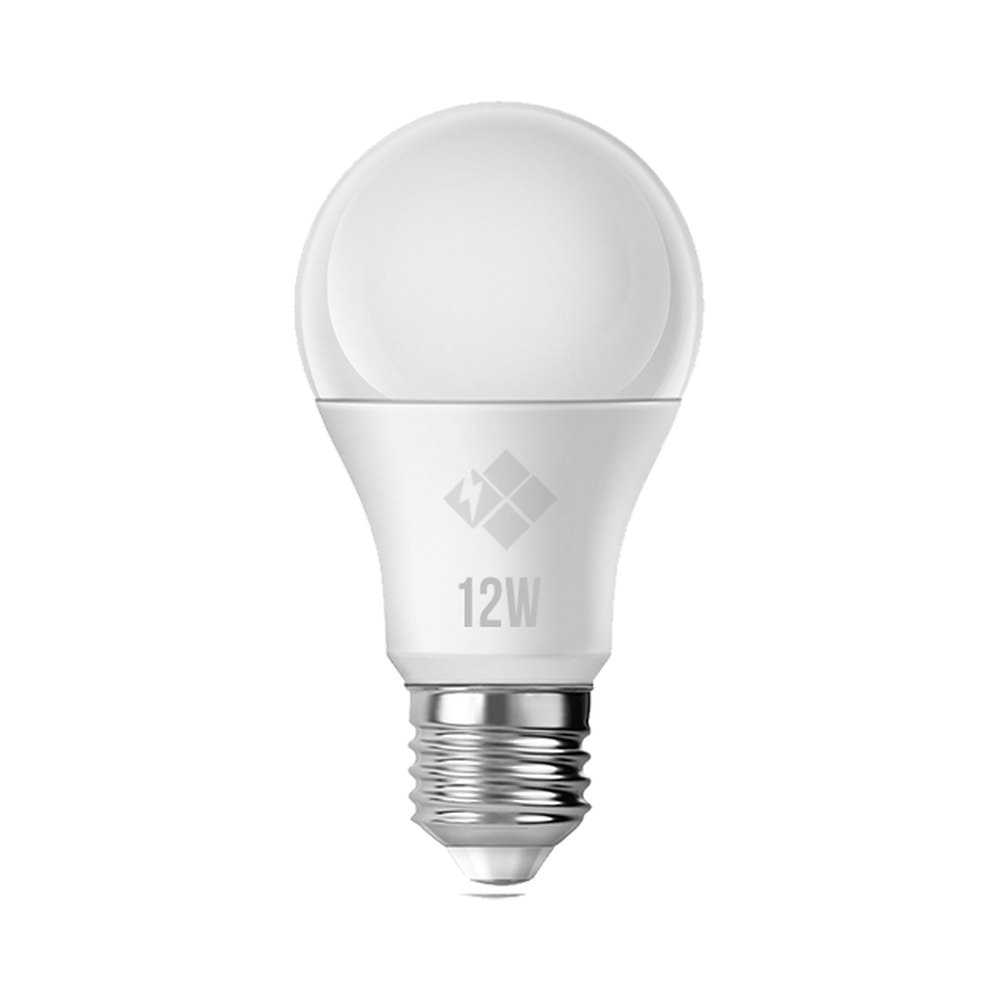
Take out an LED bulb that has been in use for a few years, put it beside a new one, and the difference is obvious: the old bulb's white cover has turned cream or pale yellow. Sometimes you notice it with the light on as well, as the light looks warmer and duller than before. Yellowing is one of the most common signs of ageing in bulbs with plastic covers, and it has several causes.
What the cover is made of
In most household LED bulbs the cover is made of a clear plastic such as polycarbonate or acrylic, with a diffusing additive mixed in or applied to the surface to spread the light. These materials are lighter than glass, do not shatter into shards when dropped and are easy to shape. But plastic is made of polymer chains, and those chains change slowly under the influence of heat, ultraviolet radiation and certain chemicals. Yellowing is the visible result.
Manufacturers add stabilisers to the plastic to slow this process. Because the type and amount of stabiliser affect the cost of the material, cover durability varies from bulb to bulb.
The main causes
1. Heat. The LED board sits right under the cover, and some of its heat passes into the cover. When a bulb runs in an enclosed shade, a small lampshade or cap-up, warm air lingers around the cover, the temperature rises and the plastic ages faster. The effect is more pronounced in bulbs that run for long periods without a break.
2. Sunlight. LED chips themselves emit practically no ultraviolet, but sunlight contains plenty. A bulb on a balcony, in a yard, behind a shop window or anywhere in direct sun yellows much faster than one indoors, even if it is switched off during the day.
3. Chemical exposure. Cigarette smoke, cooking vapour and some cleaning products leave a film on the cover or react with the plastic. A smoke film can often be partly wiped off, but damage done to plastic by solvents does not reverse.
4. Material quality. Plastic with little stabiliser, or with a high share of recycled raw material, changes colour faster under the same conditions.
How yellowing affects the light
Yellow plastic absorbs more of the blue part of the light. Two things follow: the bulb gives less light, and the light looks warmer. Cool white can come to look neutral over time, and neutral can look warmer. The difference is most striking when new and old bulbs sit side by side in the same room.
Telling yellowing apart from colour shift
Light colour can also change for another reason: ageing of the chip and phosphor layer. A few simple checks show which is happening:
- Look at the cover in daylight with the bulb off. If the cover looks yellow when unlit, the cause is the plastic. If it looks white but the light is still yellowish, the cause lies more with the chip and phosphor.
- Compare with a new bulb of the same model. Comparing the colour of the two covers while both are off gives the clearest answer.
- Wipe the surface. If the colour improves after wiping with a cloth dampened in mild soapy water and wrung out well, part of the problem was a surface film.
What you can do
Yellowing that has happened within the plastic itself cannot be undone. Using strong chemicals or sandpaper to whiten the cover is risky: the surface is damaged, and the bulb can come apart or be harmed. If light output and colour matter to you, replacing the bulb is the right course.
To slow yellowing down, keep these points in mind:
- if the shade is sealed and airless, make sure the box allows use in closed fittings;
- outdoors and in sunny spots, use fittings and bulbs designed for that purpose;
- do not wipe covers with alcohol, acetone or solvent-based products;
- in kitchens and smoky rooms, clean covers gently from time to time;
- if colour consistency in a room matters, check the neighbouring bulbs whenever you replace one.
Both envelope types are part of the Zəfər İşığı line: regular LED bulbs with plastic domes and filament lamps in glass. The cover material of a specific model can be checked on its product page or confirmed with the company.
All news