
Is the heat from incandescent bulbs “free heating” in winter?
An incandescent bulb turns most of its energy into heat. Is that heat really useful in winter, or is it an expensive, inefficient way to warm a room?
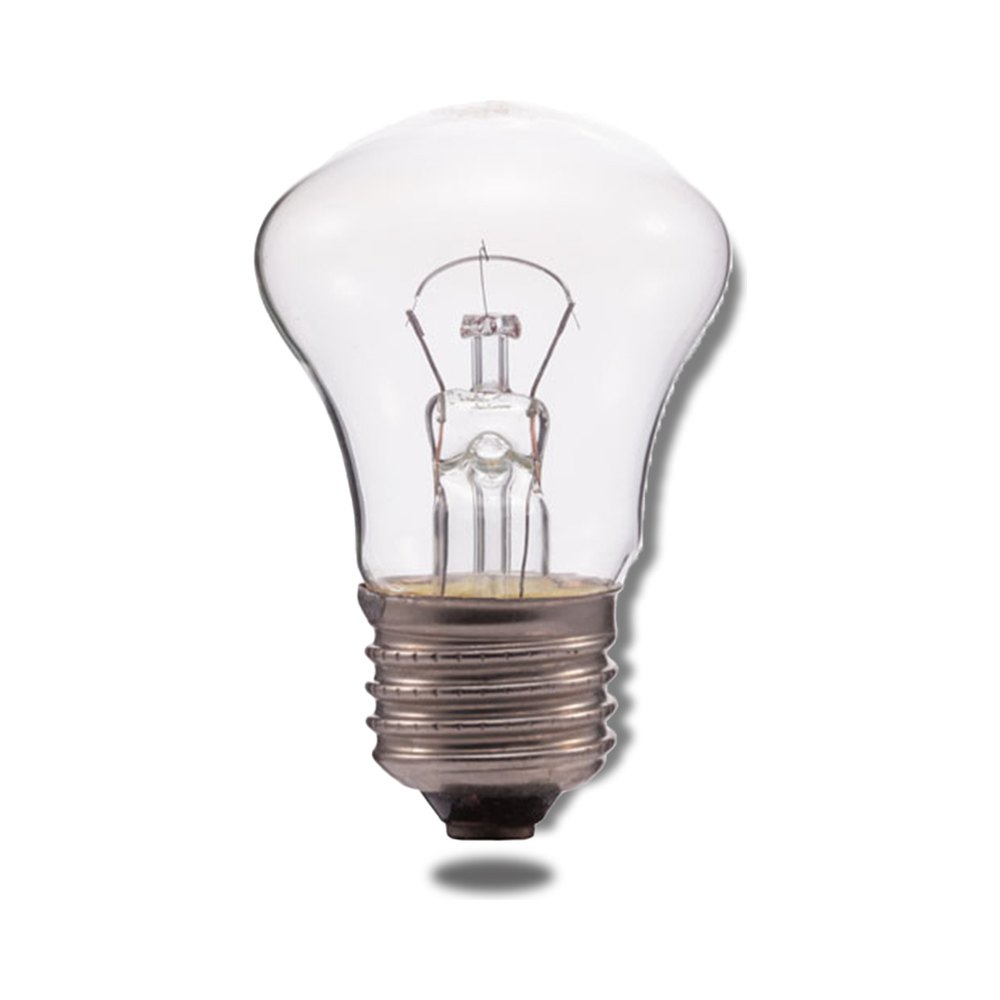
Whenever switching to LED comes up, someone objects: “Incandescent bulbs give off heat, they warm the room in winter, so the loss isn't that big.” There is some truth in the argument, but the conclusion is not as simple as it looks. The question is worth taking apart from the angles of physics, heating systems and everyday life.
Where the energy goes in an incandescent bulb
An incandescent bulb makes light by heating a thin tungsten filament to a very high temperature. Only a small part of the electrical energy becomes visible light; most of it leaves as infrared radiation and heat. That is the warmth you feel when you hold a hand near the bulb.
By conservation of energy, this heat does not disappear. It passes into the air, the ceiling and the lampshade. Even the part that leaves as light lands on walls and furniture and ends up as heat. In that sense, in a closed room all the electricity fed to the bulb eventually stays in the room as heat. That is the correct part of the argument.
So why is it poor heating?
The problem is not that heat is produced, but where, when and at what cost it is produced.
- Location. Bulbs usually hang at or near the ceiling. Warm air rises and collects under the ceiling, and little of it reaches the lower part of the room where people sit. A radiator or an air conditioner distributes heat lower down and more evenly.
- Timing. A bulb is on when you need light, not when you need warmth. At midday in winter or in an empty room it is off; in summer the same heat becomes extra work for the air conditioner.
- Control. A heating system has a thermostat; a bulb does not. Its heat is not regulated, it is simply added.
- Cost of the source. Turning electricity directly into heat is the most expensive way to heat many homes. If there is a gas boiler or a heat-pump air conditioner, they usually deliver the same amount of heat more cheaply.
How the heating system changes the picture
If a home is heated by gas, the boiler makes up for the heat lost when bulbs are switched to LED. Because heat from gas is often cheaper than heat from electricity, the overall balance still favours LED.
If the home is heated by an air conditioner in heating mode, that unit often delivers more than one unit of heat for every unit of electricity it uses. Getting the same heat from an incandescent bulb is therefore less efficient.
Only where a home is heated entirely by simple electric heaters, and the bulb's heat genuinely stays in the room, does the winter difference between the two narrow. Even then the location and timing problems remain, and in summer the incandescent bulb becomes a straight loss.
The summer side
In much of Azerbaijan the hot season is long. During those months every watt of heat from a bulb warms the room, and the air conditioner has to work harder to remove it. So an incandescent bulb costs you twice in summer: the power the bulbs draw and the additional work the air conditioner must do. Over a full year, the winter “bonus” rarely covers the summer loss.
A safety point
Heat is not always welcome. A powerful incandescent bulb warms fabric shades, plastic diffusers and nearby curtains. In a small enclosed fitting, high temperatures age the lampholder and wire insulation prematurely. The maximum wattage marked on a fitting exists precisely because of this heat risk.
The practical takeaway
- Use a heater for heat and a light source for light.
- If you want a warmer room in winter, checking window seals, gaps under doors and curtains does more good than any bulb.
- Switching to LED may shift the heating bill slightly, but the drop in lighting costs and the benefit in summer usually outweigh it.
- If you keep old incandescent bulbs for a specific reason, such as a heat source for animals or plants, a device designed for that purpose can do the job better.
The Zaferoğlu Elektrik catalogue includes both LED lamps and incandescent lamps of various wattages, and knowing which suits which job makes the choice easier. Zəfər İşığı LEDs are lighting products, not heaters.
All news