
How big a share of home electricity goes on lighting
Lighting's share of household consumption differs from home to home. Instead of trusting a ready-made percentage, here is how to work it out for yours.
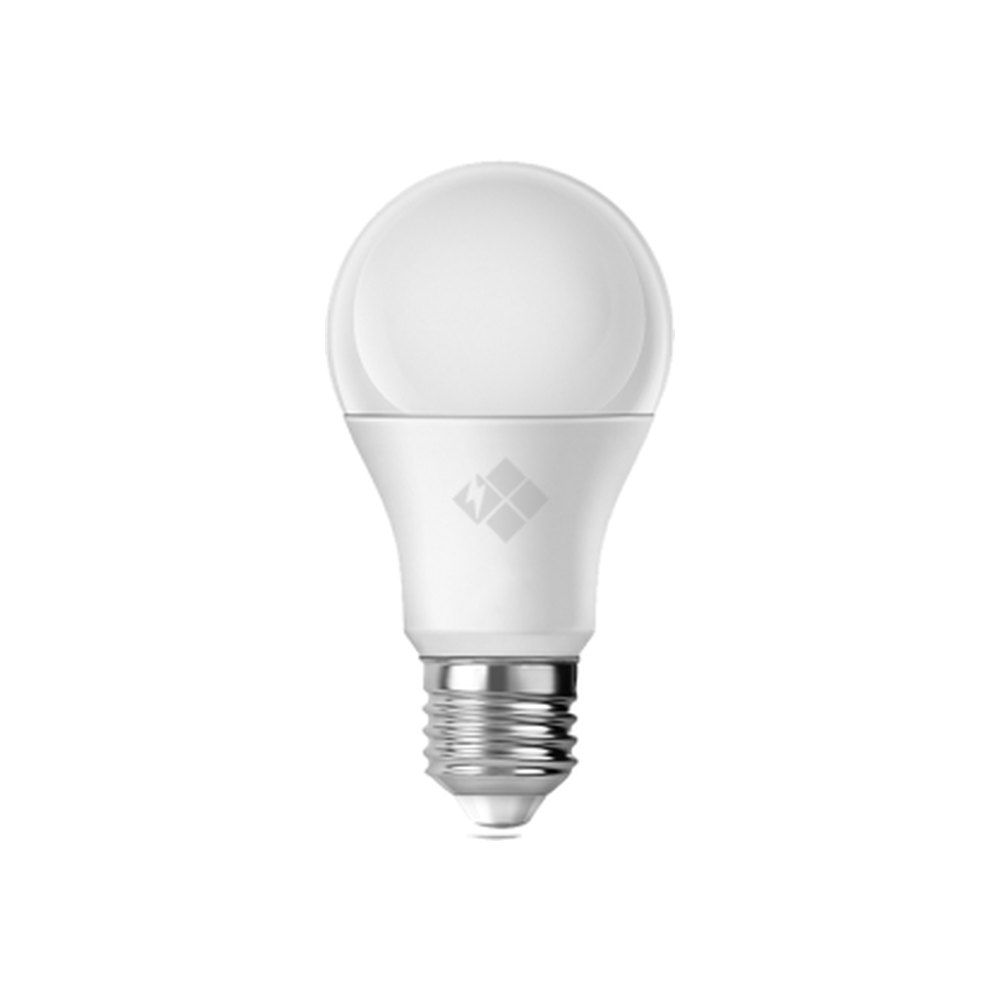
When the electricity bill arrives, many people suspect the lights first: “we need to switch things off”. Sometimes that is right; sometimes the real cause is the air conditioner, an electric water heater or an old fridge. Without knowing how much of the total goes on lighting, savings efforts become guesswork. The good news is that you can estimate this share at home with simple arithmetic.
Why a ready-made percentage does not work
Online you will find all sorts of figures for lighting's share of household consumption. Each one relates to a particular country, year and type of home. Your home may look completely different:
- if heating or hot water is electric, lighting's share shrinks;
- if you use a gas boiler and gas cooker, lighting's share is relatively larger;
- if every lamp is LED, the share is much smaller than in a home still using incandescent bulbs;
- if the family is home in the evenings and there are many rooms, operating hours rise.
So it is more useful to calculate your own numbers than to borrow someone else's percentage.
Working out monthly lighting consumption
For each room you need three things: the number of lamps, the wattage of each and the average hours of use per day. Multiply the number by the wattage, multiply the result by the hours, then divide by a thousand to get kilowatt-hours per day. Multiply by thirty for the monthly figure.
Example: in a living room, four lamps of ten watts each are on for five hours a day. Four times ten is forty watts; forty times five is two hundred watt-hours, or 0.2 kilowatt-hours a day. Over a month that is about six kilowatt-hours. Repeat for every room and add the results together.
To estimate hours properly, observe for a day or two. Alongside the main evening lights, remember the kitchen light switched on early in the morning and short bursts of use in the hallway.
Comparing with total consumption
Now take the home's total consumption from the monthly bill or meter readings. Divide your lighting figure by the total and multiply by a hundred to get lighting's percentage.
Bear in mind that the result changes with the seasons. In winter the evenings are long, so lights are on for longer; in summer air conditioning raises the total and lighting's share falls. Calculating for two different months gives a more realistic picture.
You can also run a small test with the meter. One evening, with the major appliances in their usual state, record the meter over an hour with all the lights on, then over the same period with the lights off. The difference gives a rough hourly figure for lighting. The method is not precise, because appliances like the fridge cycle on and off by themselves, but it helps confirm that your calculation is heading in the right direction.
What to do with the result
If lighting turns out to be a large share, the most effective steps are:
- switching the longest-running lamps to LED first, usually in the living room, kitchen and hallway;
- cutting unnecessary lighting with separate switch groups, sensors and local lights;
- replacing over-powered lamps with ones that suit the room's actual needs.
If the share is small, that suggests you have already moved to LED or use little light. Then the bigger savings lie elsewhere in the house: the air conditioner's temperature setting, the water heater's running times, the condition of the fridge.
Common mistakes
- Entering the incandescent equivalent instead of the real wattage. An LED box may say “60 W equivalent”, but the calculation needs the actual power.
- Counting all the bulbs in a chandelier as one lamp.
- Forgetting small sources that are always on, such as night lights or aquarium lamps; their wattage is low but their hours are long.
- Drawing an annual conclusion from a single month.
Quick checklist
- Lamp count and real wattage recorded for every room.
- Daily hours based on observation.
- Monthly lighting consumption calculated.
- Compared with the total on the bill.
- Winter and summer checked separately.
To speed up the calculation, you can use the savings calculator on the website. If you are thinking of switching to Zəfər İşığı bulbs, take their rated watts from the catalogue and run the same calculation.
All news