
Using the savings calculator: entering the right figures
A calculator is only as accurate as the figures you give it. Here is how to work out lamp count, old wattage, hours of use and tariff step by step.
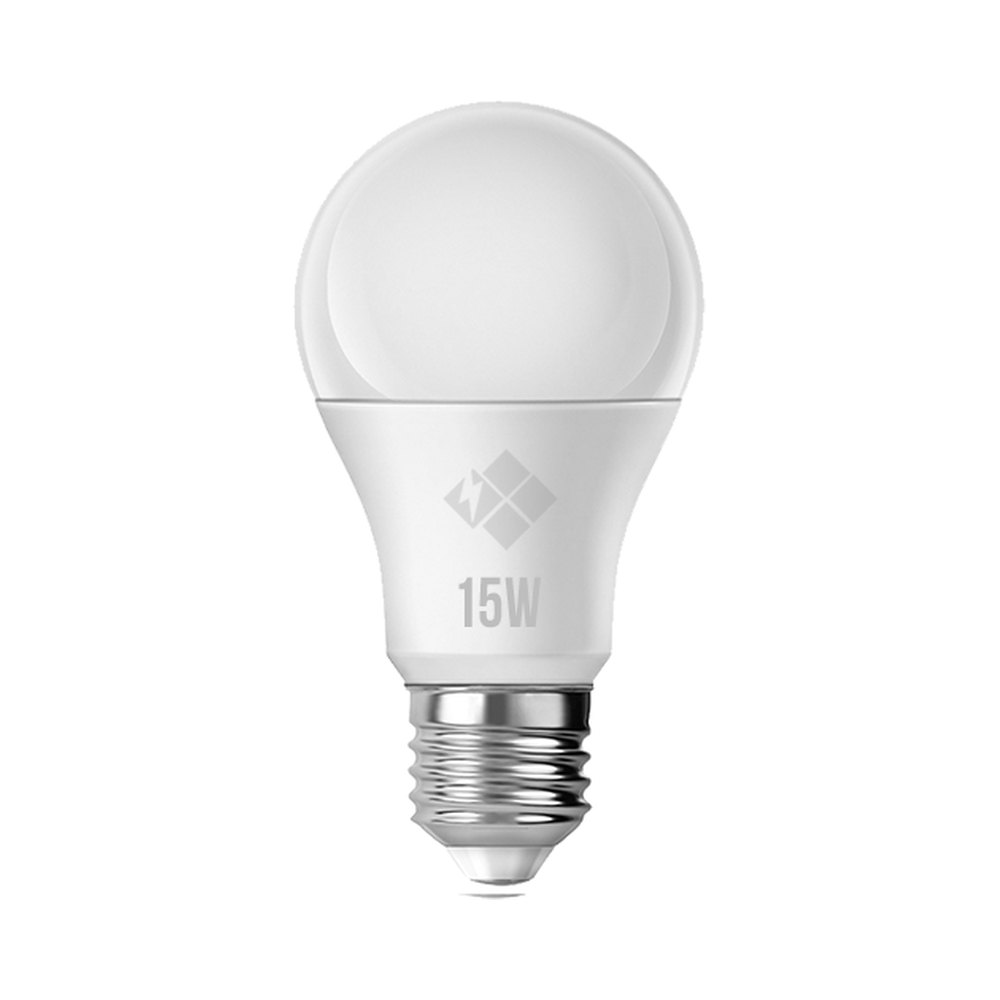
The savings calculator on the website answers one simple question: if you replace your old lamps with LEDs, how much less energy will you use each year? The maths is transparent, but whether the result reflects reality depends entirely on what you type in. A guessed number of hours or a wrong wattage can inflate or shrink the answer several times over.
What the calculator works out
The formula is not hidden. Annual consumption is: number of lamps × lamp wattage (divided by a thousand to get kilowatts) × hours per day × 365 days. This is calculated separately for the old lamps and for the chosen LED, and the difference is shown as the saving. When you enter the price per kilowatt-hour, the same difference is converted into money, while the carbon dioxide figure is an estimate based on a fixed factor per kilowatt-hour.
In other words, the calculator does not take account of lamp life or purchase price. It shows only the difference in energy. Knowing that helps you interpret the result correctly.
Before opening the calculator, take a pen and paper and make a short list of the home or premises. Write down each room, how many lamps it has and roughly how long they are on. Five minutes of preparation saves you from changing figures one by one and recalculating over and over, and it makes you more confident in the answer.
Number of lamps and old wattage
Count the lamps room by room rather than writing a rough figure. In chandeliers, count every arm as a separate lamp. If you have different kinds of lamp, say incandescent bulbs on the ceilings and compact fluorescents in the hallway, running the calculation for each group separately gives a more accurate result.
Read the wattage of the old lamp from the lamp itself. On an incandescent bulb it is usually printed on the glass or the cap. When you choose an LED product, the field fills automatically with that product's approximate incandescent equivalent. If the lamp in your home is different, change the number by hand; the calculator lets you do that.
If you are replacing compact fluorescent lamps, enter their own wattage, not their incandescent equivalent. Otherwise the saving will look much bigger than it really is.
Hours per day
This is where most mistakes happen. People tend to say “it's on in the evening” and enter a high figure. But winter and summer evenings differ, weekends follow another pattern, and in some rooms the light is on for only half an hour.
For a realistic number:
- note for a few days when the lights in the main rooms go on and off;
- take an average of summer and winter months;
- calculate short-use spaces such as the hallway and bathroom separately;
- for an office or shop, start from the working hours but remember the weekend, because the calculator treats the year as 365 days.
For an office open five days a week, entering slightly fewer daily hours than a working day, for example the weekly total divided by seven, gives a fairer average.
The tariff field
Take the price per kilowatt-hour from your latest electricity bill. Tariffs can vary with consumption level and customer type: household, commercial or tiered. If the bill does not make the applied rate clear, check the official information from your electricity supplier. The default price shown in the calculator is only a starting point and may not match your situation.
Reading the result
Use the figures to make a practical decision, but keep a few points in mind:
- the percentage saving does not depend on lamp count or hours; it only reflects the ratio of old to new wattage;
- the kilowatt-hour difference depends directly on hours of use, so changing lamps in a rarely used room saves little;
- the carbon dioxide figure is an estimate based on an average factor;
- if you want to check the result against your meter, record readings over the same period before and after the change, remembering that the meter covers every appliance together.
Quick checklist
- Lamps counted room by room.
- Old wattage read from the lamp.
- Different lamp types calculated separately.
- Hours based on observation, with seasons taken into account.
- Tariff taken from the latest bill.
The calculator uses the rated wattage of the LED lamps in the Zəfər İşığı catalogue. Zaferoğlu Elektrik products are made at the plant in Ganja; if you have questions about a specific model, the technical information is on its catalogue page.
All news