
Changing bulbs on high ceilings: why long life matters
On a ceiling you cannot reach with a stepladder, replacing a bulb means extra labour, time and risk. How to account for that hidden cost and reduce it.
In an ordinary room, replacing a dead bulb takes a minute: a chair, two movements, done. In a double-height lobby, a warehouse, a sports hall or a villa living room with a gallery, the same job is a different matter entirely. There, getting the bulb into place costs far more than the bulb itself. That is why reliability deserves as much attention as energy use when you choose lamps for a high ceiling.
The hidden cost: labour, equipment, downtime
Replacing a single lamp on a high ceiling usually involves:
- a long ladder, scaffolding or a lifting platform, sometimes hired in;
- at least two people, one working and one steadying the equipment and keeping the area below clear;
- clearing the work area, which can mean blocking warehouse aisles, pausing training sessions or holding back shoppers;
- electrical safety steps: isolating the circuit, opening the fitting and closing it again.
None of this appears on the bulb's price tag, yet it repeats with every replacement. In a building with many fittings, if lamps fail at different times, the electrician may need to be called out several times a year.
The risk side should not be forgotten either. Working at height always carries the danger of falls and dropped tools. The fewer replacements there are, the less often people need to go up. Many organisations also require separate procedures and permits for work at height, which lengthens the process further.
Replacing in groups, not one by one
A common approach in large premises is planned group replacement. Instead of waiting for lamps to fail individually, all the lamps in a zone are changed at once when they reach a set number of hours or their output has visibly dropped. The platform is brought in once, the job fits into a single day, and the light in the zone stays even.
For this to work, a zone needs the same model of lamp throughout. Lamps from different manufacturers, or even different batches, dim at different rates and can also look slightly different in colour.
What to look for when choosing lamps
When choosing an LED lamp or fitting for a high ceiling, do not stop at wattage and price. These questions matter more:
- Under what conditions did the manufacturer state the lifetime? LED life is governed mainly by heat, and the air just below a ceiling is usually warmer.
- Is the fitting enclosed? In a sealed shade the driver and diodes run hotter, which shortens their life. Ventilated or open designs have the advantage here.
- Is the supply voltage stable? On a network with frequent fluctuations the driver is under extra stress. In such buildings, ask an electrician about a stabiliser or surge protection.
- In what position will the lamp be mounted? Some large-bodied lamps shed heat better pointing down, and manufacturers sometimes give specific instructions.
- Will the same model still be available in a few years? Keeping a few spares is a sensible idea.
Ways to replace lamps less often
Beyond the lamp itself, operating conditions play a big role. Switching lights off when an area is not in use, splitting zones into separate circuits and using sensors where there is daylight all cut the total operating hours, so the same lamp lasts longer.
Keeping fittings clean also matters. In warehouses and workshops, a layer of dust both reduces the light and hampers heat dissipation. A scheduled cleaning day can be combined with a lamp inspection, since the lifting platform is already on site.
A simple way to compare options
To see which option pays off, build a small table: purchase cost of the lamp, labour and equipment cost per replacement, expected replacements per year, and energy use. The gap between a cheap lamp that fails early and a more reliable one very often shows up in the replacement line. In a low-ceilinged room that line looks negligible; in a tall space it can become the largest part of the total.
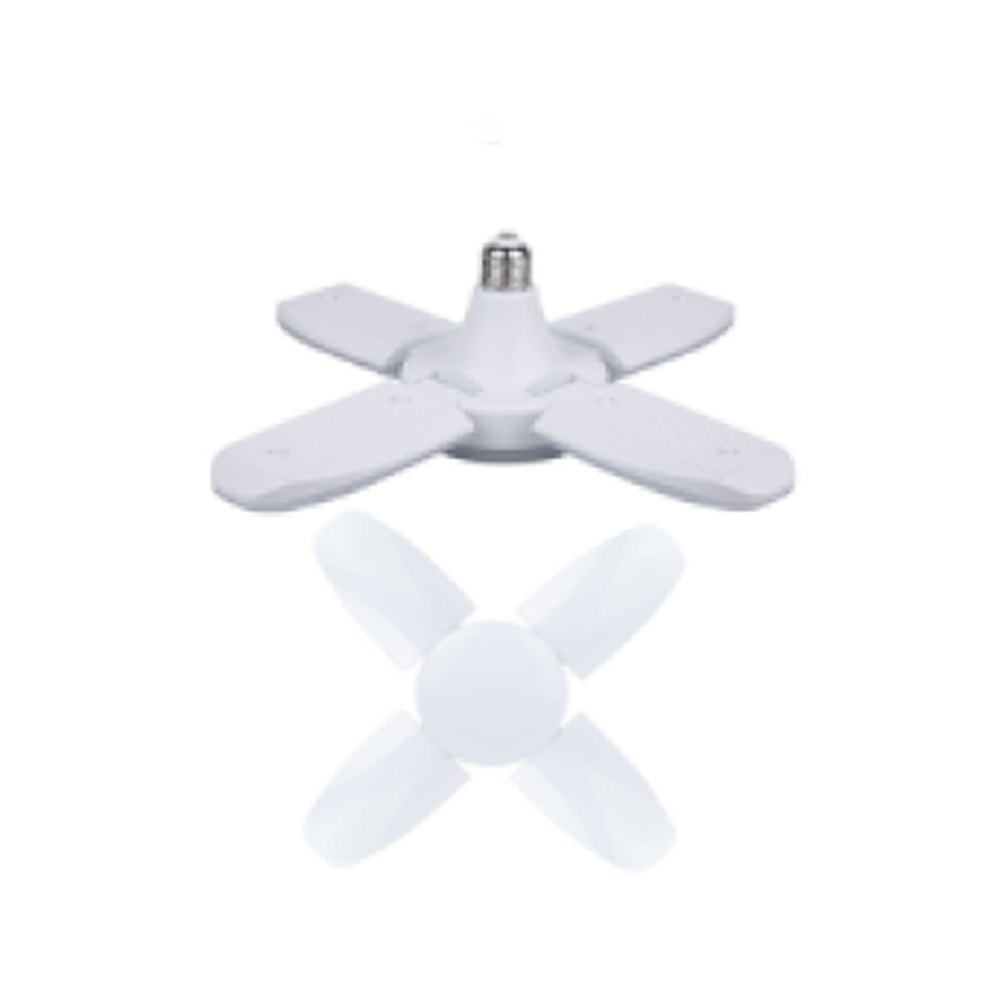
The products made by Zaferoğlu Elektrik in Ganja include high-output lamps intended for large areas, such as a folding four-blade model and large-bodied T lamps. When choosing one for a particular site, it is worth confirming the fitting design and operating conditions in advance.
All news