
Lighting circuits and switches: light only what you need
Putting every bulb on one switch is tiring and wasteful. Here is the logic of splitting light into zones and a few practical layouts.
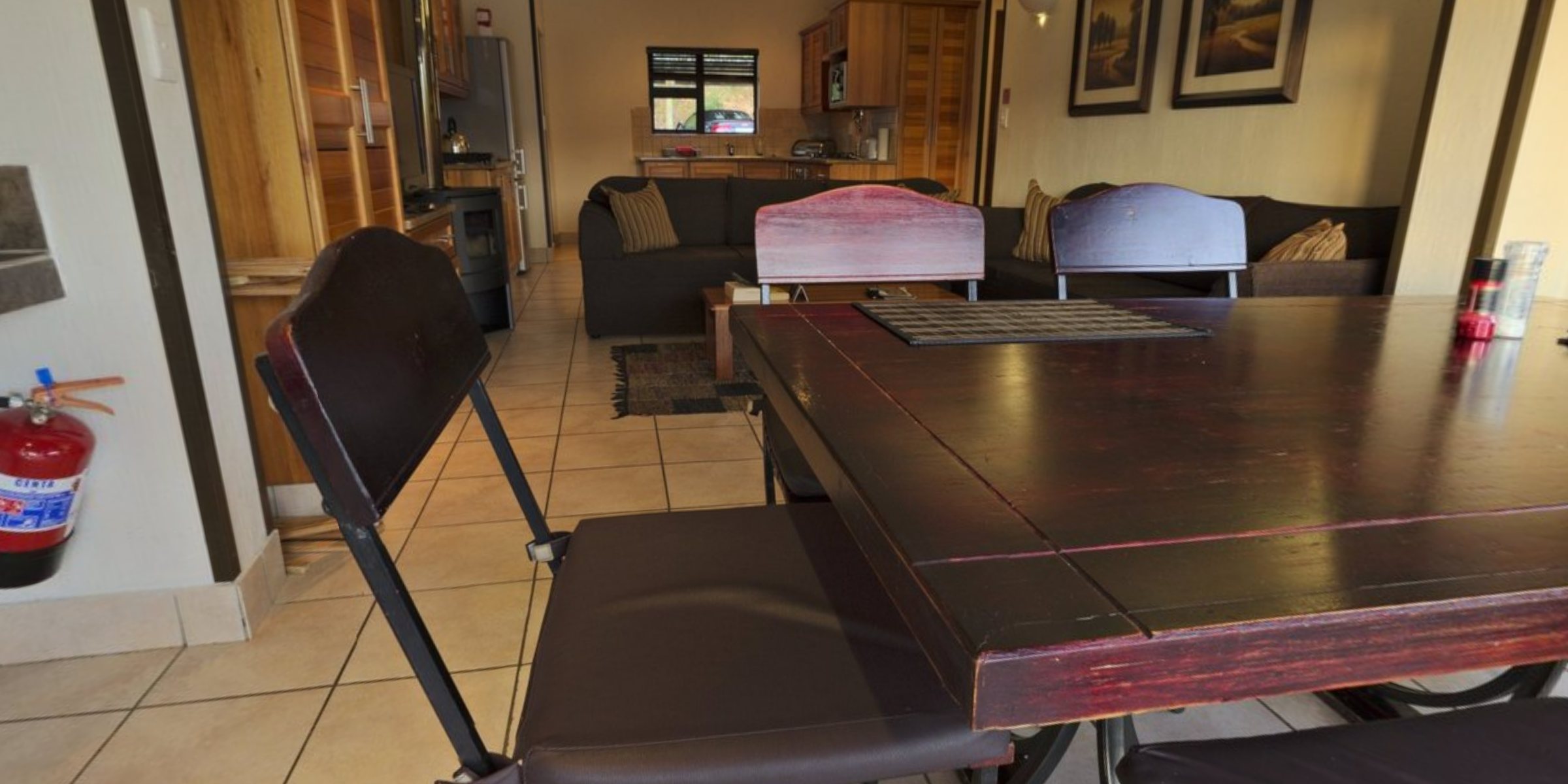
If you switch on all six ceiling bulbs just to read on the sofa in the evening, the problem is not the bulbs but the way the switch is wired. In many flats the light points are connected so that a room is either fully lit or completely dark. Energy goes to corners nobody is using, and your eyes tire against an over-bright background. Splitting the lighting into groups changes this in terms of both comfort and consumption.
What a lighting group is
A lighting group is a set of lamps that switch on and off together from one switch. A chandelier can be one group, spotlights around the edge of the ceiling a second, and wall lights a third. How many groups you need is set by the activities in a room more than by its floor area. A narrow hallway used only for passing through needs one group; a multi-purpose space such as a kitchen-living room may need three or four.
The key question is how many different activities take place in the room during the day, and which part of it really needs to be lit for each one. The answer tells you how many groups you need and where they should go.
The practical benefits of zoning
The saving is simple arithmetic. If a room has six lamps and on most evenings only two are needed, every bit of energy used by the other four is wasted. However low their wattage, that difference repeats every day and shows up on the meter by the end of the month.
The other benefits are just as real:
- your eyes tire less, because light goes where the task is instead of the whole space being equally bright;
- the room feels calmer in the evening, with softer zones creating contrast;
- if a lamp fails in one group, the other groups keep working;
- total operating hours per lamp fall, so bulbs need replacing less often.
Types of switch and where they fit
There are a few simple ways to control groups. The double (two-gang) switch is the most common: one wall box controls two independent circuits. With a chandelier, for example, it lets you light some or all of the bulbs, provided the chandelier's own wiring is split into two groups as well.
Triple switches are handy in large living rooms and kitchens. Long corridors and staircases call for two-way switching, letting you switch on at the bottom and switch off at the top. In rarely used spaces such as a pantry, wardrobe or storeroom, a motion sensor or door switch stops the light being left on by accident.
Local lights such as wall lights, floor lamps and desk lamps usually come with their own switch. Keeping them independent rather than wiring them into the main groups often gives you more flexibility.
Creating groups in an existing home
Even without a renovation you can improve things. Start by watching how the lights in each room are actually used for a week: which lamps are genuinely needed, and which are on only because they share a switch.
Then begin with the simplest steps:
- add a wall light or floor lamp for evening use instead of relying on the ceiling light;
- in a multi-arm chandelier, replace some of the bulbs with lower-wattage LED lamps so that full brightness is not always on;
- if you want to swap a single switch for a double one, have an electrician check whether there are enough conductors in the wall box and at the ceiling connection.
Changing a switch is electrical work: it may involve running an extra conductor, making sure the switch interrupts the live wire and insulating every joint properly. Leaving it to a qualified electrician is the safe choice.
Checklist for planning groups
- List the main activities in each room: reading, eating, watching TV, cleaning.
- Note which light point is enough for each activity.
- Put switches at the entrance, at a height you can find without looking.
- Plan two-way control for long passages.
- Keep the colour temperature the same within a group, or the zone will look patchy.
Once the groups are set up, choosing bulbs becomes easier too, because you can think about the output each zone needs separately. Each switch group can get its own bulb type from the Zəfər İşığı line: E27 bulbs in several wattages, E14 candles or spotlights.
All news