
Home lighting in winter: adapting to short days
In December it gets dark by five and artificial light covers half the day. Here is how to set up home lighting for winter mornings, working hours and evenings.
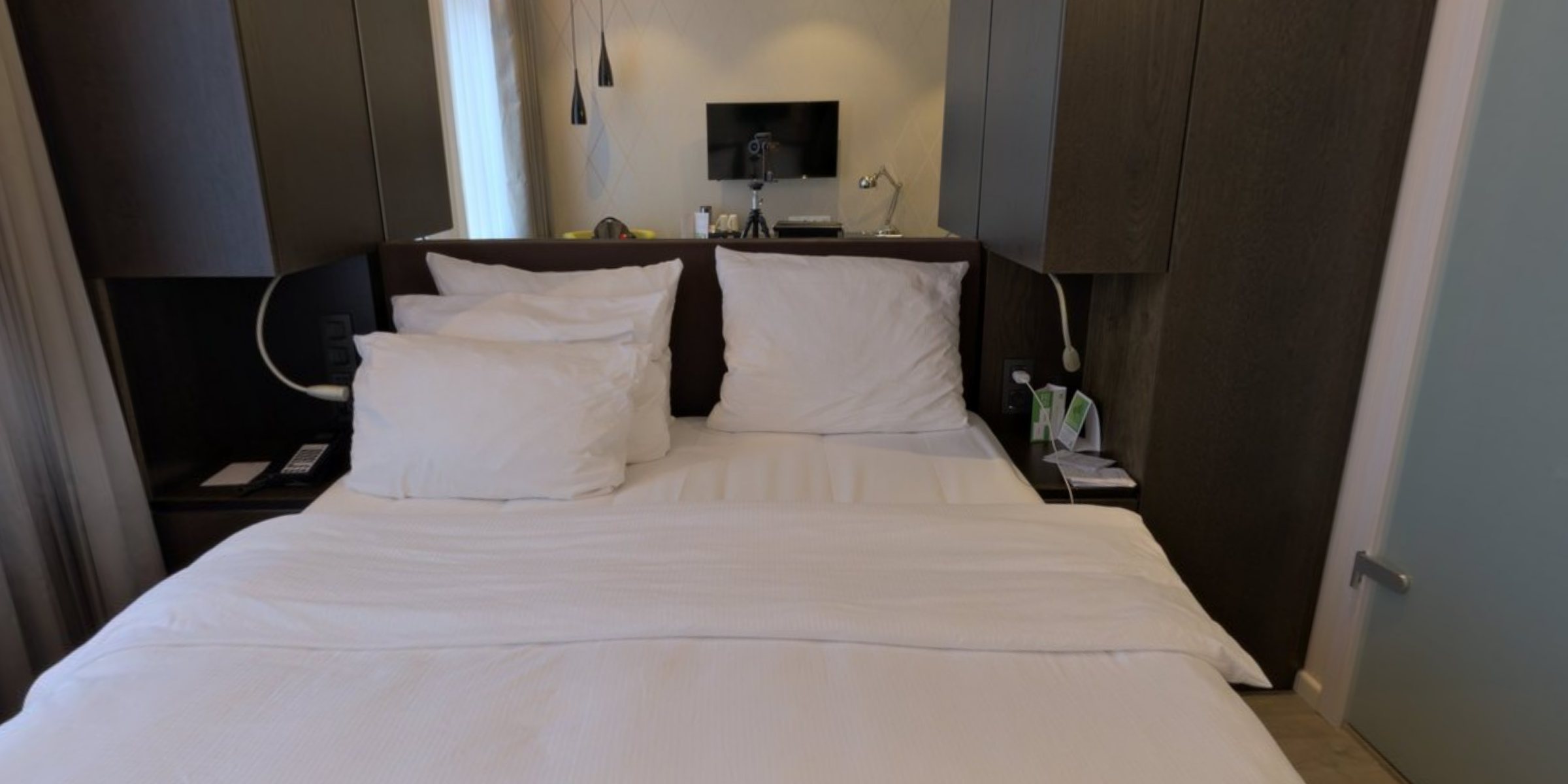
From late November to February, many families eat breakfast under a lamp and come home from work to a house that is already dark. As the days shorten, artificial light takes over a larger share of the day, and mistakes that go unnoticed in summer, such as a weak desk lamp, a single ceiling light, or the same cool white all evening, start to show up as tiredness and restlessness. The good news is that adapting your lighting to the season rarely needs any renovation. Often it is enough to change where lamps are and when they are used.
Why light matters more in winter
The body's daily rhythm depends heavily on light. Bright light in the morning is a signal to wake up, and fading light in the evening starts the preparation for sleep. In winter these signals weaken: it is still dark in the morning, clouds and short days cut daylight, and the evening is spent for many hours under bright artificial light. As a result, some people struggle to get up, feel sluggish in the afternoon and fall asleep late.
Home lighting will not solve this entirely, but it can support the rhythm: more and brighter light in the first half of the day, less and warmer light in the evening. If there are serious symptoms resembling winter depression, that is a matter for a doctor; an ordinary household lamp is not a treatment.
Morning: waking up in the dark
In the morning, the job of light is to wake the body up. A reasonably bright neutral or cool white light where breakfast is eaten works well for this. Drinking coffee by the glow of a single small wall light may feel cosy, but it tells the body it is still night.
Helpful habits:
- switch on the main light in the bedroom and kitchen as soon as you get up;
- keep even, bright light around the bathroom mirror;
- if possible, spend a few minutes by a window or outdoors before leaving; even on a cloudy winter morning, daylight outside is many times stronger than ordinary room lighting.
Daytime: getting the most from windows
In winter the sun is low, and its light can reach deeper into a room, but only if nothing is in the way. Heavy curtains left half-closed all day, tall furniture in front of the window and dusty glass all waste daylight. Keeping windows clean, opening curtains fully during the day and placing a desk side-on to the window are simple but effective steps.
For people working from home, local light on the desk is essential. A ceiling light illuminates the room, but it is often not enough on paper and keyboard. An adjustable desk lamp adds light to the work surface and reduces eye strain. Placing it on the opposite side from your writing hand keeps the shadow of your hand off the page.
Evening: dimming down gradually
Winter evenings are long, so it makes sense to split them in two. Right after dark, housework, cooking and homework need normal bright light. An hour or two before bed, it is better to soften it:
- switch off the ceiling light and move to floor lamps and wall lights;
- use warm white lamps;
- if there is a dimmer, turn the brightness down;
- avoid very bright cool light in the bedroom.
If older people live in the home, another side of winter evenings matters: the route to the bathroom or kitchen at night. Going from total darkness to bright light is hard on the eyes, and in the dark it is easy to trip over the edge of a rug or a step. For night-time trips, a faint light near the floor or a small sensor lamp in the hallway is safer than switching on the ceiling light and does not wake you fully.
Screens matter too. A dim room with a bright phone, tablet or TV in front of you is hard on the eyes. Lowering screen brightness and not sitting in total darkness is more comfortable.
Long lighting hours and energy use
In winter lamps stay on several hours a day longer than in summer, so the consumption of old incandescent and halogen bulbs shows up more clearly on the electricity bill. Replacing them with LED lamps, starting with the places where lights burn longest, such as the kitchen, living room and hallway, makes the difference noticeable within the winter months. Motion-sensor lighting in hallways and stairwells, and the habit of turning lights off in empty rooms, also save many hours over long evenings.
A quick winter checklist:
- is the breakfast area bright enough;
- are curtains open and windows clean during the day;
- is there a separate lamp on the desk;
- is there a warm, dim option for the evening;
- are the longest-burning lamps LED.
Zəfər İşığı products are made at the plant Zaferoğlu Elektrik opened in Ganja in 2021. The catalogue includes standard A-shape E27 LED lamps from 7 to 22 watts.
All news