
Lighting a living room: a step-by-step plan
A living room is for guests, TV and reading alike. Instead of relying on a single chandelier, here is a step-by-step plan for building light in layers.
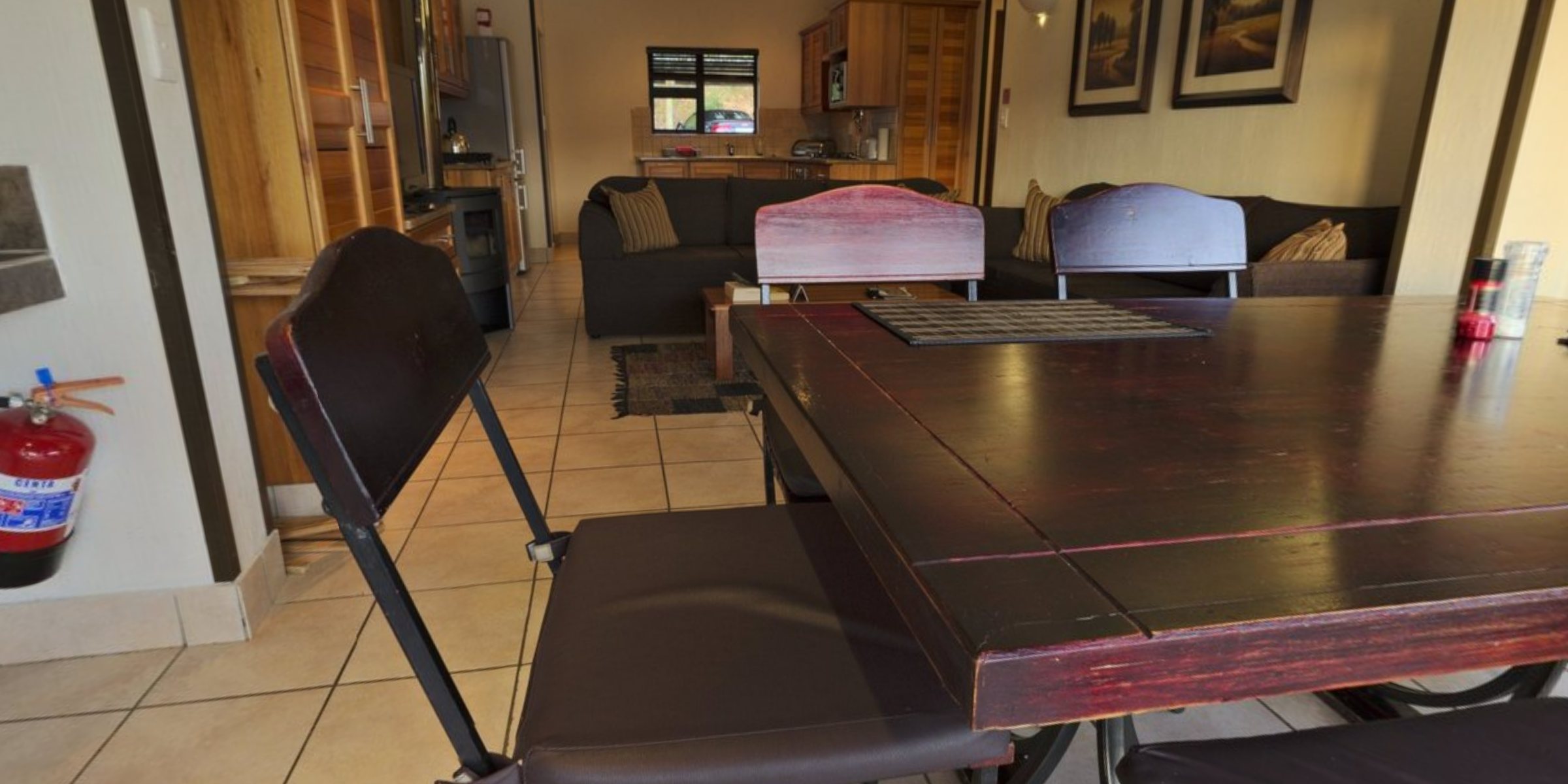
The living room is the most versatile space in a home. Tea in the morning, children playing in the afternoon, the family watching TV in the evening, guests at the weekend. Each situation calls for different light, yet in many homes the whole burden falls on a single chandelier in the middle of the ceiling. The result is a room that is either too bright or dark in the corners. The plan below helps you build the lighting in a logical order.
Step 1. Write down what happens in the room
Start with activities, not lamps. Sketch a simple plan of the room on paper and mark the zones:
- sofa and armchairs: conversation, TV;
- a reading corner or the side of an armchair;
- a dining table, if it is in the living room;
- shelves, pictures, decorative objects;
- walkways from the door to the sofa or balcony.
Next to each zone, note when and why light is needed there. This list is the basis for every decision that follows.
Add the furniture layout to the sketch as well. A sofa floating in the middle of the room needs a nearby socket for its floor lamp, placed so the lead does not cross a path. If you plan to rearrange the room, designing the lighting for the new layout saves changes later.
Step 2. Decide on ambient light
Ambient light lets you move around safely and handle tasks such as cleaning anywhere in the room. It can be a chandelier, a flush ceiling light, ceiling spotlights or concealed cove lighting.
In a small or medium room, one central fitting is often enough. In a long or large room, splitting the light between two sources or a row of spotlights, rather than concentrating it at one point, reduces shadowy corners. Ambient light does not have to meet every need on its own; the other layers come next.
Step 3. Add task light
Where precise work happens, such as reading, sewing or board games, you need local light. A floor lamp beside an armchair, a wall light above the sofa or a directional lamp near the bookshelf provides enough light without tiring the eyes.
When placing task lights, watch the shadows: for someone who reads or writes right-handed, light from the left is more comfortable. The bulb itself should not be visible; a shade or directional head prevents direct glare.
Step 4. The mood and accent layer
This layer gives the room depth. A small spotlight aimed at a picture or shelf, a soft glow behind the TV, a pendant with decorative filament bulbs: none of these is the main light, but in the evening they define the room's character.
Accent light should be weaker than ambient light so that contrast appears. Too many decorative sources make a room look busy; two or three points are usually enough.
Step 5. Colour temperature and switches
Warm or warm-neutral light often suits the relaxed atmosphere of a living room. The key rule is that sources lit at the same time should have similar tints. Warm light in the chandelier and cool white in the floor lamp make the room look fragmented.
Each layer needs separate control. If ambient light, the floor lamp and the accent lights share one switch, the whole plan loses its point. Provide separate switches for at least the ambient and decorative lighting.
Step 6. Test the scenarios
Once the plan is ready, check it against real situations:
- Guests over: ambient and accent lights on, the room lively and clear.
- TV: ambient off, a gentle background glow left on.
- Reading: only the lamp by the armchair plus a little background light.
- Cleaning: ambient light at full.
If light is lacking or excessive in any scenario, you will see straight away which layer of the plan needs adjusting.
In a final review of the plan, also check for the most frequent mistakes:
- Concentrating all the light at the centre of the ceiling.
- Placing a spotlight where it reflects in the TV screen.
- Leaving a dark corner behind the sofa.
- Mixing bulbs of different colour temperatures.
- Putting switches far from the room entrance.
The Zəfər İşığı lamps made by Zaferoğlu Elektrik in Ganja include E14 candle lamps for chandeliers, decorative filament lamps and E27 LED bulbs for ambient light. The simulator on the website can help you choose a colour temperature.
All news