
Lighting stairs: safety first, looks second
The first job of stair lighting is to show every step clearly. How to create safe, attractive light without shadows or glare.
A good share of falls at home happen on stairs, and poor lighting is often the reason. When the edge of a step is in shadow, when light from above dazzles, or when you have to grope for a switch in the dark, it is easy to misjudge a step. In villas and duplex flats the staircase is also a prominent feature of the interior, so lighting here is a question of both safety and design. The right order never changes, though: safety first, looks second. The rule matters most for older people, small children and anyone carrying something.
The main goal: seeing the edge of each step
The information your eyes need most on stairs is where each step ends. Light should fall so that there is contrast between the horizontal tread and the vertical riser. If the whole staircase is lit equally and from the same direction, for example straight from above, the steps blend together, especially when they are made of the same coloured material.
When going down, people look down, and if light comes from behind, their own shadow falls on the next step. That is more dangerous than going up. So the position of light sources should take both directions of travel into account.
Lighting methods
There are several common approaches, often combined:
- General ceiling or wall light. Placed at the top of the stairwell or on the landings. It lights the whole space but on its own does not always show step edges clearly.
- Small wall fittings beside the steps. They cast light onto the treads at a low angle, create contrast and do not shine into the eyes. Usually placed every few steps.
- Linear light under each tread. An LED strip hidden under each step lights the one below. It looks striking and works well as a night light too.
- Handrail lighting. Light mounted under the handrail shows both where to hold and the steps themselves.
The light source should not be directly visible. An exposed bulb at eye level while you walk downstairs blinds you for a moment, and that is one of the most dangerous moments of all.
Switches: at both ends
Stair lighting must be controllable from both the bottom and the top, using two-way switches. The switches should be on the level landing, within reach before you step onto the stairs; you should never be standing on the first step searching for a switch.
Motion sensors are convenient for stairs too, especially for night lighting. Place the sensor so the light is already on before a person reaches the stairs. On a long staircase you may need separate sensors at the bottom and top.
Night mode
Turning on full light to go downstairs for water or to check on a child at night disturbs sleep and dazzles. A dim mode on under-tread or low wall lights, either always on or sensor-activated, solves this. With such low power, energy use is negligible while the safety benefit is large. Warm light is less disturbing to the eyes at night.
Materials and glare
Polished stone, lacquered wood or glass treads can reflect light like a mirror. You then see a bright reflection of the lamp on the tread and the edges become harder to distinguish. With such materials, choose more diffuse light, with frosted covers and low angles. On staircases with glass balustrades or panels, check in the evening whether reflections of spotlights catch the eye.
Safety checklist
- The edge of every step is clearly visible both going up and coming down.
- No light source is directly visible at eye level.
- Switches are at the bottom and top, on level landings.
- There is a dim night light or a sensor.
- Glare from shiny materials has been checked.
- Cables and connections for step and wall lights are hidden and protected.
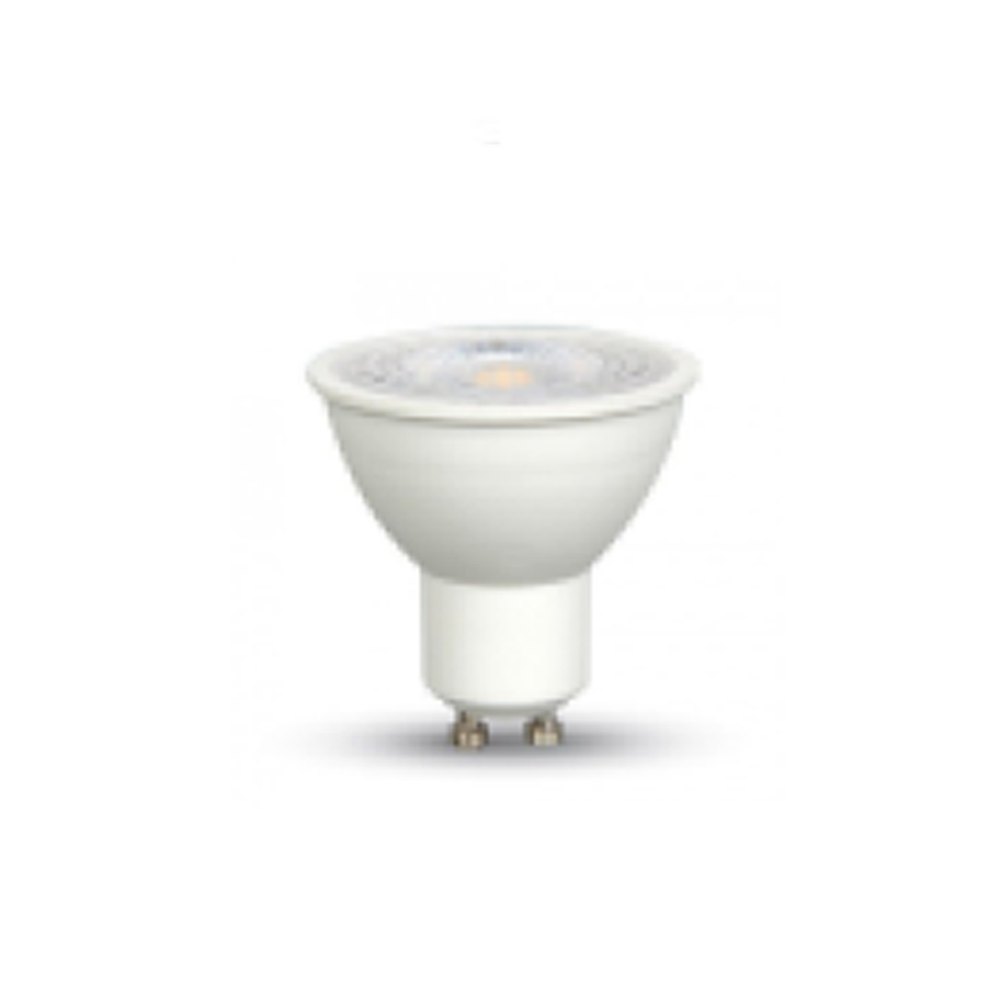
The ceiling light above the stairwell can take a Zəfər İşığı E27 LED bulb, and wall or ceiling spots can take the brand's GU10 and G5.3 lamps. In a tall stairwell, also consider how difficult it will be to change the bulbs.
All news