
Restaurant and café lighting: mood and the table
Light shapes the mood of a dining room, how the food looks and how comfortable guests feel. Here is how to build restaurant and café lighting in layers.
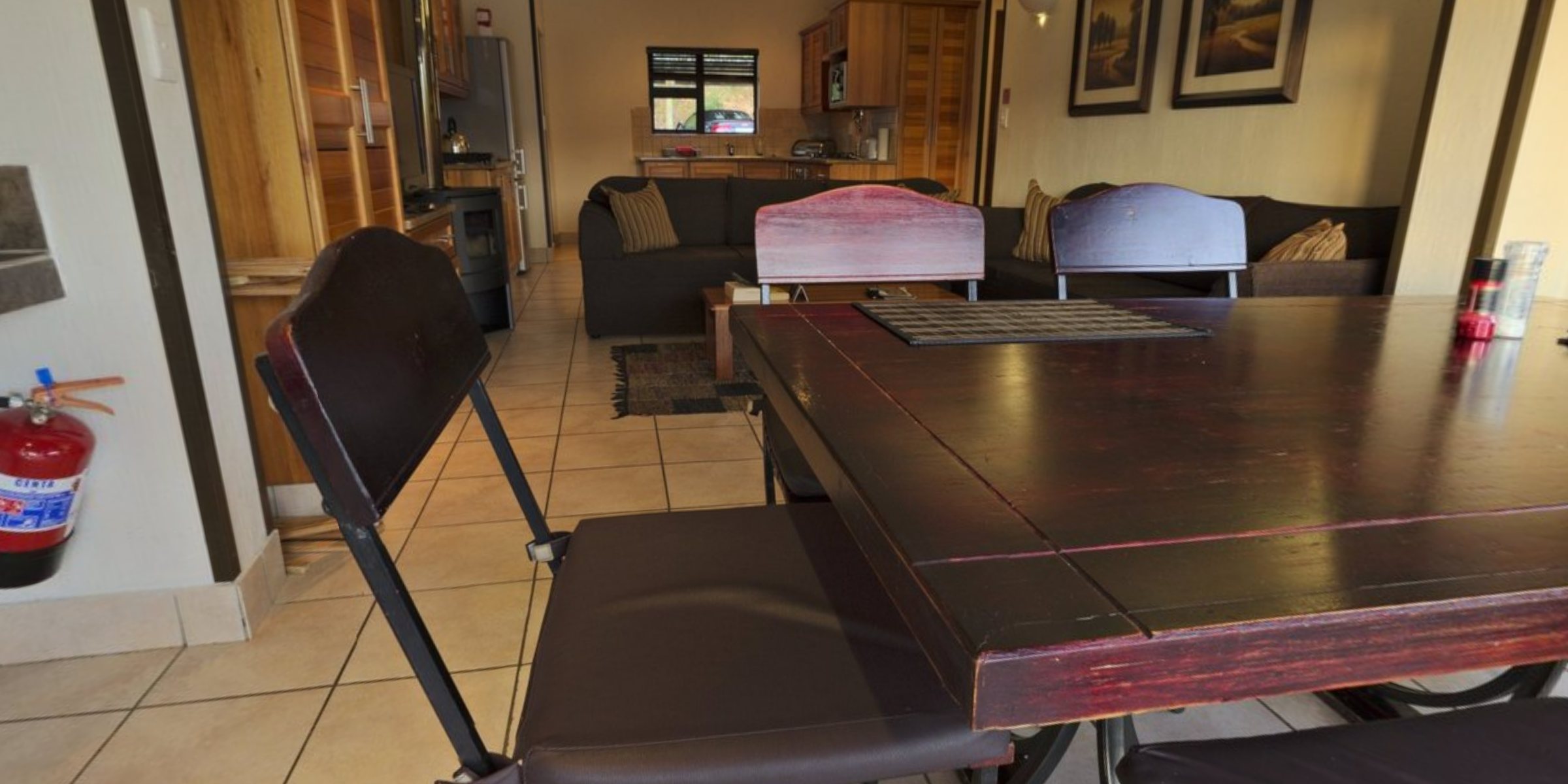
Guests judge a restaurant by its room long before they open the menu. A bright, cold space feels like a canteen; an overly dark one becomes tiring and makes the menu hard to read. Good lighting sits between those extremes, and it can change through the day.
Start with the concept
A fast-food café, a family restaurant and an evening wine bar do not work under the same light. Where service is quick, lighting tends to be even and fairly bright: people order fast, eat fast and the room is easy to take in. In places where guests stay for hours, general light drops and the emphasis moves onto the tables. Before choosing any fixture, answer a simple question: how long will people stay here, and what feeling should they leave with?
Three layers of light
Professional schemes never rely on a single source. They are built in layers.
- General light — the base level for moving around, cleaning and service. Ceiling fittings, concealed cove lighting or panels can all do this job.
- Table light — a local source above each table: a pendant, a directional spot or a wall light close by. Guests see each other's faces and the food clearly while the next table stays in soft shadow.
- Decorative and accent light — the bar counter, artwork, a brick wall, plants and shelving. This layer gives the place its character.
The back bar needs separate attention. The bartender mixes drinks, reads bottle labels and works the till, so they need stronger task light than the soft room lighting — but it must not shine into guests' eyes. Concealed sources under the counter or inside the shelving solve this, and they make the glassware sparkle as a bonus.
Do not forget the view from the street. In the evening, passers-by glance inside and decide: is it busy, is it comfortable? Well-lit tables near the windows and a clearly readable sign invite people in, while a dark frontage makes the place look closed.
It matters that each layer sits on its own switch or dimming group. That is what lets you run different scenes for morning coffee, lunch and dinner.
Colour temperature and colour rendering
Dining spaces usually use warm white light, roughly in the 2700–3000 K range. It flatters wood, fabric and leather and keeps skin tones looking healthy. Cool white is better reserved for technical areas such as the kitchen, the dishwashing zone and storage.
Colour rendering (CRI, Ra) matters just as much. Under low-Ra light tomatoes look dull, herbs turn greyish and meat can look unappetising. Choosing high colour rendering sources over the tables helps food look natural. Check the Ra value on the packaging and keep one colour temperature across the whole room — a yellowish table next to a bluish one is noticed immediately.
Glare and shadows
A seated guest's eyes are lower than a standing person's. A bare pendant bulb that is out of sight when you stand may shine straight into someone's eyes once they sit down. Hang pendants high enough above the tabletop to stay clear of face level, and shield the bulb with a shade where possible.
A narrow beam falling straight down on someone's head creates harsh facial shadows: dark under-eyes, tired-looking faces. Aim spots at the centre of the table, not at the chairs. Glossy surfaces such as mirrors, polished stone and lacquered tabletops also bounce light back as glare; diffused light is kinder around them.
Dimming and daily scenes
In daytime the windows supply much of the light and artificial sources mainly fill the deeper parts of the room. In the evening, lowering the general light while keeping table and decorative layers on makes the room feel warmer. That requires dimming, but not every LED lamp can be dimmed. Only lamps marked as dimmable on the packaging should go on a dimmer circuit, and the dimmer itself must be designed for LED loads. A mismatch shows up as flicker, buzzing or lamps that never fully switch off.
Common mistakes and a final check
- Filling the whole room with identical ceiling panels, which makes it flat and lifeless.
- Mixing lamps from different brands or batches, so the tone of white varies.
- Leaving the till, the menu board or the entrance in the dark, so guests struggle to orient themselves.
- Using indoor fittings on a terrace or outdoor seating area.
- Leaving a failed lamp for weeks — one dark corner spoils the impression of the entire room.
Once furniture and decor are in place, sit in the room in the evening. Can the menu be read comfortably at every table? Does the food look natural in a phone photo? Is any lamp shining into your eyes from any seat? Small corrections, such as changing a spot's angle or lowering a pendant, often make a big difference.
Zaferoğlu Elektrik makes LED lamps in Ganja under the Zəfər İşığı brand, with a range running from standard E27 lamps to filament candle bulbs and GU10 spots. The types a project needs can be filtered in the online catalogue and an offer requested.
All news