
Cleaning bulbs and fittings: how much light dust takes away
Dust and grease on bulbs and fittings quietly reduce the light you get. Why it happens and how to clean fittings without risk.
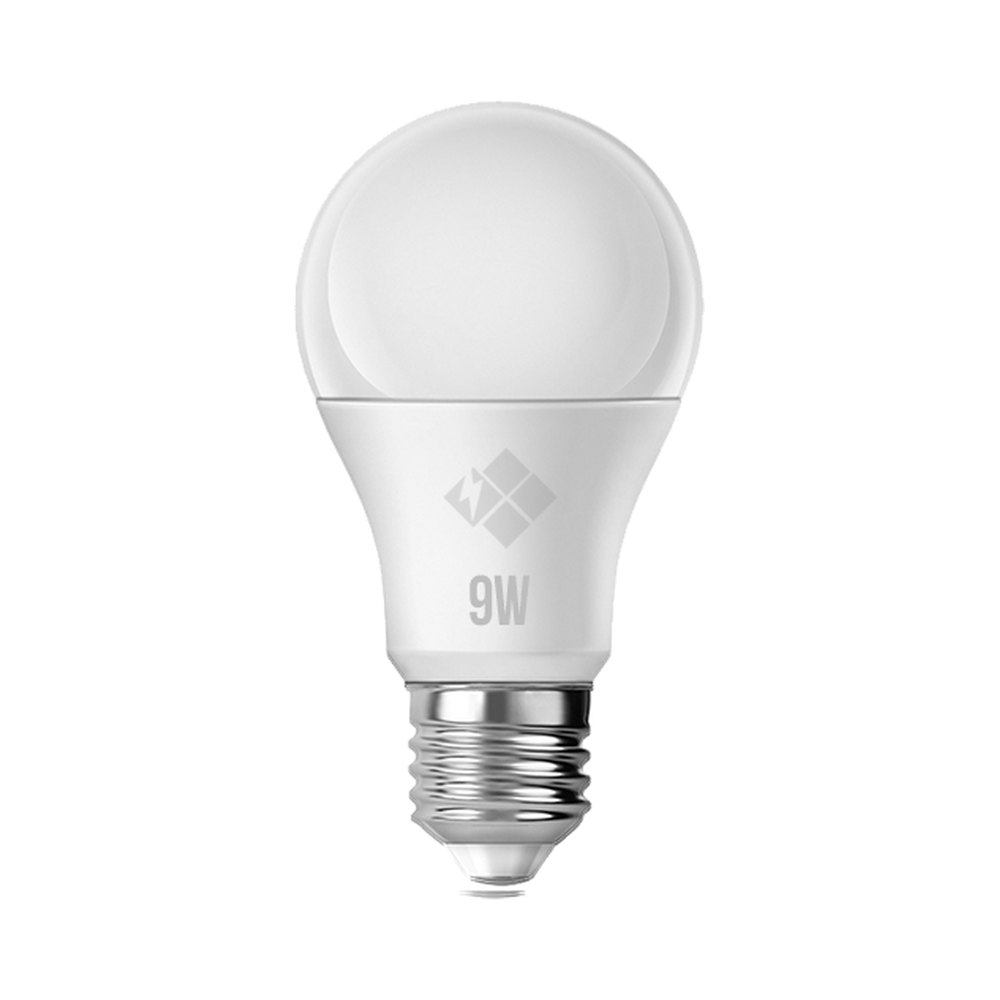
When a light seems to get dimmer, the first thought is that the bulb is ageing. Often, though, part of the problem is not the bulb itself but the layer building up on it and inside the fitting. Dust, cooking vapour and traces of smoke accumulate gradually, the change is not noticeable from one day to the next, and only after cleaning do you realise how dull the room had become.
How dust "eats" light
Light either passes through or bounces off the surfaces around a bulb: the bulb cover, the glass of a shade, the shiny surface of a spot reflector. A layer of dirt on them affects light in three ways:
- Absorption. Dark dust and smoke particles absorb some of the light and turn it into heat.
- Scattering. Particles knock light off course; in spots and reflector fittings this shows up as a weaker, wider beam.
- Colour change. A greasy or yellowed film can give the light a yellowish tint.
The size of the effect varies hugely from room to room, and it would be wrong to put a single number on it. It depends on how much dust and grease is in the air, the shape of the fitting (an upward-facing bowl collects dust, a downward-facing shade collects less), the surface material and how long it has been since the last clean. Professional lighting design allows for this loss: calculations use a "maintenance factor" and assume fittings will be cleaned periodically. At home, it simply translates into "keep them clean".
Where dirt builds up fastest
In some places lights get dirty much faster than in others:
- Kitchens. Cooking vapour settles on surfaces as a sticky film that dust then clings to. Fittings above the hob are hit hardest.
- Workshops, garages and storerooms. The air carries a lot of wood, building and street dust.
- Rooms where people smoke. Smoke leaves a yellowish coating on surfaces.
- Upward-facing fittings. Floor lamp bowls, uplighting wall lights and the tops of pendants collect dust directly.
- Rooms with windows onto a road. Street dust settles more quickly.
Safety rules for cleaning
A few rules matter before you start:
1. Switch the light off, and turn off the circuit breaker if needed.
2. Let the bulb and fitting cool. Hot glass can crack on contact with cold water.
3. When removing a bulb, do not twist it hard by the cover; on LED bulbs the cover is glued to the body and can come away. Hold the body and turn gently.
4. Never spray cleaner directly onto a fitting, as liquid can run into the lampholder and wiring. Apply it to the cloth instead.
5. Do not put a bulb's cap or electronics in water.
What to clean with, and how
The approach depends on the surface:
- Bulb covers. A dry microfibre cloth is enough for ordinary dust. For a greasy film, dampen the cloth in mildly soapy water, wring it out well, wipe the cover and then dry it with a dry cloth. Keep moisture away from the cap.
- Glass shades and bowls. If they can be removed, wash them in warm water with washing-up liquid and dry thoroughly. Harsh scouring powder and wire wool scratch frosted glass.
- Fabric lampshades. Clean with a soft brush or the brush attachment of a vacuum cleaner. Wet wiping can cause stains and distortion.
- Metal and shiny reflectors. Use a soft, dry cloth without scratching. On mirror-finish reflectors, harsh cleaners can damage the coating.
- Plastic diffusers. Alcohol-based and solvent cleaners can cloud or crack some plastics; soapy water is safer.
- Crystal chandeliers. Taking the drops off one by one and washing them gives the best result; if cleaning in place, avoid spinning the chandelier or putting weight on its arms.
It is not advisable to touch the quartz glass of a halogen bulb with bare fingers: oil from fingerprints can damage the glass as it heats up. Handle such bulbs with a cloth or gloves when changing them.
How often
There is no fixed schedule, but a practical guide is simple. In living rooms, checking bulbs and shades every few months during a general clean makes sense; in kitchens and workshops, look more often. A good test is to run a clean white cloth once over the cover of a switched-off bulb. If the cloth comes away grey, it is time.
If the light is still weak after cleaning, the cause may lie in the fitting or the bulb itself. If the bulb needs replacing, Zəfər İşığı models come in various wattages and bases; simply match the old bulb's base and wattage in the catalogue.
All news