Hidden lighting: indirect light in coves and niches
Light hidden in a cove or niche washes the ceiling or wall softly while the source stays out of sight. Cove dimensions, choosing LED strip and the usual mistakes.
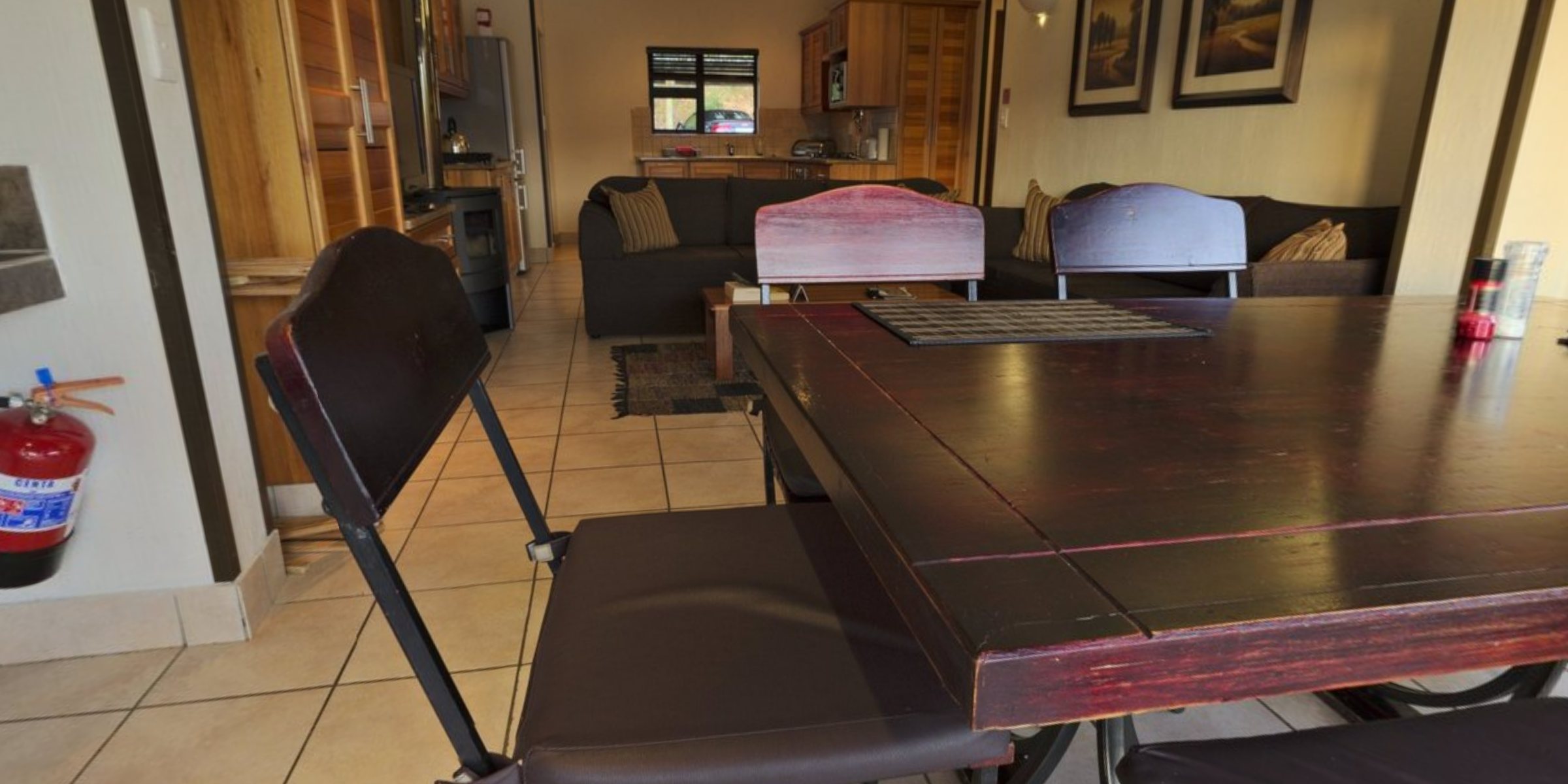
In hidden, or indirect, lighting the source is out of sight: an LED strip sits behind a ceiling cove, inside a niche or along the edge of furniture, and its light falls on a surface and reflects into the room. The ceiling seems to glow by itself, and the room looks taller and larger. Done well, it is one of the most effective interior lighting techniques. Done badly, it leaves dotted hotspots on the ceiling, bright stripes and a visible strip.
What indirect light is for
Hidden lighting is usually not the main light in a room. It has other jobs:
- lighting the ceiling or walls to make a space feel larger;
- providing soft, glare-free background light in the evening instead of the ceiling light;
- highlighting niches, shelves or a feature wall as architectural elements;
- giving low night-time light in bedrooms, living rooms and hallways.
For reading, cooking or work, indirect light alone is not enough; plan it together with direct lighting. Putting hidden lighting on its own switch or dimmer lets you use it as independent background light.
Cove construction and dimensions
Ceiling cove lighting usually sits in a ledge or open channel formed at the edge of a plasterboard ceiling. Success depends mostly on geometry:
- Distance from the ceiling. If the strip is too close to the ceiling, the light has no room to spread and forms a bright band at the edge. The greater the distance, the wider and more evenly light spreads across the ceiling.
- Height of the cove lip. The front lip should hide the strip from anywhere in the room, especially from the far corner. If the lip is too low, the strip shows.
- Distance from the wall. If the strip is too close to the wall, the top of the wall becomes overly bright. The strip is usually placed near the front lip, aimed at the ceiling rather than the wall.
The ceiling should be matt and light in colour. On a glossy, lacquered ceiling the strip itself is reflected like a mirror.
Choosing LED strip
Hidden lighting uses LED strip or linear modules rather than bulbs. When choosing:
- LED density. Strip with widely spaced diodes gives a spotty effect, especially close to a surface. Dense strip, or strip that gives continuous light, creates an even line.
- Aluminium profile. The strip is mounted in an aluminium profile that spreads heat, extends its life and softens the light with a frosted cover.
- Colour temperature. Hidden lighting should match the room’s main light. Warm white is the usual choice. Coloured (RGB) strip creates effects but becomes tiring in everyday use.
- From one batch. Strips from different batches along the same cove can show slightly different shades.
Driver, power and access
Most LED strip runs on a low constant voltage and connects to the mains through a driver (power supply). Some important rules:
- choose a driver with a comfortable margin above the strip’s total wattage;
- put the driver somewhere ventilated and accessible later, since a driver sealed inside a plasterboard ceiling means repair work to replace it;
- voltage drops along a long run and the far end looks dimmer; in that case, feed power in at several points;
- if a dimmer will be used, the driver and dimmer must be compatible.
Connecting the driver to the mains and running cables inside the cove should be done by a qualified electrician.
Niches and furniture
In wall niches, hidden lighting usually goes along the top inner edge or the sides. The light washes the back of the niche and highlights what is inside. Again, the strip itself should not be visible from normal viewing angles.
Hidden lighting behind a headboard, behind a sofa, under a TV unit or on top of kitchen cabinets follows the same principle: source hidden, surface lit. When fitting it inside furniture, take the heat of the strip and driver into account.
When hidden lighting provides the background, the room’s main fittings have less work to do. The visible fittings in the same room can run on E27 or E14 bulbs from the Zəfər İşığı line, and accent spots on its GU10 and G5.3 lamps; matching them to the colour temperature of the hidden lighting keeps the room looking consistent.
All news