
Insects and dust collecting inside a light shade: what to do
Dead insects and dust building up inside a shade that looks sealed cut the light and spoil the look. Why it happens and practical ways to deal with it.
Looking up at a glass ceiling shade and seeing dark specks and a grey film inside is a familiar sight, especially towards the end of summer. The shade looks closed, yet flies, mosquitoes, small moths and dust get in year after year. It is not only a cosmetic problem: a dirty shade holds back part of the light, the room turns dimmer, and many people blame the bulb and replace it before its time.
How they get inside
Most household ceiling shades are not sealed. A glass bowl is held to a metal base by a few screws or spring clips, leaving a narrow gap around the edge. In addition:
- the base of the fitting does not sit fully flush with the ceiling, and the cable entry hole stays open;
- a working bulb warms the air, the warm air rises, and cooler air carrying dust is drawn in through the gaps below;
- insects drawn to the light crawl over the shade, find the warm, bright gap and go inside, but cannot find their way back out;
- in kitchens, airborne grease forms a sticky layer inside the shade, and dust clings to it more quickly.
In effect the shade becomes a trap: easy to get into, hard to get out of.
Cleaning: a safe sequence
Wiping the shade in place is usually not enough; you need to take the bowl off to empty it. This is the safe way to do it:
1. Switch the light off at the wall. If you are not sure which circuit the switch breaks, turn off the circuit breaker as well.
2. If the bulb was incandescent or halogen, let it cool; an LED bulb can also be warm after running for a long time.
3. Use a sturdy stepladder rather than standing on a chair or sofa.
4. Support the bowl from below with one hand while you undo the screws or clips. Having a second person help avoids dropping a glass bowl.
5. Take the bowl to a bath or sink, empty out the insects and wash it in warm water with a mild washing-up liquid.
6. Dry the bowl completely. Never refit a shade with water droplets still inside.
While the bowl is off, wipe the bulb and lampholder with a dry cloth. Keep water, sprays and damp cloths away from the inside of the lampholder and the wiring.
Reducing the gaps
After cleaning, a few simple steps slow down the return of the problem. If there is a visible gap between the rim of the bowl and the base, check that the screws are evenly tightened: often one is loose and the bowl tilts to one side. Some shades have a rubber or foam gasket around the rim; if it has hardened, cracked or gone missing, a replacement of the right size can usually be found.
The gap between the base of the fitting and the ceiling, especially the cable hole, is often the main route for insects. Closing that opening from the ceiling side is worthwhile. But one rule matters: do not seal every gap inside the shade airtight with silicone or tape. A fitting is designed to shed heat through the air, and in a fully closed bowl the temperature rises, shortening the life of both the bulb and the lampholder. If a fully enclosed solution is needed, it is better to choose a fitting designed for it, with a higher protection rating.
Attracting fewer insects
How many insects end up in the shade depends on how much light it throws around and how many insects get into the room:
- screens on windows and balcony doors are the most effective way to keep insects out;
- on evenings when the window is open, using a small lamp further into the room instead of the ceiling light makes the shade less of a magnet;
- warm-coloured light attracts many night-flying insects less than cool, bluish light;
- because an LED bulb runs much cooler than an incandescent one, the warm air current around the shade is also weaker.
When replacing the fitting makes sense
Sometimes replacing the fitting is more sensible than constant cleaning. Watch for these signs: the bowl will not sit straight on the base whatever you do; metal parts of the fitting have rusted; the wire insulation inside has darkened or become brittle; or the shade is in a damp place such as a balcony, veranda or bathroom but was not designed for those conditions. In that last case the issue is no longer insects but safety.
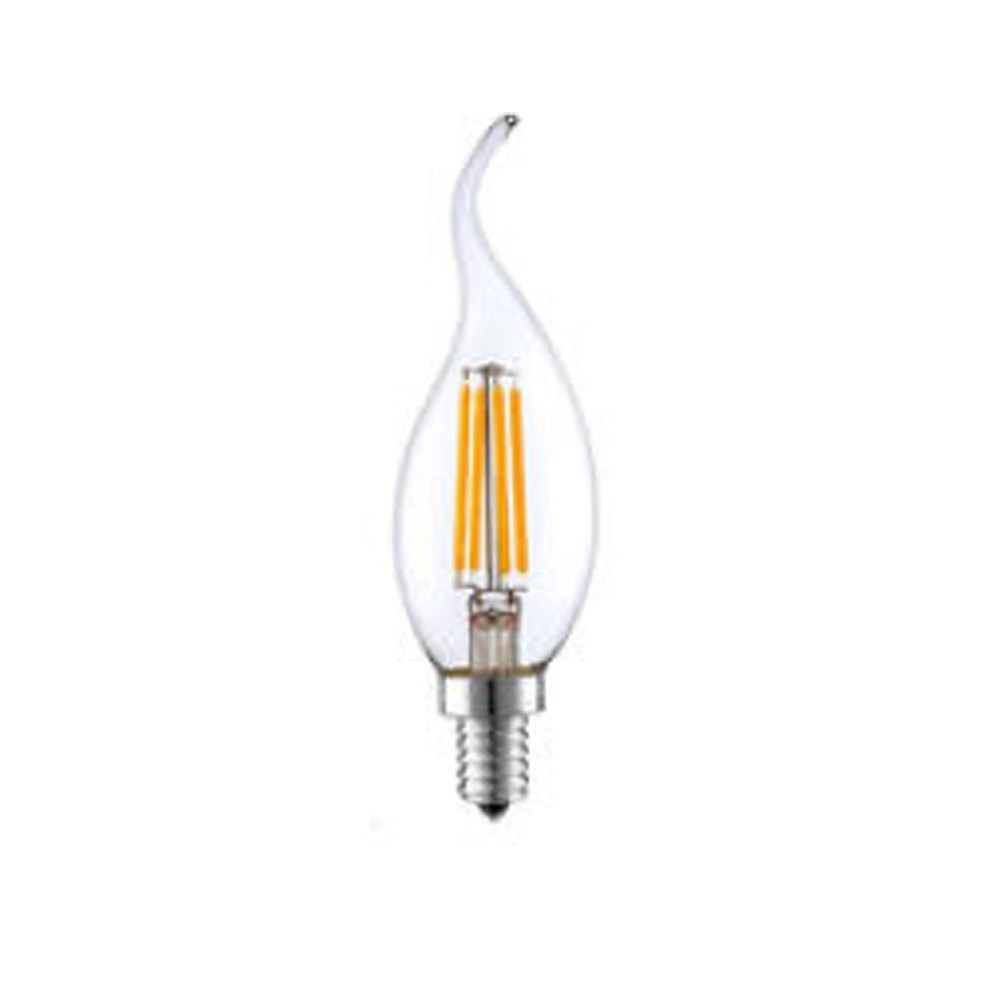
Small shades and chandeliers can take Zəfər İşığı E14 candles; larger ones, standard E27 LED bulbs. To match a bulb to your shade, compare shapes and bases in the catalogue.
All news