
Why a cheap LED bulb can turn out expensive
The cheapest LED bulb on the shelf looks like a bargain at the till. Here is how it can cost you later and what to check before you buy.
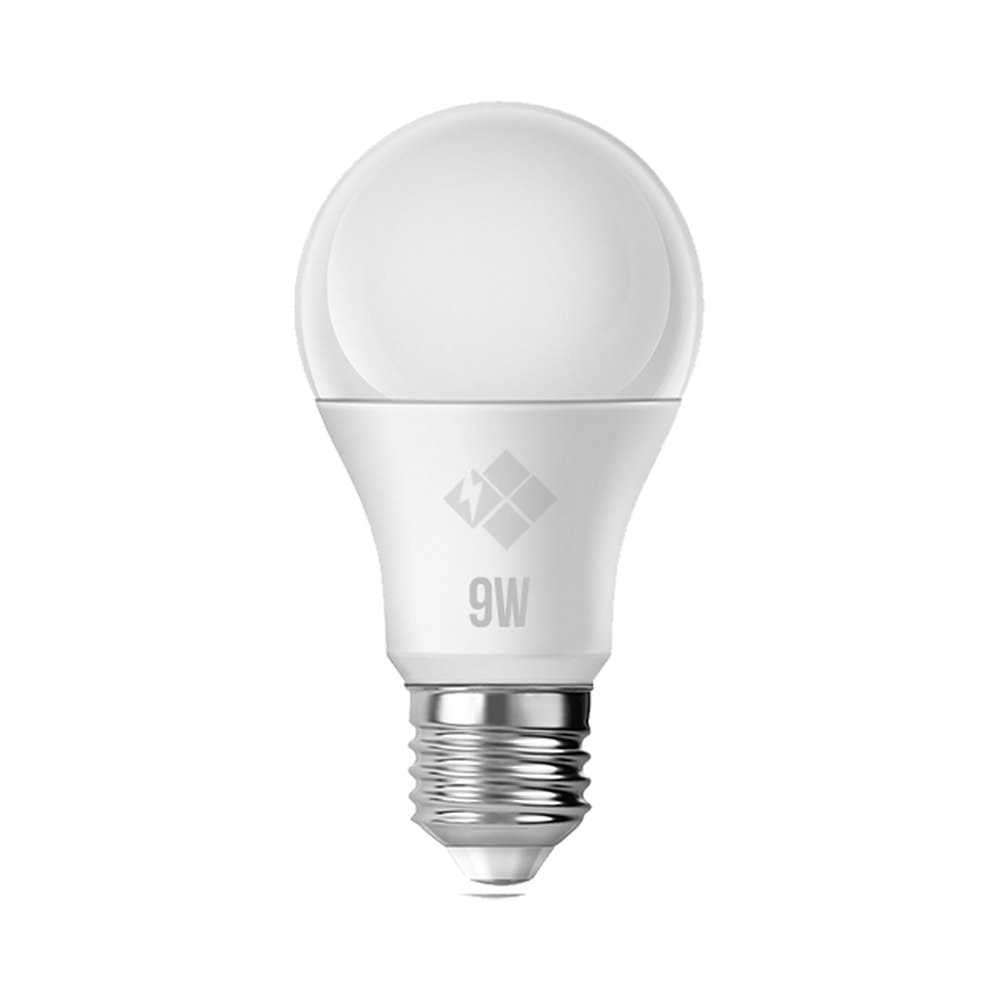
Two LED bulbs sit side by side on the shelf: same wattage, same shape, same "equivalent" claim on the box. One is much cheaper. Picking the cheaper one seems obvious. But the real value of a lamp is not the figure on the price tag; it is the light it gives, and the trouble it causes, over the years.
Where the low price comes from
An LED bulb looks simple, yet it contains several important parts: the LED chips, the driver (the electronic circuit that feeds them), a heat sink that spreads heat, and a diffuser that spreads light. The easiest way to cut the price is to save on exactly these parts:
- the chips are driven hard, at high current, to squeeze a lot of light out of few chips;
- a simple capacitor circuit replaces a proper driver;
- thin metal or plain plastic replaces an aluminium heat sink;
- quality checks and testing are shortened.
None of these savings is visible on day one. The bulb lights up, gives light, and everything seems fine. The differences show up over the following months.
It is worth separating two ideas here: a cheap bulb and a basic bulb are not the same thing. Some manufacturers keep prices low by leaving out extras such as colour changing, remote control or a decorative body, while not cutting corners on the essential parts. The problem is not the low price itself but what was sacrificed to reach it. A buyer can partly judge that from how complete the information on the box is and how open the manufacturer is.
When and how the costs appear
The first and most obvious cost is early failure. Chips that run too hot lose brightness quickly and some go out completely. After a few months the bulb either stops working or gives half the light it used to. Replace it and you have in effect paid for two bulbs, plus the trip to the shop and the hassle.
The second cost is flicker you cannot see. A bulb with a poor driver pulses at mains frequency. Even when the eye does not register it, reading or working under such light for long periods can cause fatigue and headaches. Point a phone camera at the bulb: rolling bands on the screen are a sign of flicker.
The third cost is too little light. On some cheap bulbs the wattage or "equivalent" printed on the box does not match reality. The room stays dim, people switch on another lamp or buy a more powerful one, and the energy saving exists only on paper.
The fourth cost is colour quality. Under light with a low colour rendering index, faces look grey, food looks dull and fabrics look the wrong colour. That affects comfort more than money, but it often leads to bulbs being replaced before they fail.
Doing the sums properly
A simple way of thinking helps to compare the real cost: divide the purchase price by the time the bulb gives useful service. Suppose one bulb is half the price of another but fails three times as fast. Then you are paying more per year of light with the cheap one. Add the effort of replacement: in a high-ceilinged hallway or a chandelier, every change means a ladder, time and sometimes an electrician.
Energy use can differ too. A bulb with a poor power factor and weak output needs more watts for the same light, or pushes you to switch on a second lamp.
What to look at when buying
- Whether the box states the luminous flux in lumens next to the wattage. An "equivalent" claim alone is not enough.
- Whether the manufacturer's name, address and contact details are given.
- The weight and the base area: a very light, all-plastic body may mean poor heat dissipation.
- Whether colour temperature and colour rendering (CRI, Ra) are stated.
- Whether you can switch it on in the shop and check for flicker with a phone camera.
- Whether warranty terms are stated officially on the box or by the seller.
Price is not the only yardstick
None of this means buying the most expensive bulb. The goal is a lamp with stated specifications, a known manufacturer and a fit for how you actually use it. A storeroom light that is rarely on can be a basic bulb; a kitchen or desk light burning for hours every day deserves a good driver and good colour rendering.
Local production helps here, because it is clear who makes the product and where. Zəfər İşığı lamps come from Zaferoğlu Elektrik in Ganja, and buyers can put technical questions about any model directly to the company.
All news