
12 V battery-powered LED lighting for cabins and garages
Running LED lights from a car-type battery in a garden cabin or garage with no mains: choosing lamps, wiring, fusing and working out battery capacity.
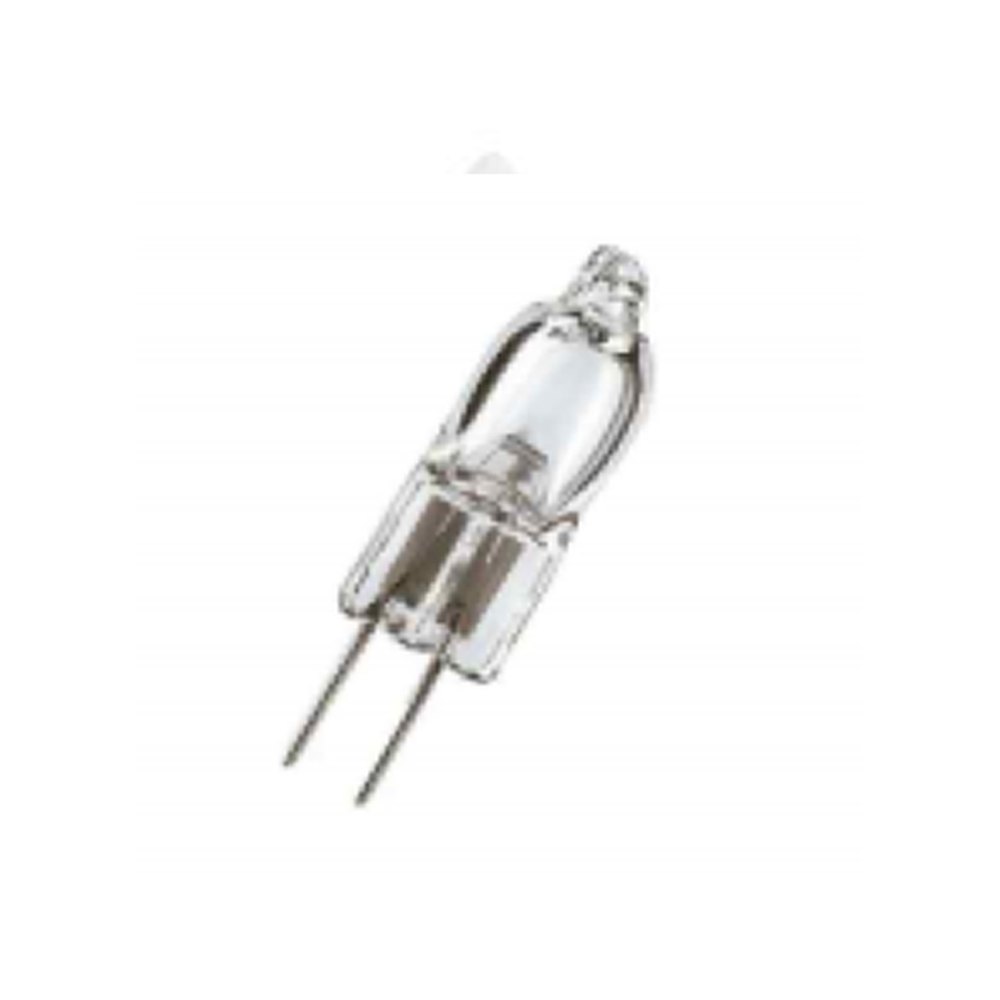
The garden cabin outside town has no mains yet, and the only socket in the garage is a neighbour's extension lead. For places like these there is a simple, safe answer: a 12-volt battery and LED lighting designed for it. A battery meant for a car or boat can run several lamps through long evenings, provided the system is calculated and put together properly.
Why LED, and why 12 volts
Twelve volts is far below mains voltage and in dry conditions poses practically no shock hazard to people, which suits both a garden cabin and a damp garage. At low voltage, however, current is high for the same power: a 60-watt load at 12 volts draws about 5 amps. With incandescent bulbs that would flatten a battery in an evening or two. LED lamps give the same light for far less power, which is what makes battery lighting practical.
An important rule: you cannot connect an ordinary 230-volt E27 bulb straight to a battery; it will either not light at all or glow very faintly. For low voltage you need purpose-made 12-volt LED lamps (some come with the same E27 base, but the voltage is clearly marked), LED strips, or ready-made 12-volt fittings. If you want to use ordinary bulbs, an inverter has to sit between battery and lamp, which means extra losses and extra equipment.
Capacity: how many hours will it last?
Battery capacity is given in amp-hours (Ah). To get energy, multiply capacity by voltage: 60 Ah × 12 V = 720 watt-hours. You cannot use all of that, though.
Ordinary lead-acid batteries, car batteries included, are damaged quickly by deep discharge. To protect their life it is recommended not to use much more than about half their capacity. So a 720-watt-hour battery realistically gives you around 350 watt-hours. Lithium iron phosphate batteries tolerate deeper discharge, but they come with their own protection circuit and charging rules.
Now a simple sum: if four 5-watt 12-volt LED lamps in a cabin are on for four hours each evening, that uses 4 × 5 × 4 = 80 watt-hours a day. A usable reserve of 350 watt-hours lasts about four evenings. Run the same calculation with your own lamp count and wattage, then add 20–30 per cent: cable losses, reduced capacity in cold weather and battery ageing all need to be allowed for.
Cable and fuse
The most common mistakes in low-voltage systems involve cable and fusing.
- Fuse. Fit a fuse or circuit breaker as close as possible to the battery's positive terminal. A battery can deliver a very large current; in a short circuit a thin wire can overheat and start a fire within seconds.
- Cable size. Voltage drops along long runs and the lamps dim. Bell wire is not enough for a run from one end of a garage to the other; choose the cross-section for the distance and current.
- Connections. Twisted ends wrapped in tape corrode in damp air. Use terminal blocks, crimp connectors or solder.
- Polarity. LED lamps are polarity-sensitive; do not mix up the red and black wires.
- Switches. A switch for each lamp or group is both convenient and economical.
Charging and storage
You can charge the battery in town and bring it back, but a small solar panel with a charge controller is more convenient. The controller prevents overcharging, and some models also disconnect the load at low voltage, which saves the battery from deep discharge.
A lead-acid battery can give off gas while charging in a garage. Keep it in a ventilated spot away from sources of sparks. A discharged battery is more at risk of freezing in winter, so store it fully charged at the end of the season.
When to consider a different solution
A 12-volt system suits a few lamps, phone charging and small devices. If you need power tools, a heater or a fridge, a system with an inverter and a larger battery bank, or a mains connection, is the realistic choice. Such a system should be designed with an electrician.
Once mains electricity reaches the cabin you can move to standard 230-volt LED bulbs; at that point ordinary mains bulbs such as the E27 Zəfər İşığı models, available in several wattages, become the simpler choice.
All news