
How much electricity a multi-bulb chandelier uses
Eight, twelve, sometimes twenty bulbs in one chandelier. How to work out what they use together, and practical ways to bring that figure down.
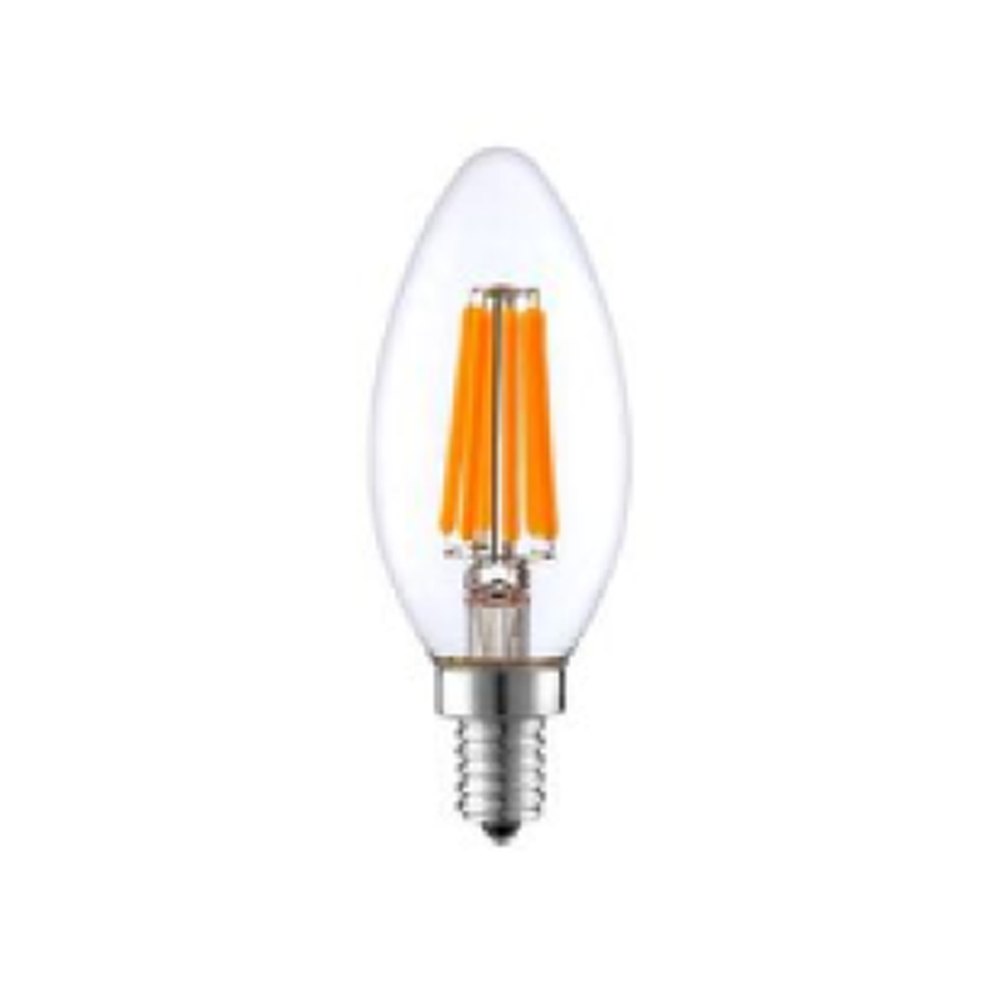
A classic chandelier is the centrepiece of a living room: brass arms, crystal drops, a candle bulb on every arm. Much of its charm lies in the number of bulbs. Yet few people think about how that number shows up on the electricity bill, especially if the chandelier was bought years ago with incandescent bulbs.
The basis of the calculation
A chandelier's power is simply the sum of all the bulbs in it. If it has a transformer or a remote-control receiver, add their small consumption too. The rest takes three steps:
- multiply the number of bulbs by the wattage of one bulb to get total power;
- multiply total power by the hours it is lit each day and divide by 1,000 to get daily kWh;
- multiply the daily figure by 30 to see monthly consumption.
An example: a 12-arm chandelier with a 40-watt incandescent candle bulb on each arm. Total power is 480 watts. If it is on for 4 hours on an average evening, that is 1.92 kWh a day, or about 58 kWh a month. In some small flats that is more than all the other lighting put together.
Now imagine the same chandelier fitted with LED candle bulbs drawing 5 watts each. Total power is 60 watts, daily use 0.24 kWh, monthly about 7 kWh. The look stays the same while consumption falls eightfold. The 5 watts here is just a number for the arithmetic; when choosing real bulbs, check the wattage and light output on the box.
Why a chandelier is a special case
In a single-bulb ceiling light, moving from incandescent to LED means changing one bulb. In a chandelier a multiplier is at work: the tens of watts saved per bulb are multiplied by the number of arms. Chandeliers also tend to hang in the most used rooms, the living or dining room, and stay on for hours when guests come or on holidays.
Heat is part of the picture too. Hundreds of watts of heat concentrate in one spot; inside closed glass cups the bulbs run very hot, and lampholders and wiring grow brittle over time. Blackened insulation in chandelier holders after years of incandescent bulbs is not unusual.
Switch groups: do all the bulbs need to be on?
Many chandeliers are wired to a two-gang switch: one rocker lights part of the bulbs, the other the rest, for example a 2+3 split on a five-arm fitting. Some modern chandeliers use a remote instead of a switch, with modes such as all bulbs, half, or decorative light only. In those models the receiver draws a trickle of power even while the chandelier is off, because it is waiting for a signal; the amount is small but it runs all year. Using that everyday cuts consumption further:
- one group is enough for watching TV or chatting;
- full light is only needed for guests, cleaning or looking for something;
- if there is a floor lamp or wall light nearby, many evenings the chandelier need not be on at all.
If your chandelier is on a single switch, an electrician can usually split the wiring into two groups and connect it to a two-gang switch, since each arm often has its own wires inside the fitting.
Switching to LED: points to watch
When replacing chandelier bulbs, keep these points in mind:
- The base is usually E14, but large chandeliers sometimes use E27. Remove one bulb and check.
- Use the same colour temperature on every arm; mixed light makes a chandelier look patched.
- In clear crystal chandeliers, clear filament candle bulbs keep the sparkle, while frosted bulbs give a softer but duller look.
- If the chandelier is on a dimmer, the LED bulbs must be dimmable, otherwise flicker and buzzing follow.
- Change them all at once: half old and half new bulbs will show differences in both colour and brightness.
Check the numbers for your own chandelier
To see your own figures, note the number of bulbs, the wattage of each and roughly how long it is on, then apply the three steps above. Enter the bulb count and the old wattage into the savings calculator on the site to see the yearly difference straight away.
Multi-arm chandeliers and wall lights can take Zəfər İşığı frosted E14 candles or straight and teardrop filament lamps, all produced in Ganja.
All news