
Lighting during power cuts: running LEDs on a UPS or generator
Keeping the lights on at home or in a small office during a power cut: choosing a UPS or generator, sizing the LED load and avoiding common mistakes.
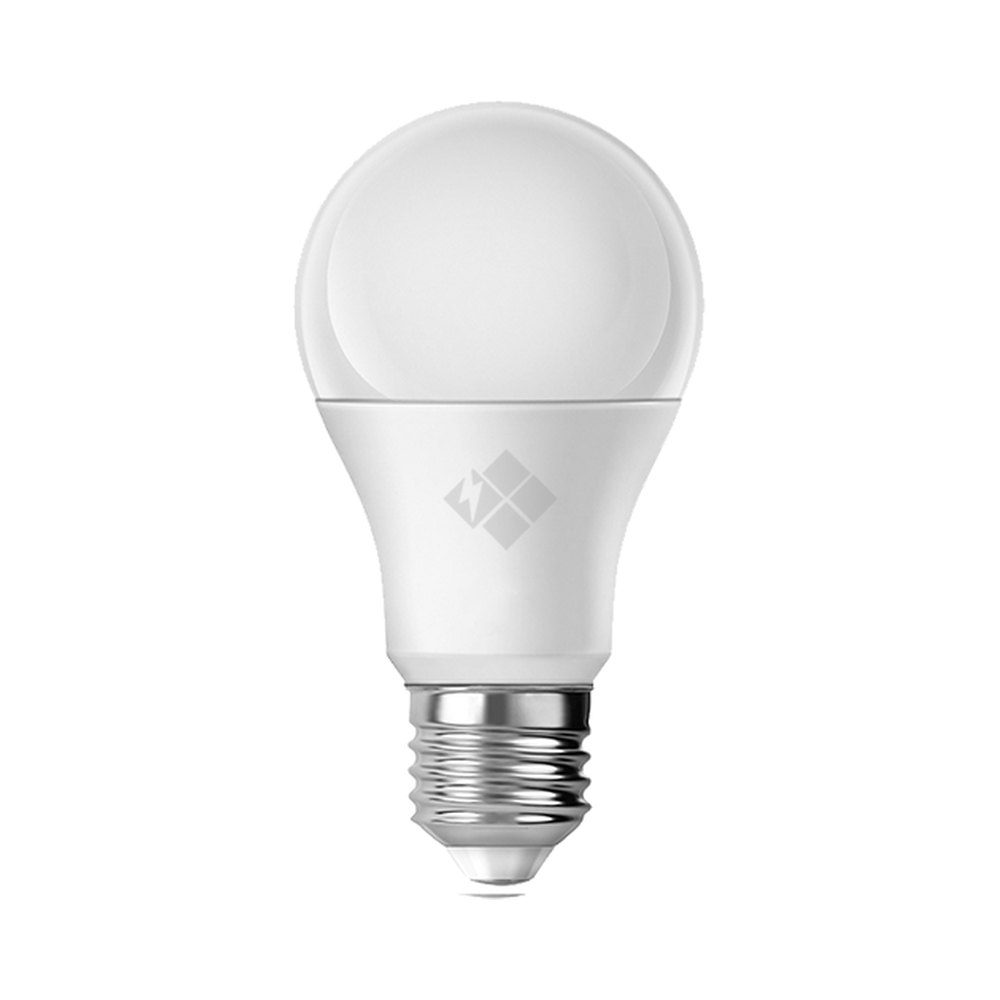
When the power goes off, light is the first thing people reach for. A phone torch helps for a while, but if the outage lasts for hours, a home or small workplace needs something more reliable. The two most common options are a UPS (uninterruptible power supply) and a generator. LED lighting works well with both, but a few technical details are worth knowing.
Why LED makes the difference
A backup power source is always limited: a UPS by its battery, a generator by its output and its fuel tank. The smaller the lighting load, the longer the same equipment lasts. Five rooms with 60-watt incandescent bulbs make a 300-watt load; the same rooms with LED bulbs of 8 watts each make 40 watts. In the first case a small UPS might last some minutes; in the second, hours. The wattages here are for illustration.
So if you are planning backup power, first check whether old bulbs are still in use at home, and only then decide on the size of the equipment.
A UPS: how long will it run?
A UPS usually carries two ratings: VA (volt-amperes) and W (watts). On household models the watt figure is lower than the VA figure. Size the load by the watts, and do not fill it to the limit.
To estimate runtime you need to know the battery's energy. Small office UPS units often contain a single 12-volt, 7–9 amp-hour battery: roughly 80–100 watt-hours. Allowing for inverter losses and the fact that a battery should not be fully drained, the usable energy is a good deal less. A 40-watt LED load might run for close to an hour on such a unit; a 300-watt incandescent load would drain it very quickly or trigger an overload alarm straight away.
For longer outages, a UPS that accepts external batteries, or an "inverter plus battery" system, is a better fit.
Waveform and flicker
A UPS or inverter turns the battery's direct current into alternating current. Cheap models produce a stepped ("modified") waveform rather than a pure sine wave. A computer power supply usually tolerates that, but some LED bulbs on such a supply may:
- flicker visibly;
- hum faintly;
- fail sooner because the driver runs hotter.
This does not happen with every bulb, so testing in advance is the best check: while the mains is on, unplug the UPS and see how the lamps behave on battery. For a system bought specifically for lighting, a model with pure sine output is the safer choice.
A generator: voltage and load
Petrol and diesel generators suit long outages, but their output is not as stable as the grid. As the load changes, for example when a fridge compressor starts, voltage and frequency wobble briefly. With LED bulbs this can show as a short flicker. Bulbs with a good driver handle such changes well.
A few important rules:
- Size the generator for everything that will run at the same time, not just the lights; appliances with compressors draw a starting current many times their rated power.
- Inverter generators give a more stable voltage and are better suited to electronics.
- Never run a generator indoors, in a garage or a basement: the exhaust contains carbon monoxide.
Connecting to the house: safety first
Back-feeding a generator or large inverter into the house wiring through a socket with an extension lead is very dangerous. When the mains returns, grid and generator are short-circuited, and line workers can be exposed to unexpected voltage. The proper way is a changeover switch fitted by an electrician: it connects the house either to the grid or to the generator, never to both.
There is a simpler approach too: a separate "backup circuit" for a few essential points, say the kitchen, the hallway and one room. A small UPS or generator then supplies only those lights, not the whole house.
Power cut checklist
- Choose the light points that will run on backup and make sure they have LED bulbs.
- Test the UPS on battery once or twice a year; batteries lose capacity over time.
- Start the generator before the season to check it, and store fuel safely.
- Keep a rechargeable torch or a self-contained emergency light at home, just in case.
For light points on a backup circuit at mains voltage, Zəfər İşığı LED bulbs can be used; the catalogue lets you sort these Ganja-made bulbs by base and by wattage.
All news