
Lighting a garage or home workshop
A single bulb in a garage leaves shadows around the car, and in a workshop it leads to mistakes. Practical ways to set up strong, even, safe light.
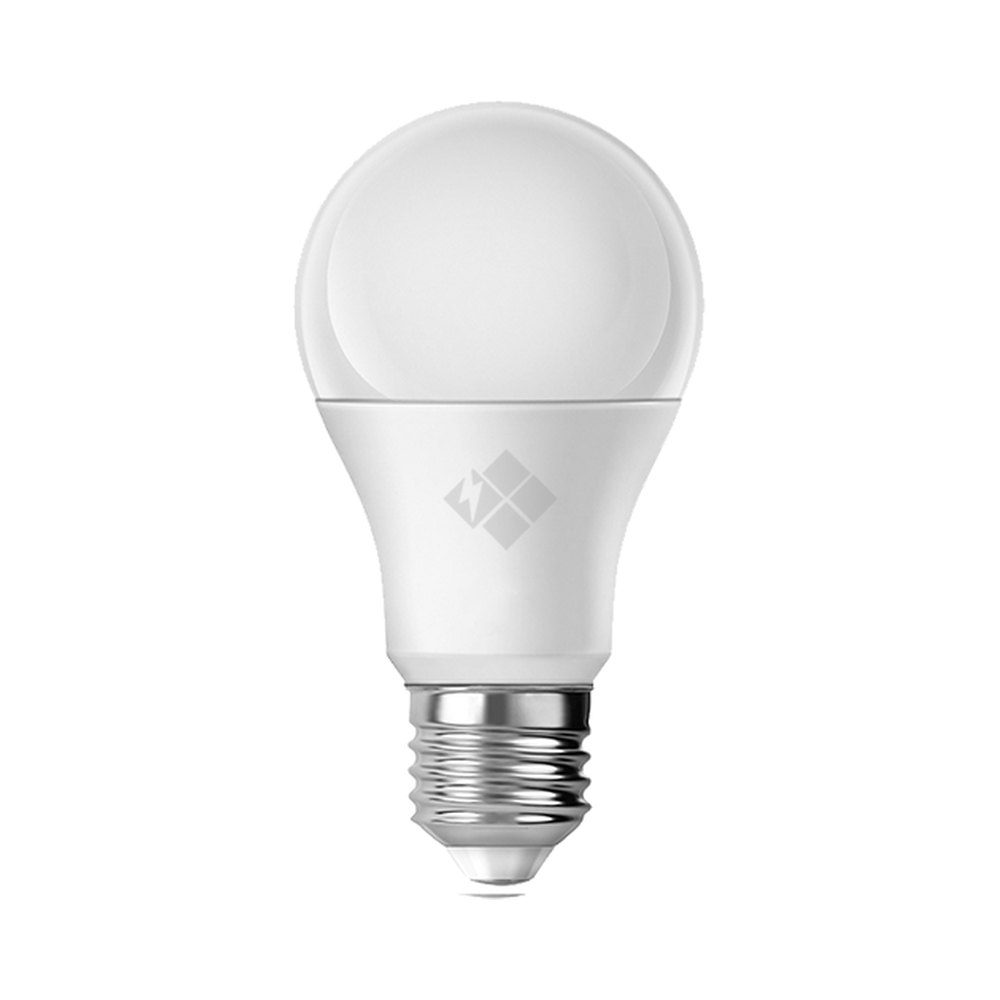
In many family homes the garage serves not just for parking but as a tool store, tyre rack, bike repair space and small woodworking corner. Yet the lighting usually consists of one bulb hanging in the middle of the ceiling. With the car inside, that bulb lights its roof while the sides and underside sit in deep shadow. In a workshop corner, a shadow falling across the line while using a saw or drill means a bad cut or an injured finger. Garage and workshop lighting needs a different logic from living spaces: the key criteria are evenness, plenty of light and durability.
Light around the car: from the sides, not above
Plan light sources in the parking area around where the car stands. Instead of a single central point, two rows of fittings running parallel along each side of the car give a much better result. Then the interior is lit when a door opens, the rear when the boot opens, and the lower part when you check the tyres.
Shelving or a workbench at the back of the garage, in front of the car, needs its own light point. By the door there should be light showing the entrance and the wall switch; getting out of the car in the dark and groping for a switch is both awkward and unsafe.
The workbench: shadow-free local light
Precise work in a workshop, such as measuring, cutting, soldering or handling small parts, needs far more light than general lighting provides. Mount a linear fitting or several lamps above the workbench along its length. The fitting should be above the front edge of the bench or slightly in front of it, not behind the person, so that head and hands do not cast shadows.
For small parts, an extra lamp on an adjustable arm is useful. It can be swung left or right depending on which side you are working from.
Colour temperature and seeing colours
Neutral or cool white light supports alertness and makes detail visible in a garage or workshop. When working with colour, such as paint, varnish, wire colours or a car's paintwork, how accurately the light renders colour matters especially. Where the box lists CRI, favour the higher number for work that depends on colour. Under poor light it is easy to confuse red and brown wires or paints of similar shades.
Rotating tools and flicker
Workshops carry a little-known but serious risk: the stroboscopic effect. Flicker can make a saw blade, lathe chuck or fan look as if it has slowed down or stopped. This is a well-known problem with older fluorescent lamps on magnetic ballasts, and it also occurs with LED lamps that have poor drivers.
To prevent it:
- choose lamps with good drivers and low flicker;
- do a simple phone camera check, and if bands show on the screen, the lamp is not suitable for a workshop;
- lighting the bench from several sources on different circuits reduces the effect.
Garage conditions: dust, cold, knocks
A garage is an unheated, dusty and sometimes damp space. In winter the temperature drops, and opening the door lets in dust, rain and cold air. In these conditions:
- choose enclosed fittings protected against dust and splashes;
- make sure the housing is impact-resistant, since long timber, ladders and bikes can easily knock it;
- a fitting with a plastic diffuser is safer than an exposed glass bulb;
- choose LED lamps that start without delay in cold weather.
In a garage storing fuel, paint and solvents, avoid equipment that gets hot or can spark. The surfaces of incandescent and halogen bulbs become very hot; LED lamps are safer in this respect, but the storage rules for flammable materials must be followed regardless.
The wiring is part of the plan too:
- Provide a separate circuit, circuit breaker and residual-current device for the garage and workshop.
- Split the lighting into groups: parking area, workbench, shelving.
- Put a switch or motion sensor by the entrance.
- Keep sockets for power tools on a separate circuit from the lights, so the lights do not trip when a heavy tool starts.
Quick checklist
- Both sides of the car are lit.
- The workbench has shadow-free local light.
- Lamps that render colour accurately have been chosen.
- Flicker has been checked near rotating tools.
- Fittings resist dust, moisture and knocks.
- The circuit is protected and lighting groups are separate.
For garages and workshops Zəfər İşığı offers several strong options: a 60-watt folding lamp with four wings, T lamps in a range of wattages, and 18- and 22-watt E27 LED bulbs.
All news