
Floor lamps and wall lights: soft extra light in a room
Floor lamps and wall lights fill the spots a ceiling light leaves in shadow and give a room a calm evening mood. Types, placement and bulb choice.
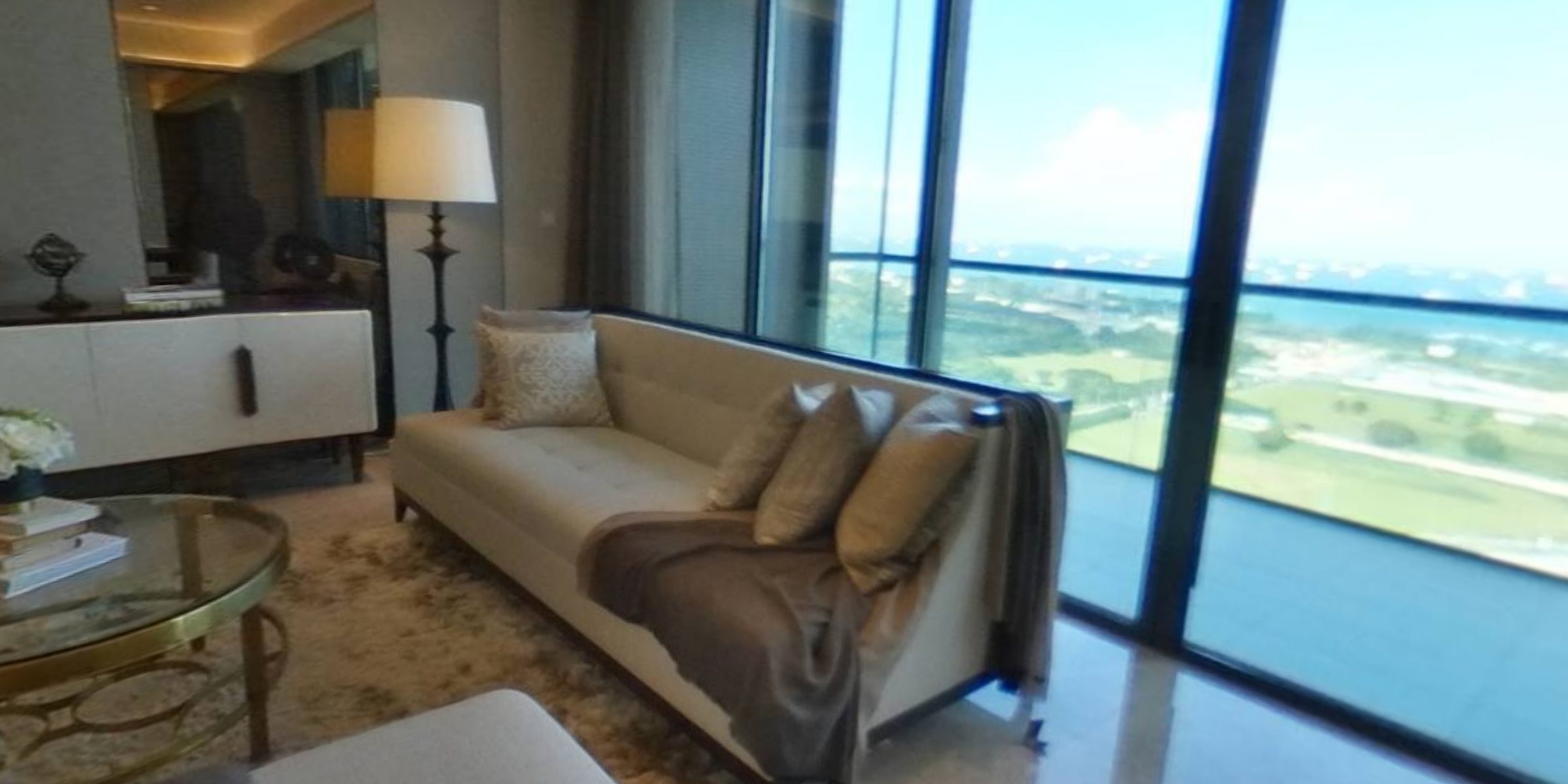
In the evening, many homes switch off the ceiling light and leave the room to the cold glow of the TV screen. The reason is simple: ceiling light is useful by day but feels too bright and formal in the evening. Floor lamps and wall lights fill exactly that gap. They give a room soft, low-level light, bring corners to life and create comfortable conditions for reading and conversation. But a floor lamp in the wrong place, or a wall light that shines in your eyes, brings discomfort instead of comfort.
Types of floor lamp and what they suit
“Floor lamp” covers several quite different types of fitting, and they give off light in very different ways:
- Classic floor lamp with a shade. A fabric shade directs light up and down and diffuses it softly to the sides. A versatile choice beside an armchair or at the end of a sofa.
- Uplighter. Throws light onto the ceiling, and the diffuse light reflected back gently lights the whole room. It makes a low ceiling feel higher, but is less effective with a dark ceiling.
- Reading floor lamp. A model with a bendable or swivelling head that directs light onto a small area, intended for books, sewing or notes.
- Arc floor lamp. Its long arm extends light over a sofa or coffee table. It can replace a pendant where there is no ceiling light point.
Some models combine two functions: general uplight and a separate reading arm.
Wall lights: saving floor space
A wall light takes no floor space, and its cable can be hidden in the wall. That makes it handy for narrow passages, above a bed, over a sofa and beside a mirror. When choosing a wall light, look at the direction of the light:
- a wall light that shines up and down creates a decorative wash on the wall and is about atmosphere;
- a directional light with a swivelling head works as a reading light;
- a wall light with a frosted shade gives soft ambient light.
The mounting height depends on the function. Above a sofa, place it so light comes over the shoulder of a seated person; above a bed, so it does not shine into the eyes when lying down but lights a book when sitting up. In a walkway, a wall light that projects too far can hit heads or shoulders.
Placement: layers of light
Floor lamps and wall lights are an extra layer in a room's lighting plan. These principles help when placing them:
- Fill dark corners. Ceiling light covers the centre while corners stay in shadow. A floor lamp in a corner makes the room feel larger.
- Tie them to seating. With a floor lamp beside an armchair and slightly behind the person sitting, light falls on the book while the eyes do not see the bulb.
- Watch for glare. The bulb itself should not be visible below or above the shade, whether sitting or standing.
- Keep reflections off the TV. A floor lamp or wall light facing the screen creates a bright spot on it; place them to the sides of or behind the screen.
- Think about the cable. A floor lamp in the middle of a room should not have its cable crossing a walkway; a floor socket or cable cover solves this.
Choosing bulbs
For floor lamps and wall lights, the goal is soft light, not maximum brightness. A warm colour temperature suits the evening mood. For a reading lamp, a slightly brighter bulb closer to neutral shows the page clearly.
The size and material of the shade limit the bulb. In fabric-shaded fittings, respect the stated maximum wattage; LED bulbs run cool, reducing the risk of the shade yellowing or overheating. In wall lights with clear glass shades, a frosted bulb or a decorative filament lamp reduces glare. In floor lamps with a dimmer, the bulb must be dimmable.
If a room has several floor lamps and wall lights, their bulbs should share the same colour temperature; otherwise patches of differently tinted light appear on the walls.
Quick checklist
- Each floor lamp or wall light is chosen for a specific seat or dark corner.
- The bulb itself is never visible.
- There is no reflection in the TV screen.
- Cables do not cross walkways.
- Bulb wattage respects the shade's limit.
- All the extra lights in the room share the same colour.
Floor lamps and wall lights have several Zəfər İşığı options: E27 LED bulbs, E14 candles and E14 filament lamps with straight or teardrop glass.
All news