
The three layers of lighting: ambient, task and accent
In professional lighting design a room is lit not by one lamp but in three layers. What each layer does and how to combine them at home.
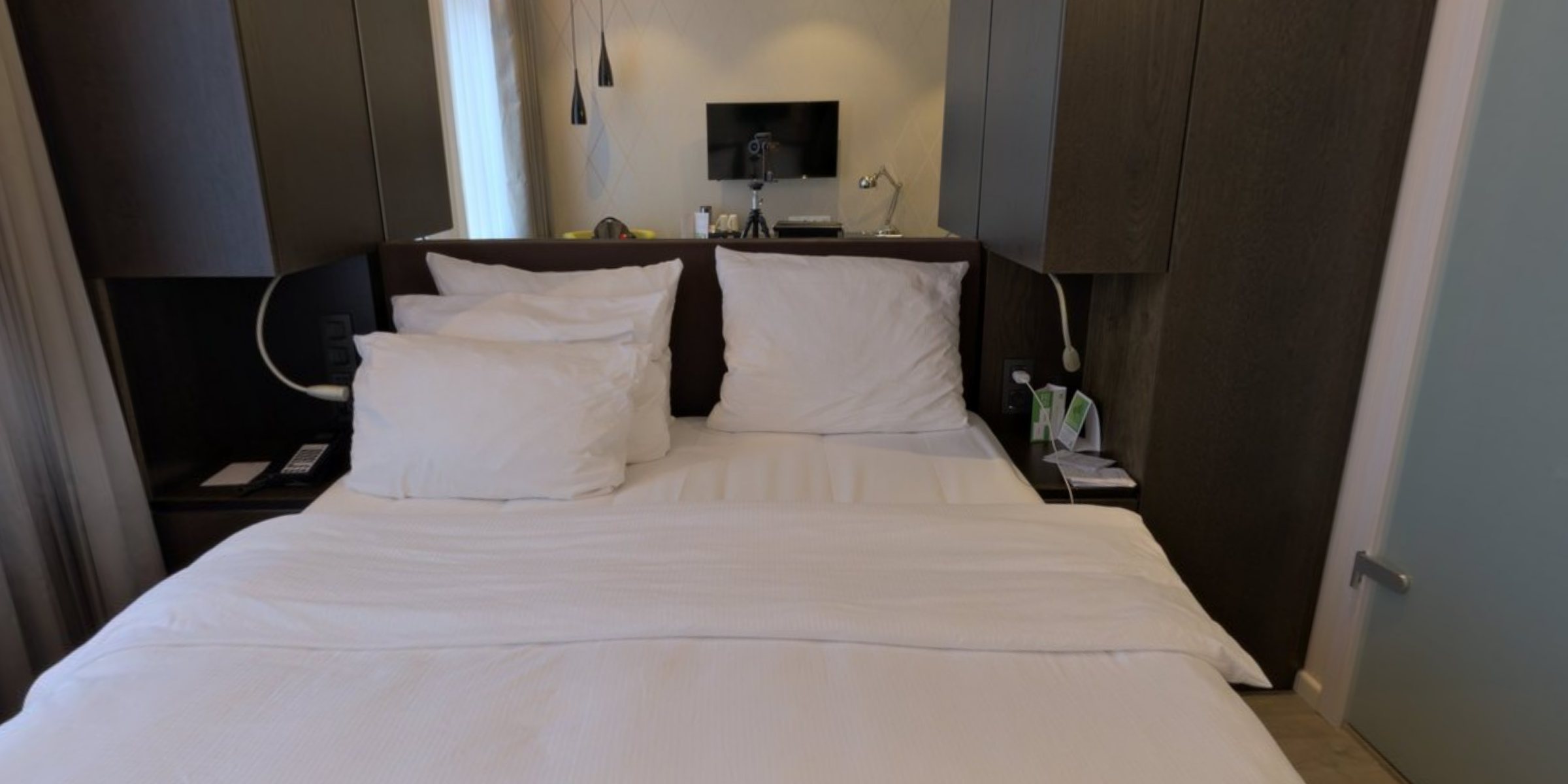
The same room can make a completely different impression in two homes: in one it feels cold and flat like an office, in the other warm, deep and comfortable. The difference often lies not in the furniture but in how the light is arranged. Lighting design has a simple model that explains this: dividing light into three layers. Ambient light, task light and decorative or accent light. The model may sound technical, but it is really a practical way of thinking that applies to any home.
Layer one: ambient light
Ambient light is the foundation of a room. Its job is to provide enough even light to move around safely, find things and clean. It usually comes from above: a chandelier, a ceiling fitting, a row of spotlights, concealed cove lighting or an uplighter that bounces light off the ceiling.
Signs of good ambient light:
- light is roughly even throughout the room, with no dark corners;
- the source does not shine straight into the eyes or create harsh shadows;
- the colour temperature suits what the room is used for.
The most common mistake is trying to meet every lighting need with this layer alone. The ambient light then ends up too strong, the room looks flat, shadowless and lifeless, and it still is not enough for precise work.
Layer two: task light
Task light is aimed at a specific place for a specific activity: a kitchen worktop, a desk, a reading chair, a mirror, a sewing area. It needs more light than ambient light and must fall without shadows.
The main rules of task light:
- the source is beside or in front of the person, close to the work surface, not behind them;
- the bulb is not visible, thanks to a shade, a directional head or an under-cabinet profile;
- when task light is on, ambient light stays on too, so there is no sharp contrast between a bright surface and a dark background;
- colour temperature is often slightly more neutral than the ambient light, because it shows detail and colour more clearly.
Without task light, people squint, lean over the work and end up with headaches and neck pain after long sessions. Controlling it on its own switch is both convenient and economical, as it goes off when the task is done.
Layer three: decorative and accent light
This layer gives a room character, depth and mood. Its job is not to help you see but to show: a picture on the wall, a collection on a shelf, the texture of a brick wall, a plant, the shape of the ceiling.
Types of accent light:
- a narrow-beam spotlight aimed at a picture or object;
- hidden LED strip inside shelves and display cabinets;
- a fitting that washes a wall from below;
- indirect light in coves and niches;
- a decorative pendant with filament bulbs, or candles.
Accents need contrast to work: accent light must be noticeably stronger than the ambient light around it. If everything is equally bright, nothing stands out. On the other hand, too many accents make a room look busy; two or three focal points per room are usually enough.
Combining the layers: scenarios
The three layers only make sense when controlled separately. If they share one switch, the model does not work. Plan a separate switch for each layer and, where possible, dimming. Then think about combinations for typical situations in the room:
- Cleaning or searching: ambient light at full.
- An ordinary evening: ambient light low, decorative light on.
- Reading or working: task light plus a gentle ambient background.
- Guests: medium ambient light and all the accents.
- Watching a film: only dim decorative light, behind or beside the screen.
When two layers are on together, keep their kelvin values close. Decorative light can be a touch warmer, but a sharp clash with the ambient light makes a room look fragmented.
Three layers in a small room
It is a mistake to think three layers require lots of fittings. In a small bedroom, one frosted ceiling fitting can be the ambient light, a wall light by the bed the task light, and a short LED strip under a shelf the decorative light. A single floor lamp can sometimes combine two layers, with uplight for ambient and a side arm for reading. What matters is that a source and a control have been thought through for each function.
Each of the three layers can be built with Zəfər İşığı products: E27 LED bulbs and an adjustable panel spot for ambient light, GU10 and G5.3 spot lamps for directional light, and filament and candle lamps for decorative light.
All news