Lighting shelves and display cabinets at home
A bookshelf, china cabinet or collection case becomes a room's focal point with the right light. Direction of light, heat and protecting the objects.
A family china set, souvenirs collected on travels, a model car collection or simply neatly arranged books stand out in daylight, but in the evening under the ceiling light they turn into dim, shadowy shelves. Shelf and cabinet lighting makes these objects visible again and adds depth to the room. There are two risks, though: the wrong light can make objects look worse, with glare, shadows and patchy spots, and it can harm some materials. The right approach starts with the direction of light and the type of object.
Open shelves: from the front or from within
There are three main approaches for open bookshelves and display shelves:
- A directional spotlight from the ceiling or wall. A spot in front of the shelving, set slightly forward in the ceiling, lights the whole unit evenly. If it is too close, light reaches only the top shelf while the lower ones sit in the shadow of those above.
- Hidden LED strip along each shelf's front edge. Light falls onto the shelf below and lights the faces of the objects. Hidden in a profile behind the front edge, the strip causes no glare.
- Back-wall lighting. Light behind the shelving, aimed at the wall, shows objects as silhouettes. It is effective for glass, ceramics and figurines but no good for reading book spines.
Linear light mounted along the vertical uprights, at the sides of the shelving, also gives objects volume and reduces shadows between shelves.
Glass display cabinets
A closed glass cabinet protects objects from dust but makes lighting harder. Glass doors and glass shelves both reflect and transmit light. A few rules help:
- put the light inside the cabinet, at the top or on the side uprights, because light from outside creates a bright reflection on the glass door;
- glass shelves let light pass down, so one source at the top can light several shelves, whereas wooden shelves need a light for each shelf;
- if the cabinet has a mirrored back, the light source should not be visible in the mirror;
- for china, crystal and glass, small directional light creates sparkle and reflections, while diffuse light suits matt ceramics better.
Heat and protecting materials
A display cabinet is an enclosed space and heat builds up quickly inside. Old halogen spots heated cabinet interiors considerably, which was harmful to wood, lacquer, glue and some collectable materials. LED light is safer in this respect, but the driver or transformer should be in a ventilated position outside the cabinet.
Some objects are sensitive to light. Paper, old photographs, textiles, natural dyes, leather and some plastics fade and yellow under strong light over time. For such collections:
- switch the light on only while viewing, not all day;
- choose soft, diffuse light instead of strong direct light;
- do not keep the cabinet in direct sunlight, since daylight contains much more ultraviolet;
- for valuable documents and photographs, consult a specialist about protective glazing and museum practice on limiting light.
Colour and brightness
Shelf lighting should match the room's general light in colour temperature. Warm wooden shelves and books look comfortable in warm light; white china and silver look cleaner and brighter in neutral light. If there are several cabinets in a room, keeping their colour the same makes the room look coherent.
Accent light gets its effect from contrast: the shelving should be somewhat brighter than the surrounding ambient light. But very strong light flattens objects, washes out colours and tires the eyes. A dimmable system lets you set different scenes for evenings and for guests.
Installation and control
- Run cables behind the shelving or inside the uprights, not in view.
- Place the LED strip power supply outside the shelving or cabinet, somewhere accessible.
- Control shelf lighting on its own switch or timer; decorative light does not need to stay on all night.
- Small battery lights can be a temporary solution where wiring is not possible.
- Mains-voltage connections should be made by an electrician.
Quick checklist
- Every shelf is evenly lit, and lower shelves are not in shadow.
- Light sources and glare are not visible.
- There is no reflection of outside light on the glass door.
- Heat does not build up in the cabinet, and the power supply is outside.
- Light-sensitive objects have a limited-light regime.
- Colour temperature matches the room and the lighting has its own control.
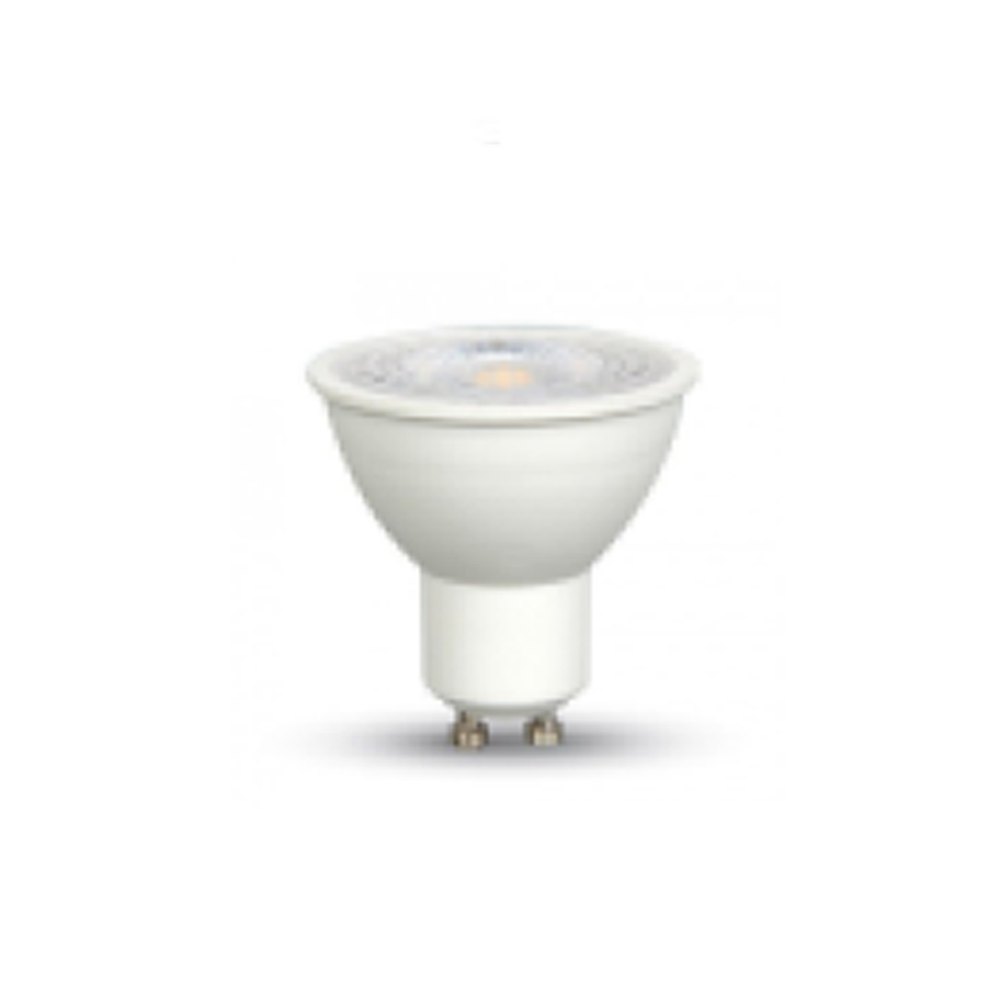
For directional spotlights accenting shelves and collections, you can use Zəfər İşığı GU10 and G5.3 spot lamps made by Zaferoğlu Elektrik in Ganja; check the beam angle and colour temperature when choosing.
All news