
Lighting a yard and garden: paths, gates and seating areas
Yard lighting is for security, safe movement and evening relaxation. Planning by zone, choosing fittings and the rules of electrical safety.
At a private house, once evening falls the yard either disappears into darkness or a single powerful floodlight on the wall drowns everything in harsh white light. Both are uncomfortable. In the first case you need a torch to get from the gate to the door; in the second, sitting on the terrace is unpleasant, light spills into the neighbours' windows and insects swarm. Good yard lighting comes not from one source but from several quiet layers divided by function.
Start by defining zones
Sketch the yard and note what happens there in the evening. These zones usually emerge:
- Entrance and gate. Recognising visitors, finding keys, seeing the doorbell.
- Footpaths and steps. Routes from the house to the garage, outbuildings or pool.
- Driveway and parking. Seeing edges and obstacles while manoeuvring.
- Seating area. Terrace, gazebo, barbecue and table.
- Garden and features. Trees, shrubs, a fountain.
- Utility areas. Shed, bins, outdoor tap.
Each zone has different lighting needs, and controlling them all from one switch at the same output makes no sense.
Entrance and paths: the security layer
At the gate and front door, light should let you see a visitor's face. A wall light beside the door, slightly above eye level, does this well; light from directly above alone puts the face in shadow.
For footpaths, low-level fittings that direct light downward, such as small bollards or lights set low in walls, are the most comfortable solution. They do not dazzle, they show the edge of the path and they do not spoil the look of the garden. Steps, changes in level and the edge of a pool must always be lit.
On the driveway, motion-sensor lighting is both economical and practical: it comes on as a car approaches and switches off after a while.
Seating area: soft, warm light
A powerful floodlight is not suited to sitting on a terrace or in a gazebo in the evening. Warm, low, diffused light creates atmosphere here. A pendant above the table, a wall light or decorative string lights are enough. At the barbecue, a separate, somewhat brighter local light helps you see what you are cooking.
Warm light has another advantage: insects are drawn more to short-wavelength light close to blue and ultraviolet, so warm light usually attracts fewer of them. Placing the light a little to the side of the seating rather than directly above it also helps.
Garden and decorative light
Light aimed up a tree trunk or small spotlights hidden among shrubs give a yard depth in the evening. Coloured light creates a fun effect for celebrations and events, but for everyday use natural tones look calmer. Controlling decorative lighting on a separate switch or timer and turning it off after midnight is sensible for both energy and dark night skies.
Prevent light from shining upward, into a neighbour's yard or onto the street. Light pollution does not just annoy neighbours; it also disrupts the natural rhythms of birds and insects.
Choosing fittings: conditions are harsh
Outdoors, fittings face rain, dust, water from sprinklers, frost in winter and sun in summer. So:
- choose fittings designed for outdoor use with a high ingress protection (IP) rating, and a higher rating where direct rain and water jets reach;
- in-ground fittings in contact with soil must meet separate, stricter requirements;
- prefer corrosion-resistant materials, especially near the sea;
- check that plastic parts are UV-resistant.
Electrical safety
Yard lighting carries more risk than indoor wiring: there is soil, water and the chance of mechanical damage.
- The yard circuit should have its own circuit breaker and a residual-current device.
- Underground cables must be of a suitable type, laid in protective conduit at sufficient depth, and their route recorded so they are not damaged by later digging.
- Metal fittings and posts must be earthed.
- Around pools and fountains, only equipment permitted for those conditions should be used.
- Outdoor wiring is a job for an electrician, not a DIY project.
Control deserves as much thought as safety, because yard lights burn for long hours. A practical split:
- A daylight sensor or timer for the entrance and paths.
- Motion sensors for the driveway and utility areas.
- A separate manual switch for seating and decorative light.
- LED bulbs everywhere, since the consumption difference really shows on outdoor lights that burn for long hours.
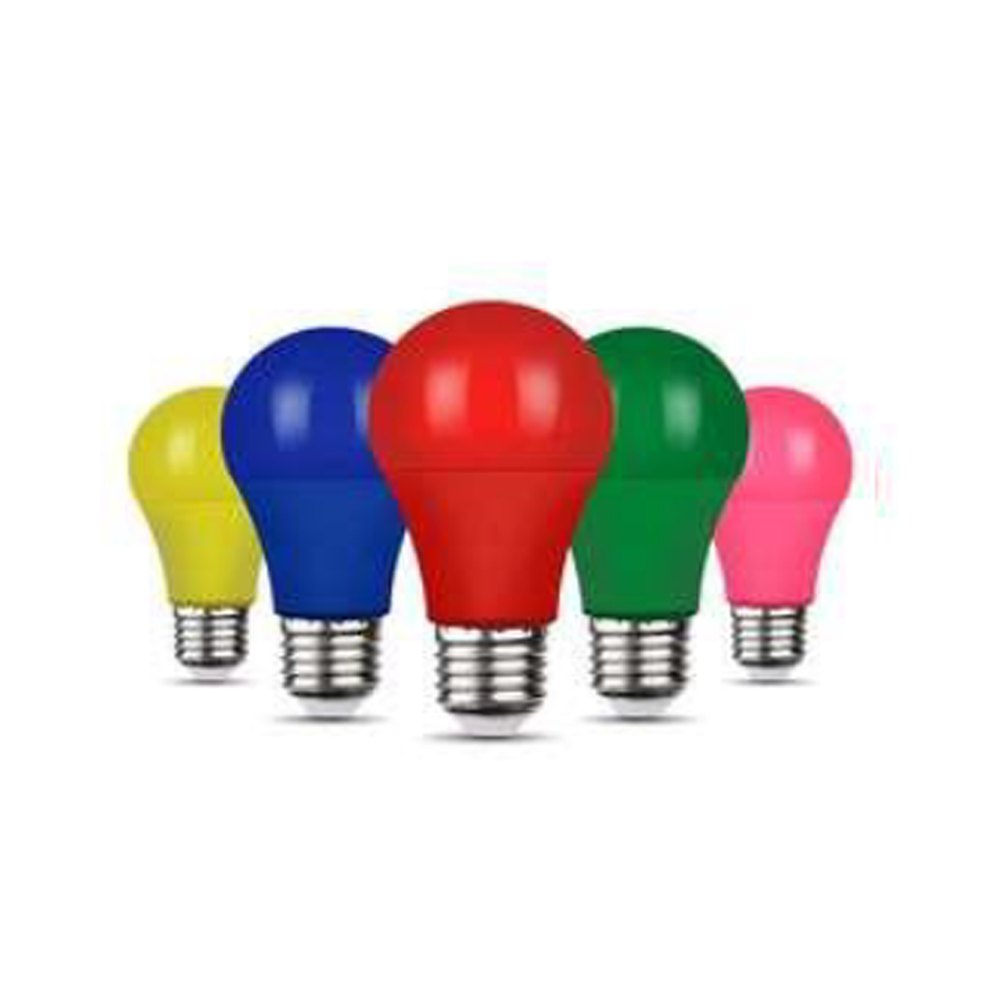
Closed, damp-proof garden fittings can take Zəfər İşığı E27 LED bulbs, and the 9-watt coloured model adds a decorative touch. Check what bulb type and wattage the fitting allows.
All news