
Office lighting basics: panels, light levels and layout
Good office lighting is not just about brightness: desks, screens, windows and the ceiling have to be planned together. The key criteria and common mistakes.
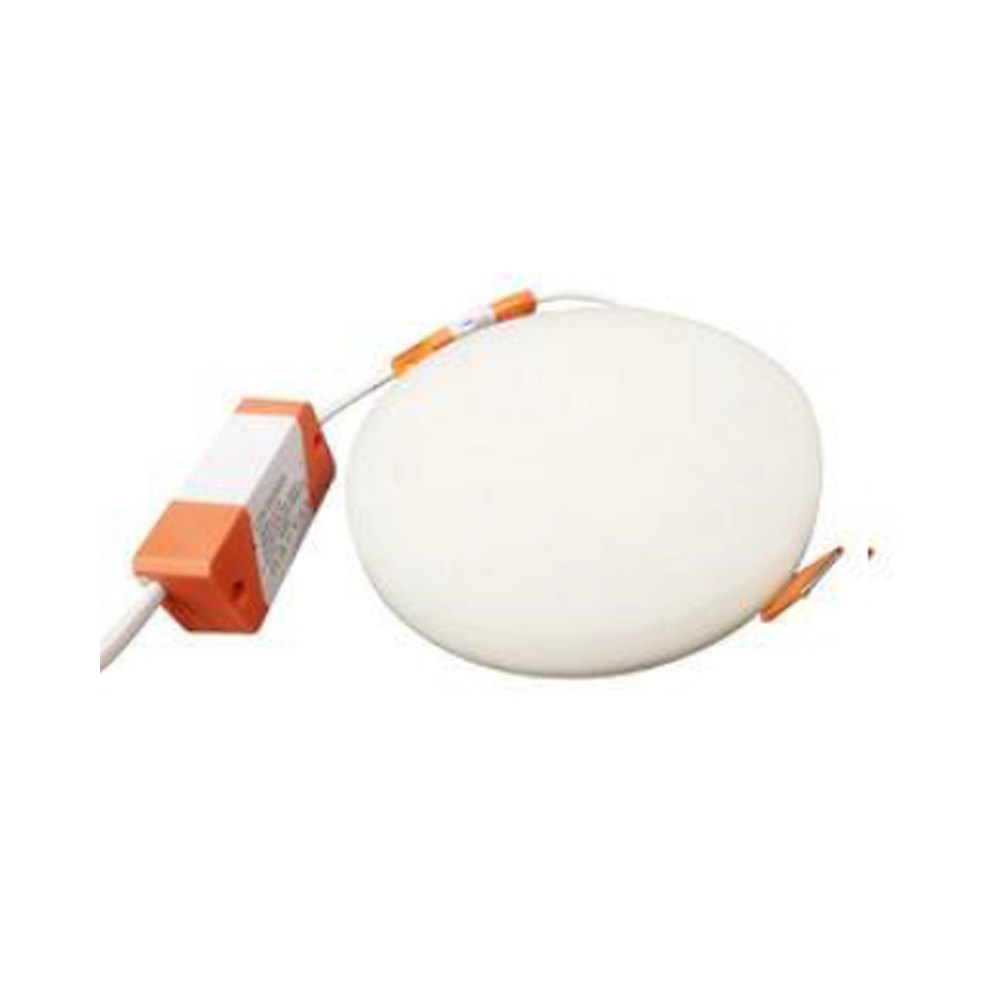
A team moving into a new office rarely notices the lighting in the first weeks. A month later the complaints start: someone sees glare on their monitor, someone else finds their eyes tired by late afternoon, and the people sitting far from the windows describe the room as dull. Most of these problems can be avoided with a handful of simple decisions at the planning stage.
How much light is needed
The document most often referred to for offices is the European standard EN 12464-1. For computer work, writing and reading it recommends an average of around 500 lux on the working surface. Requirements for corridors and circulation areas are much lower, while meeting rooms sit at roughly desk level, ideally with the option to dim.
What matters here is not the wattage of the fitting but the light that actually reaches the desk. The same panel can be enough under a low ceiling and too weak under a high one. Wall and furniture colours also play a part: dark floors and dark desks absorb some of the light, so the room looks darker than the calculation suggested.
Uniformity matters too. If one end of a desk is bright and the other is in shadow, the eyes have to keep readjusting. That is why fittings are planned for the whole task area rather than a single point.
Panels, glare and screens
In offices with Armstrong-type grid ceilings, 600×600 mm LED panels are the most common choice. When choosing them, look beyond the wattage at how the light is distributed. A panel with a fully clear or very bright surface reflects in monitors and causes glare.
Glare is assessed with the UGR value; for computer workstations a value below 19 is usually expected. It depends on the optics of the fitting, whether a microprismatic diffuser, a louvre grid or an opal cover, and should be stated in the manufacturer's data sheet. If a fitting comes without this information, set up a test before rolling it out across an open-plan floor.
Layout: follow the desks, not the ceiling grid
The most frequent mistake is to arrange panels symmetrically on the ceiling grid because it looks tidy, and to think about the desks later. The result is that some workstations end up in the shadow between two panels.
A better approach:
- settle the furniture plan first, or at least mark the rows of desks;
- place fittings to the side of the work areas so that light falls on screens at an angle rather than straight on;
- wire the row parallel to the windows as a separate circuit, so it can be switched off or dimmed when there is daylight;
- aisles and the spaces between archive shelves need fewer fittings and do not have to match the density above the desks.
When monitors are placed at right angles to the windows, reflections from both the sun and the ceiling lights are reduced. This is not strictly a lighting decision, but it should be discussed together with the lighting plan.
Colour temperature and colour rendering
Offices most often use 4000K neutral white: it feels neither as drowsy as warm light nor as harsh as cool light. For a reception area or a break room, 3000K may feel more comfortable. Mixing panels of different colour temperatures in one open-plan space, however, creates a patchy ceiling.
A colour rendering index (CRI, Ra) of 80 or above is sufficient for ordinary office work. In rooms where people work with design, print or fabric samples, a higher value makes a visible difference.
Controls and day-to-day maintenance
Switching an entire office on and off from one switch is simple, but it is neither comfortable nor economical. Separate circuits by zone, dimming in meeting rooms and motion sensors in toilets and archive rooms are a sensible minimum. Larger offices also use central lighting control systems.
Think about maintenance as well. Keeping spare panels of the same model means a failed fitting is not replaced by a different one that is hard to match later. Wiping the diffusers once or twice a year prevents a gradual loss of light.
Zəfər İşığı LED lamps are manufactured in Ganja by Zaferoğlu Elektrik. Screw-in and spot lamps for an office's utility rooms, corridors and storage areas can be selected in the catalogue by cap type.
All news