Warehouse lighting: racks, aisles and loading areas
In a warehouse, light is there to read labels, drive forklifts safely and pick orders without errors. Approaches for racking aisles, picking areas and the loading dock.
Lighting is often the last thing anyone thinks about in a warehouse: a few powerful lamps go up on the ceiling and work begins. The problems surface later. Labels on the lower levels of tall racking cannot be read, the forklift driver cannot see the end of the aisle, and on the loading dock the wrong pallet goes onto the lorry in the evening. Getting warehouse lighting right means dividing the space into zones and thinking about each one separately.
Aisles: the light has to reach down
Narrow aisles between high racks are the hardest area. Light spreading widely from the ceiling lands on the tops of the racks and the boxes stored there, while the fronts of the lower shelves stay in shadow. What counts here is not the light on the floor but the light on the vertical face of the racking, which is where labels, barcodes and box markings are.
That is why aisle fittings are placed between the racks, in a line along the aisle. Fittings with an elongated light distribution throw light along the aisle instead of wasting it on the top of the racks. When aisle widths change or racking is rearranged, the fitting positions should be checked as well.
The European standard EN 12464-1 sets different requirements for storage: automated aisles where nobody walks need very little light, while aisles where staff work need a considerably higher level. The actual figures are chosen by the designer according to the activity.
The colour of the floor and racking also affects the result. A grey concrete floor and dark rack uprights absorb part of the light, while a light-coloured floor coating or white-painted walls create a brighter space with the same fittings. If the warehouse is being refurbished, it pays to discuss this together with the lighting plan.
Picking and packing areas
The tables where orders are picked, checked and packed are the office of the warehouse. Small print is read here, and colour and damage are checked. For this zone:
- provide local lighting over the tables in addition to general lighting;
- choose a neutral colour temperature (around 4000K) with good colour rendering, so product colours are not confused;
- place the fitting above and in front of the worker, not behind, or their own shadow falls on the table.
Loading dock and yard
The loading area is where indoor and outdoor lighting meet. A forklift driver leaving a dim warehouse for a bright yard in daytime, or coming back in, needs a few seconds for their eyes to adjust. Raising the light level slightly near the doors softens this transition.
The inside of the lorry body also needs light. Swivel-arm fittings mounted next to the dock door are used for this. Floodlights on the yard side should point at the loading area, not into drivers' eyes. All fittings installed outdoors must have an ingress protection rating suited to moisture and dust.
High ceilings, heat and servicing
Most warehouses have high ceilings, so reaching a fitting requires a lift. Therefore:
- choosing a long-lasting, reliable light source cuts servicing costs;
- using a single type of fitting simplifies spare parts;
- replacements are easiest to schedule for days when racks are empty or a stocktake is under way.
In hot conditions, for example when the air under the roof heats up in summer, LED drivers work under stress. In cold stores it is the opposite, but condensation becomes a risk. Either way, compare the room's temperature with the limits given on the lamp's packaging.
Savings: light only where it is needed
Many warehouse aisles see little use during the day. Motion sensors that raise the light to full when a person or forklift enters an aisle, and keep it at a minimum the rest of the time, save a great deal. LED fittings suit this because they come on instantly and cope with frequent switching; old metal halide lamps need a long cool-down before they can restrike.
In warehouses with windows or translucent roof panels, a daylight sensor is also worthwhile. For safety, check regularly that emergency lighting in aisles and at exits works during a power cut.
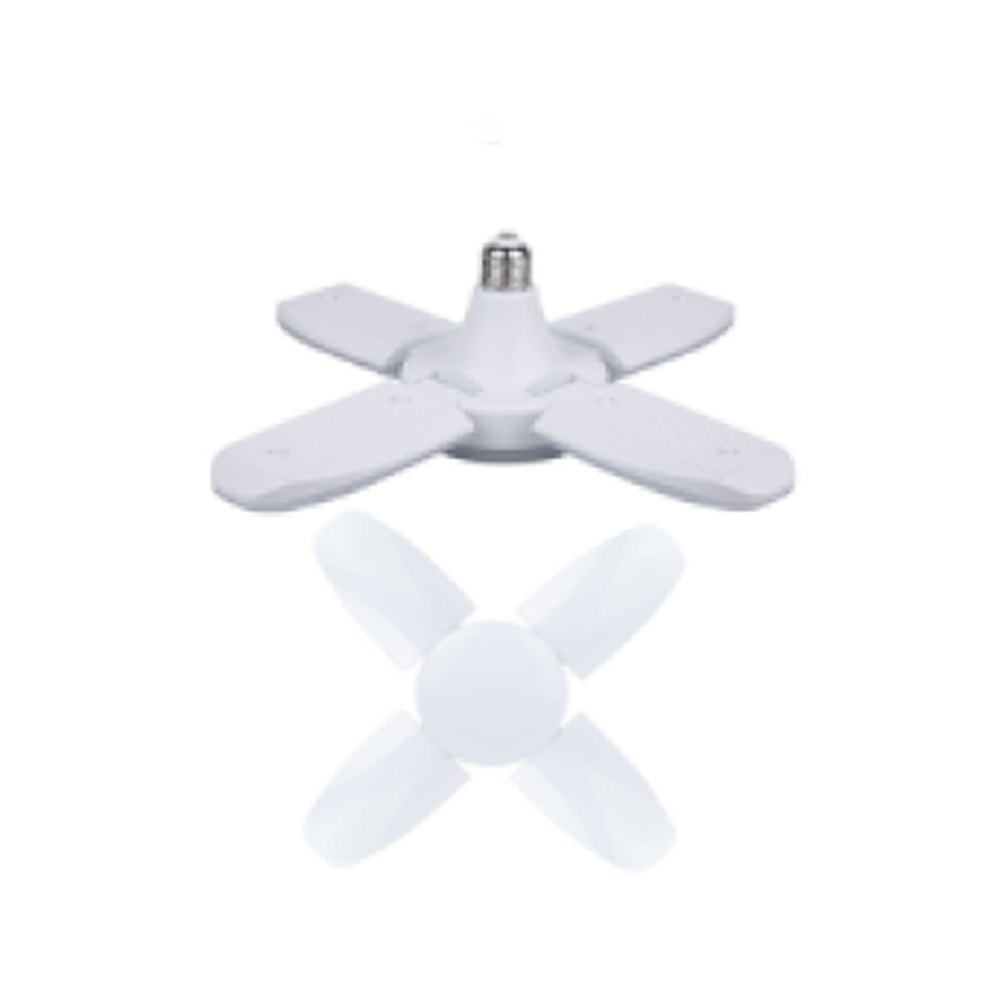
For large storage spaces, Zaferoğlu Elektrik produces powerful cylindrical T-shaped lamps and a folding lamp with opening wings. When choosing a model for a warehouse's height and conditions, the product details can be checked in the catalogue.
All news