
Shop lighting: presenting products in the right light
In a shop, light guides the customer, shows the true colour of goods and makes shelves inviting. How to combine general, accent and shelf lighting.
The same shirt can look rich and expensive in one shop and flat and ordinary in the shop next door. Often the difference lies not in the product but in the light falling on it. Retail lighting is not only about making the sales floor visible; it steers the customer's attention and shows the goods in their real colours.
Three layers: general, accent and shelf lighting
Good shop lighting usually has three parts.
General lighting lets people move around comfortably, read price labels and feel safe. It should be even but not excessive; otherwise the highlighted areas no longer stand out.
Accent lighting uses directional spots to pick out a new collection, a sale table, a mannequin or a brand wall. In practice, when the featured object is lit several times brighter than its surroundings, the eye goes to it by itself. Without contrast, a spotlight is just more general light.
Shelf lighting opens up deep shelves and display cabinets. Ceiling light casts the shadow of the top shelf onto the ones below; small linear fittings or LED strips along the shelf edge solve that.
Light colour to suit the product
Colour temperature should support the character of the goods. Some guidelines:
- clothing and footwear: 3000K–4000K; warmer light flatters leather and natural fabrics, neutral light shows colours more accurately for sportswear and everyday clothing;
- electronics and appliances: 4000K, which feels clean and technical;
- furniture and home textiles: 2700K–3000K, close to the atmosphere of a home;
- cosmetics: neutral light with high colour rendering, because the customer will also see the shade at home and in daylight.
Colour rendering matters more in a shop than in an office. Light with Ra 90 or above shows reds, beiges and skin tones naturally; under a lower index the same fabric can look grey and faded. The result is a customer who opens the bag at home, decides the colour is wrong and brings it back.
In a shop with a mixed range, the whole floor does not have to share one colour temperature, but transitions should make sense. A home textiles section might use warmer light and an appliance section neutral light; in that case the sections should be visually separated by shelving, a partition or a change of flooring, so customers do not see the boundary between two tones in the middle of the floor.
Choosing and aiming spotlights
For accents, spots with adjustable heads, especially on a track system, are the most flexible: when the display changes, the fittings can be repositioned without calling an electrician. Beam angle is part of the choice as well. A narrow beam isolates a single object, a wide one covers a whole shelf or table.
Pay attention to aiming. A spot should point at the product, not into the customer's eyes. Lighting a mannequin from above at roughly 30 degrees shows its shape without dazzling people walking down the aisle. Near mirrors, position spots so that their reflection is not visible in the glass.
Heat, savings and upkeep
Older shops still have halogen spots. They render colour well but give off a lot of heat, which is unwelcome for chocolate, cosmetics and fabric displays and adds load to the air conditioning in summer. LED spots deliver the same light with much less heat.
Shop lighting runs all day, so the main saving comes from control as well as efficient lamps: sensors in stockrooms and fitting rooms, a timer for the window, and only security lighting after closing.
Maintenance affects the result too. A dusty reflector or one failed spot breaks up the accent and leaves a gap on the shelf. Walking the floor once a month purely to check the lighting, noting dead or knocked-out-of-line fittings, is a simple habit that pays off.
Typical mistakes
- Making everything equally bright, so the floor looks flat and tiring.
- Weak light over the till, which is uncomfortable for staff and customers.
- Only overhead light in fitting rooms, creating harsh shadows on the face so customers do not like what they see in the mirror.
- A random mix of lamps with different colour temperatures.
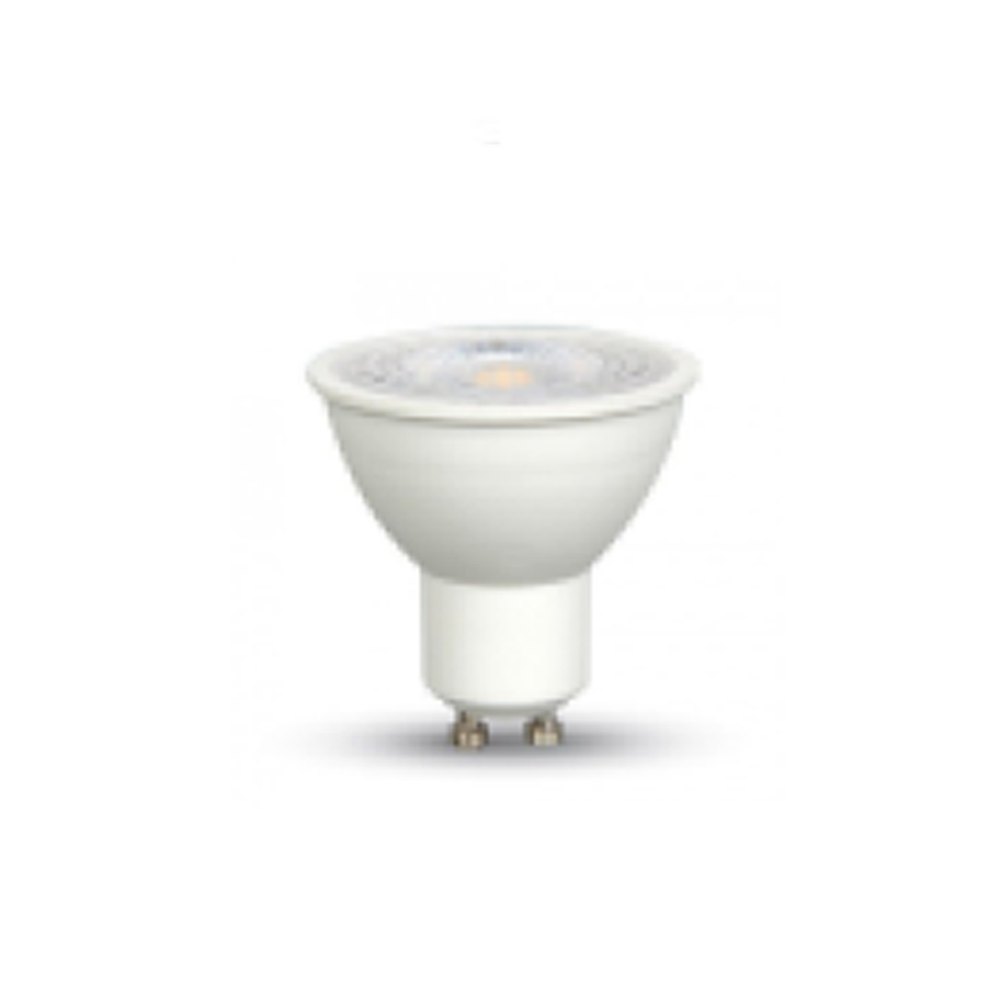
Shelf and display accents in a shop can come from Zəfər İşığı GU10 or G5.3 lamps, or from the 3D spot whose head swivels. The types a shop project needs can be filtered in the catalogue and a quotation requested.
All news