
Street-facing shop windows: lighting by day and by night
By day a shop window competes with the sun; at night it becomes the brightest spot on a dark street. How to set up and control light for both situations.
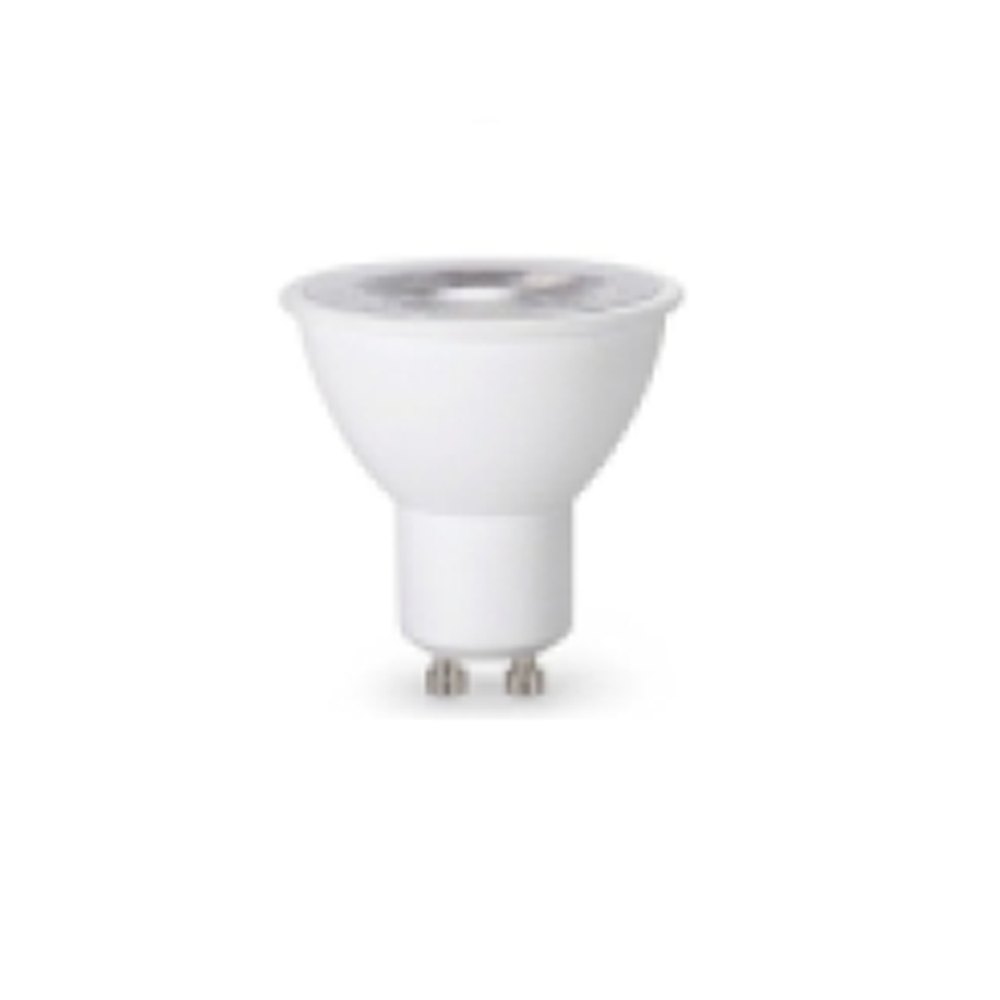
A shop window facing the street has to work in two very different conditions. In daylight, the goods behind the glass compete with the bright outdoors and often disappear, because passers-by see the reflection of the street rather than the display. In the evening the situation reverses: the window becomes the brightest thing around, and too much light can look harsh rather than inviting.
Daytime: fighting reflections
Reflections in the glass have a simple cause: the street is brighter than the inside of the window. You cannot remove them completely, but you can reduce them.
- Raise the light level inside the window during the day. For windows on the sunny side, a separate, stronger daytime setting is useful.
- Aim the light at the products, not the back wall. A brightly lit item on a darker background stands out against the reflection.
- Avoid a very pale back wall; it spreads the internal light around but lowers the contrast of the goods.
- Where possible, use an awning or canopy for the hours when the sun hits the glass directly: shade weakens the reflection considerably.
This approach increases daytime consumption, so it makes sense to limit the daytime setting to the hours when glare is actually a problem.
The simplest way to check reflections is to go outside and look at the window at different times of day, from a pedestrian's eye level and from across the pavement. A few phone photos show clearly at which hours the products disappear. That observation is the most reliable basis for deciding when the daytime setting should switch on and off.
Night-time: less light, better aimed
In the dark the eye adapts quickly, and far less light than during the day is enough to make a window look bright. Reducing the general light at night and highlighting only the key products looks more refined and saves energy.
The other side of night lighting is the neighbours. Harsh light spilling onto the street and into the windows of the building opposite causes complaints. Aiming spots downwards at the goods and making sure bare lamps are not visible straight through the glass solves most of this.
Colour, heat and sunlight
The colour of the window lighting should match the lighting inside the shop, so that someone who looks in from the street does not meet a different tone when they walk through the door. For food, clothing and jewellery windows, high colour rendering is especially important.
A shop window is an enclosed volume, and on the sunny side it gets very hot in summer. The extra heat from halogen lamps can damage both the goods and the plastic and fabric props behind the glass. LED spots give off much less heat, but they also have to work in that heat, so ventilation of the driver and fitting should be considered. The sun's ultraviolet fades fabrics regardless of the lamps, so items that stay in the window for a long time should be rotated.
If the window contains mannequins, glossy packaging or glass shelves, position the spots with those in mind. A spot reflected in a shiny surface turns into a small dazzling point that draws more attention than the product. Moving the light slightly to one side or using props with a matt finish is usually enough.
Controls: timers, photocells and scenes
Operating window lighting by hand is impractical: someone forgets, and the lights burn at full power all night, or they are not switched on in time in the evening. Simple and reliable arrangements include:
- a photocell that switches on the night setting when it gets dark;
- an astronomical timer that works out sunset and sunrise from the calendar and, unlike a photocell, is not affected by dirt;
- a second circuit that keeps only a few accent spots on after midnight;
- a separate switch or timer for the daytime boost.
Splitting the lighting into circuits at the design stage is far easier than running cables afterwards.
Maintenance and local rules
The inside of the window glass collects dust too, which makes night lighting look hazy. When the glass is cleaned, wipe the fittings and check where they point: as displays change, spots often keep aiming at the old position.
Some cities have local requirements for façade and window lighting, especially for advertising and dynamic light. Checking with the building management or the relevant authority before a major change avoids unnecessary costs.
The Zaferoğlu Elektrik factory in Ganja opened in 2021. Its catalogue shows spot lamps and an adjustable 3D spot suited to shop windows; help choosing a model is available via the website form.
All news