
Bulb warranties: what they cover and what they do not
A bulb warranty covers manufacturing defects, not every failure. Which cases are usually included, which are not, and what to keep for a claim.
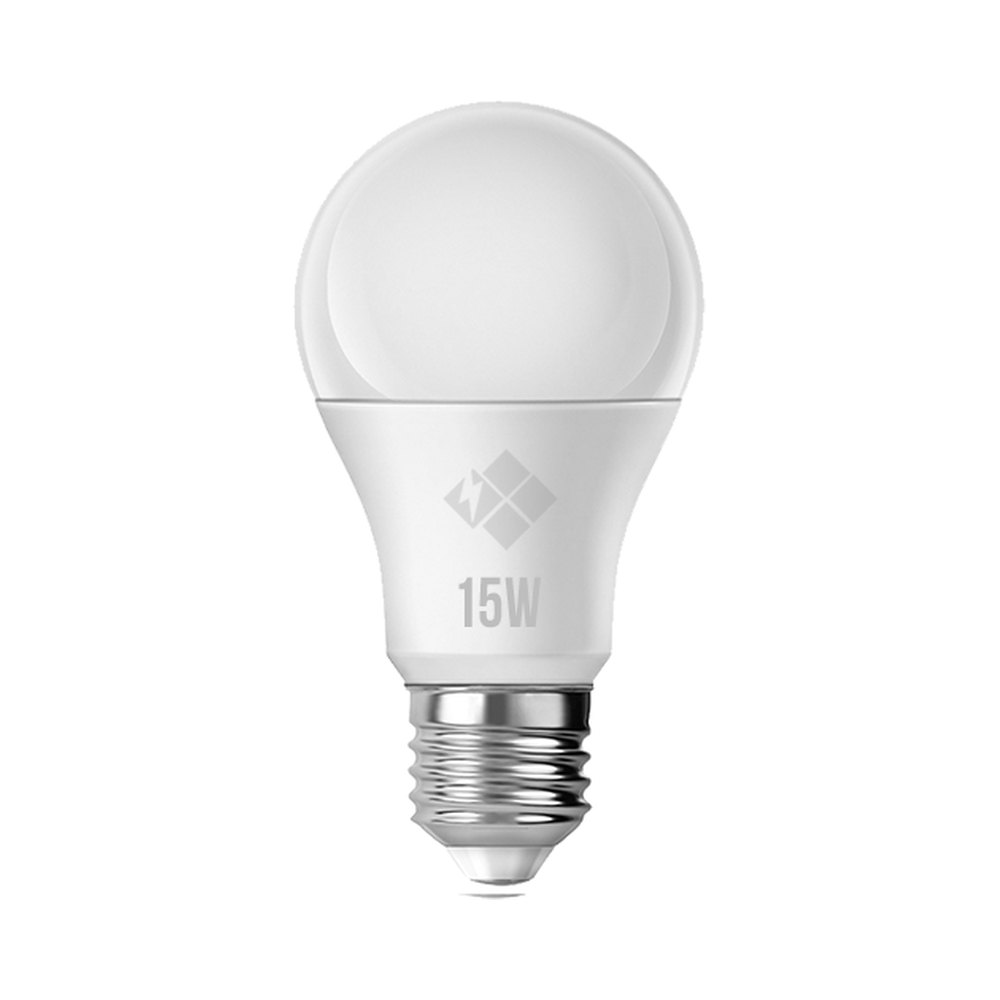
When a bulb fails early, the first question is usually "can I get it replaced?" The answer depends on the warranty terms, which most buyers only read once the bulb has already died. Knowing in advance what a warranty covers helps avoid pointless disputes and makes it easier to use the bulb in a way that keeps the warranty valid.
What a warranty is for
A warranty is a commitment by the manufacturer or seller that the product will not show a manufacturing defect for a set period, provided it is used correctly. The two key phrases are "manufacturing defect" and "correct use". In other words, a warranty answers for a fault inside the bulb, not for outside influences.
Cases usually considered under warranty include:
- the bulb does not light at all, or goes out completely after a short time;
- persistent flicker or blinking under normal conditions;
- some of the chips not lighting;
- the cap or cover coming loose on its own, without any impact;
- a clear mismatch with the stated specification (for example, a different cap from the one shown on the box).
What is usually not covered
If the fault stems from how the bulb was used, the warranty often does not apply:
- Mechanical damage. A broken cover, crushed body, signs of a fall.
- Unsuitable voltage and mains problems. Unstable voltage, surges, incorrect wiring.
- Use with a dimmer. Connecting a bulb not marked as dimmable to a dimmer causes flicker and failure.
- Moisture and water. Using a bulb not rated for damp conditions on a balcony, in a bathroom or outdoors without a protective fitting.
- Excessive heat. Running a bulb in an enclosed shade when it is not approved for enclosed use.
- Dismantling or attempted repair. Opening the bulb or tampering with the wiring.
- Normal ageing. A gradual fall in light output or a yellowed cover after long use is not usually regarded as a defect.
This list is general. The actual terms depend on the manufacturer and seller, so what is stated on the box and warranty card is what counts.
Rated life is not a warranty
Boxes state a bulb's rated life in hours, and that number is often confused with the warranty period. They are different things. Rated life is an average determined under laboratory conditions: it describes after how long a certain share of a sample of bulbs falls to a given light level or fails. It is not a promise that each individual bulb will last that long. A warranty is a legal commitment, and its period is stated separately. A bulb can have a long rated life and a shorter warranty period; there is no contradiction in that.
What to keep for a claim
A warranty claim usually requires:
1. The receipt or invoice, confirming the date and place of purchase.
2. The box or its batch information, or at least a photo of it.
3. The bulb itself, which should not be thrown away even though it no longer works.
4. A short description of the fault: when it started, in which fitting, and whether it ran on a switch or a dimmer.
For projects that buy many bulbs, a simple table recording which bulb was installed where and when makes things much easier.
For bulk purchases it is wise to settle the warranty terms in advance in a contract or written agreement: how failed bulbs will be collected and returned, how quickly replacements will be supplied, and who confirms a defect and how. Bear in mind too that a warranty usually covers the bulb itself; unless agreed separately, it does not include the labour cost of removing and refitting bulbs on a high ceiling or a building facade.
How to make a claim
The first port of call is normally the seller you bought the bulb from. The seller may resolve the issue directly or refer it to the manufacturer. In Azerbaijan, consumer rights are governed by the Law on the Protection of Consumer Rights, which can be referred to in disputed cases.
A simple check before you claim is also useful: try the bulb in another lampholder that you know works. Sometimes the problem is not the bulb but a lampholder contact, the switch or the dimmer. That saves you time and avoids an unnecessary claim.
Warranty terms and the claims procedure for Zəfər İşığı lamps should be confirmed with Zaferoğlu Elektrik or with the outlet where you bought the lamp; the company's contact details are listed on its website.
All news