
Spare bulbs: how many to keep and how to store them
Spare bulbs should be to hand when you need them, not piling up in a cupboard for years. How to work out the right number and store them properly.
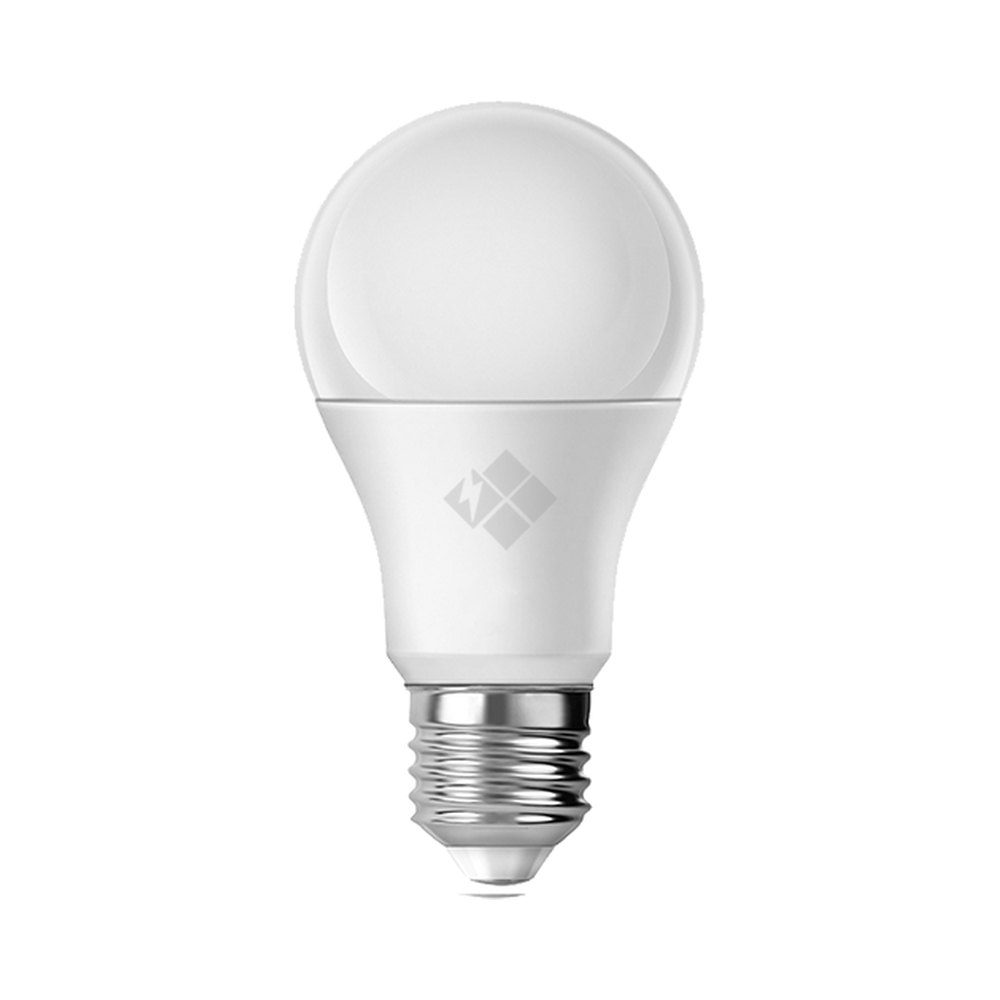
The stair light going out in the evening with no suitable bulb in the house is a small but irritating situation. On the other hand, buying a few bulbs "just in case" every time and pushing them to the back of a cupboard ends, years later, in a pile of boxes with unknown caps that fit none of your fittings. A sensible stock of spares sits between these two extremes: not too few, not too many, and easy to find when needed.
Start with a list of the bulbs you have
To set the number of spares on facts rather than guesswork, it is enough to list the bulbs in your home or building once. For each fitting, note:
- which base it has, for example E27 or GU10;
- the bulb shape and approximate size, especially for enclosed shades;
- wattage and colour temperature;
- how many bulbs that fitting holds;
- whether it is connected to a dimmer.
A list like this usually shows that there are fewer bulb types in the house than you thought: two or three main caps and a few special cases. Spares should be planned by those groups, not separately for every fitting.
How many spares make sense
There is no universal number, but a few criteria help you decide:
1. Number of identical bulbs. If the house has many bulbs of the same model, keeping one or two spares from the same batch helps preserve colour consistency across a room when one fails. For a rare cap used in a single place, one spare is enough.
2. How much a failure matters. In places such as stairs, entrances, bathrooms and children's rooms, a missing light is a safety issue rather than a mere inconvenience. Bulbs in these spots should always have a spare.
3. How easy they are to find. A standard E27 bulb is easy to get at a nearby shop; a special shape or unusual cap is not. Spares matter more for the rare ones.
4. How hard they are to change. If you would rather not keep climbing to a high ceiling or getting out a ladder, replace all the bulbs at once and keep spares from the same batch.
Keeping a very large stock serves no purpose. LED bulbs last a long time, while technology and models change. In electronics left unused for many years, components such as electrolytic capacitors can change condition. And a few years on, a more suitable bulb may well be available. The stock of spares should cover real needs, not become a warehouse.
Keeping batches together
Even bulbs of the same model can differ slightly in tint and brightness from one batch to another. Replacing one bulb in a room with one from a different batch can make the difference noticeable. To avoid this:
- buy the spares at the same time as the bulbs for the room;
- write on the spare's box which room it is meant for;
- keep the batch information on the box, and do not throw the box away.
How to store them
LED bulbs need no special storage conditions, but a few simple rules keep them in good shape:
- A dry place. A damp basement, a bathroom cabinet or a balcony storeroom can corrode the metal cap and harm the electronics. A dry cupboard at room temperature is best.
- Temperature. A sunny windowsill, a spot next to a radiator or a storeroom that freezes in winter are all unsuitable.
- The original box. It protects the bulb from knocks and carries all the information you need.
- Nothing heavy on top. Storing boxes under heavy items can squeeze the cover; this matters most for glass filament bulbs.
- One place for all of them. When all spare bulbs are in one box or on one shelf, there is no hunting around.
If the box is lost, wrap the bulb in something soft, put it in a small box and write the cap, wattage and colour temperature on it. An unlabelled, unboxed bulb is the one most likely to be thrown out a few years later.
Test a new spare
It is a good idea to switch a spare on once as soon as you buy it. That confirms it works and lets you spot a problem while a return is still possible. After testing, put it back in its box. At the same time, update your list of spares: what has been used, what is left, what needs buying.
A short note for buildings and businesses
In offices, shops or the common areas of residential buildings, managing spares needs simple records: a minimum quantity to keep for each bulb type, where the spares are kept and who replaces them. When stock reaches the minimum, new bulbs are bought. This prevents both random mismatched bulbs being fitted and unnecessary stockpiling.
When stocking up, you can pick Zəfər İşığı LED spares to match the bases in your home — E27, E14, GU10, G5.3 and others. Keep the spares list next to the spares box and update it whenever a bulb is used.
All news