
Wardrobe and dressing-room lighting that shows true colours
Mixing up navy and black socks, or two similar shirts, is often the lighting’s fault. Colour rendering, colour temperature and placement for wardrobe lighting.
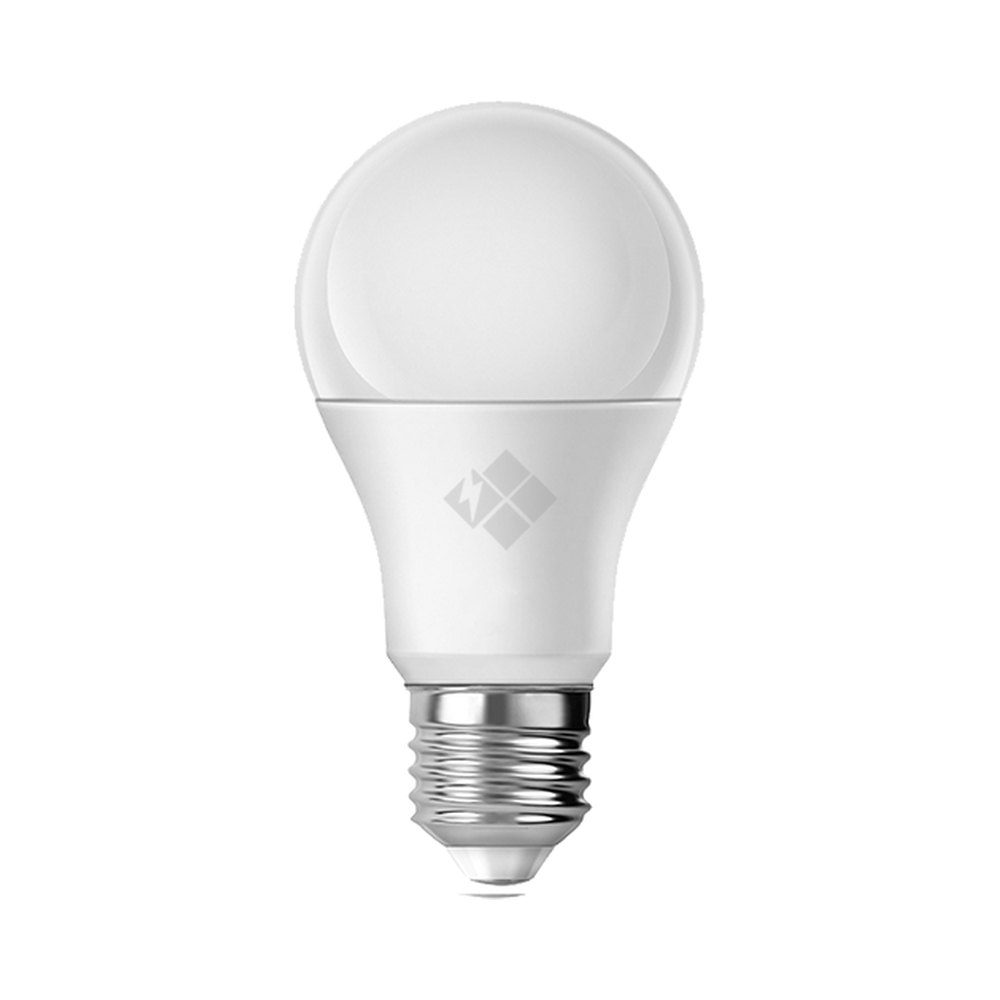
You dress in a hurry in the morning, and by midday in daylight you notice the trousers are navy and the jacket is black. The cause is often not carelessness but the wardrobe lighting. Where clothes are chosen, light has a job beyond letting you see: it has to show colours and textures accurately. For that, other characteristics matter more than wattage.
Colour rendering index: the key figure
How accurately a lamp shows colours is expressed by its colour rendering index (CRI, often shown as Ra on packaging). The maximum is 100; sunlight and incandescent bulbs come close to it. The lower the index, the more some colours look dull, similar to each other or distorted.
Most ordinary household LED bulbs have an index around 80, which is fine for general lighting. For a wardrobe, a mirror area or anywhere clothes are chosen, an index of 90 or higher is recommended. The difference is most visible with dark colours such as black, navy and dark brown, and with reds.
If the packaging does not state the index, it is hard to know in advance how a lamp will render colours. Where colour choice matters, prefer products that state it clearly. Using the same lamp model throughout the wardrobe matters too; otherwise clothes on one shelf can look a different shade from those on the next.
Colour temperature: go neutral
Very warm light in a dressing area pulls colours towards yellow: a white shirt can look cream, and blue can look greenish. Very cool light makes skin tones look pale and flat. Between those extremes, neutral white light of around 3500–4000K gives the most balanced result for choosing clothes. It is close enough to daylight without making the room feel cold.
If the dressing area is part of a bedroom lit with warm light, you can set up two separate groups: warm general light for the bedroom and neutral light for the wardrobe and mirror on its own switch.
Where to put the light
The most common wardrobe mistake is relying on a single ceiling light. A light in the middle of the ceiling ends up behind you: when you open the wardrobe door, your own shadow falls across the shelves and hanging clothes stay dark. For better results:
- Light from in front of the wardrobe. A fitting or spot placed between you and the wardrobe, aimed at the shelves.
- Light inside the wardrobe. A linear light above the hanging rail or along the front edge of shelves lights clothes from within. These often switch on with a door sensor.
- Shelves and drawers. A small sensor light in deep drawers makes finding things easier.
Position light sources so they are not directly visible, because glare makes colours harder to judge.
Mirror lighting
To see yourself accurately in a mirror, light should reach your face from the front and the sides. A single overhead source leaves the face shadowed below the brows, nose and chin. Vertical lights on both sides of the mirror, or lighting along its edge, illuminate the face evenly.
With a full-length mirror, light should cover your whole height so you can judge an outfit as a whole. General light in front of the mirror helps here too.
Heat and safety
When fitting lights inside a closed wardrobe, pay attention to heat. Incandescent and halogen lamps get hot close to clothes and can damage fabric. LED lights give off far less heat, but inside a wardrobe they still should not press against fabric and should be mounted where there is some airflow.
Battery-powered and low-voltage systems are common for in-wardrobe lighting. Leave the installation of mains-powered fittings inside furniture to an electrician.
A quick test
Once the new lighting is in, try a simple test. Put navy and black, white and cream, and two similar greys side by side and try to tell them apart under the wardrobe light. Then look at the same items by a window in daylight. If the difference is small, the lighting is right.
The Zəfər İşığı catalogue lists colour temperature separately for each lamp. Before settling on neutral white for a dressing area, try a few kelvin settings in this site's simulator.
All news