
LED binning: how makers get matching colour and brightness
LEDs from the same production run still differ. Sorting chips by colour, brightness and voltage is how manufacturers keep that spread under control.
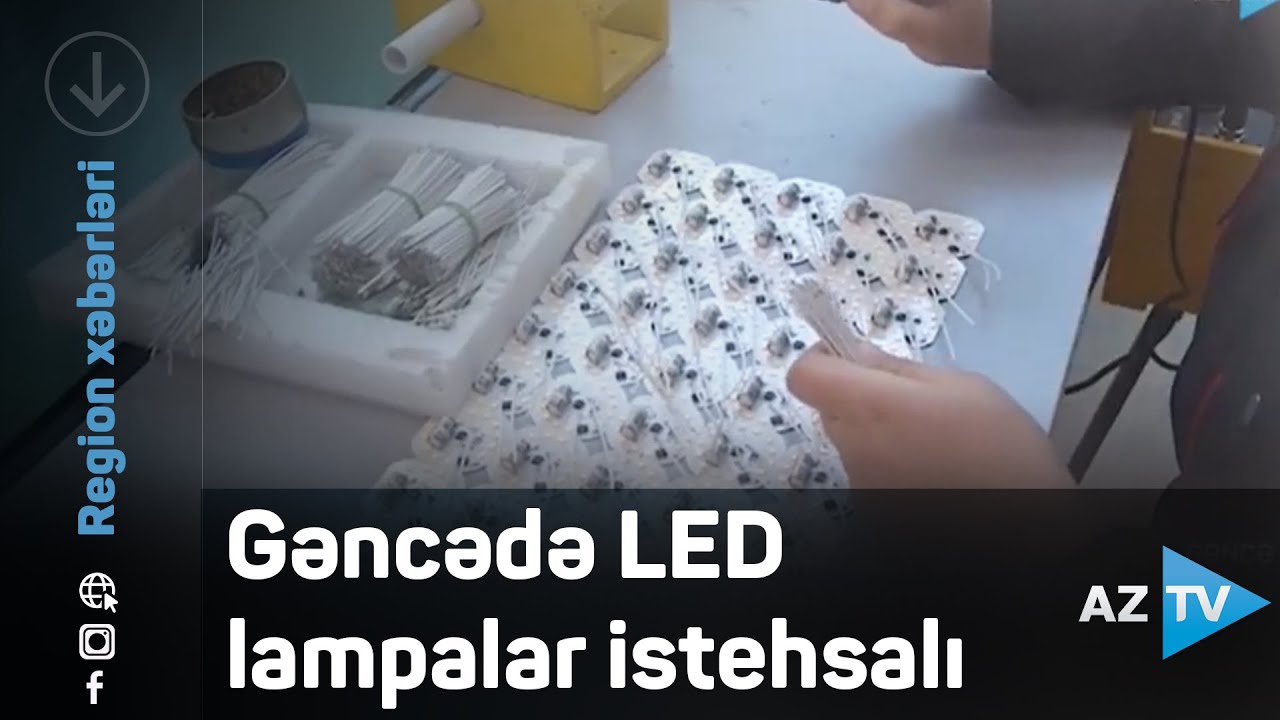
If you have ever switched on two LED bulbs of the same model in one room and noticed that one looks slightly pink and the other a little green, the cause is often not the lamp as such but how the chips inside it were selected. However precise the technology, chips from the same wafer are never completely identical. Manufacturers cannot remove this natural variation, but they manage it by sorting, a process known as binning.
Where the variation comes from
LED crystals are made by growing thin semiconductor layers on a large round wafer. The thickness and composition of those layers differ slightly between the centre and the edge of the wafer. A phosphor layer is then applied over the crystals, and the amount can never be exactly the same on every chip.
As a result, chips from one production run spread out on three main parameters:
- Colour — the exact tint of the white light, expressed as colour coordinates;
- Luminous flux — how much light the chip gives at a given current;
- Forward voltage — the voltage the chip needs in order to operate.
How sorting is done
Finished chips pass through an automatic test-and-sort machine. Each chip is briefly lit at a set current, its colour, brightness and voltage are measured, and it is dropped into the bin that matches those readings. Each bin is loaded onto its own reel, and the reel label carries the bin code.
Colour bins are defined as small areas on the chromaticity diagram for white light. The ANSI C78.377 standard, for example, sets out such areas for different nominal colour temperatures, and chip makers subdivide them into smaller bins. The smaller the area, the closer the chips within a bin are to each other.
Test conditions matter as well. A chip is measured with a short pulse, practically cold, whereas inside a lamp it runs considerably hotter. As temperature rises, luminous flux falls and the colour shifts slightly. For this reason some chip makers also bin according to values measured at an elevated temperature. For a lamp maker, that gives a better idea of how a bin on paper will look under real operating conditions.
How a lamp maker chooses a bin
When an LED lamp factory orders chips, it does not simply write "4000 K"; it specifies particular colour and brightness bins. That involves a trade-off:
- A tight bin gives better colour consistency, but those chips are available in smaller quantities and usually cost more.
- A wide bin, or several neighbouring bins, makes supply easier but raises the chance of lamp-to-lamp differences.
The brightness bin also affects light output. With chips from a brighter bin, the same amount of light can be reached with fewer chips or at a lower current. The voltage bin feeds into driver design: the combined voltage of the chips wired in series has to sit within the driver's operating range.
Mixed bins inside one lamp
Good practice is to use chips from a single colour bin on any one board. When bins are mixed, the difference may not show on the bulb itself, because a frosted cover blends the light. In clear bulbs, or fittings where the individual chips are visible, the different tints of separate points become noticeable. There is another risk: if a new reel loaded onto the line comes from a different bin, a colour shift can begin halfway through a batch. That is why checking reel labels against the order during incoming inspection is such an important step.
Practical takeaways for buyers
Technical binning data is rarely printed on the box, but its effects are easy to see at home or on site. A few simple habits reduce the difference:
1. Buy the bulbs for one room or one fitting at the same time and of the same model.
2. Where possible, check that the batch numbers on the boxes match.
3. For a large project, ask the supplier to deliver the whole quantity from a single batch.
4. Take a few spares with the first purchase, so a later replacement does not stand out.
5. If colour matching matters to you, light the bulbs side by side before installing them.
It is also worth knowing that a slight difference in tint between two working bulbs from different batches is not treated as a fault: if both fall within the stated colour temperature, it is simply a natural result of binning. That is why planning the purchase in advance is easier than trying to fix a mismatch later.
Zəfər İşığı lamps are assembled in Ganja. When planning supply from a single batch for a large project, it helps to state the quantity in advance through the request form on the company's website.
All news